
Listeners:
Top listeners:
 play_arrow
 Cosoro Afrobeats UK's #1 Afrobeats Radio Station
 play_arrow
 Cosoro Pidgin Na we bi di #1 UK Pidgin Radio
 play_arrow
 Cosoro Evergreen UK's #1 Radio for Timeless African Sounds


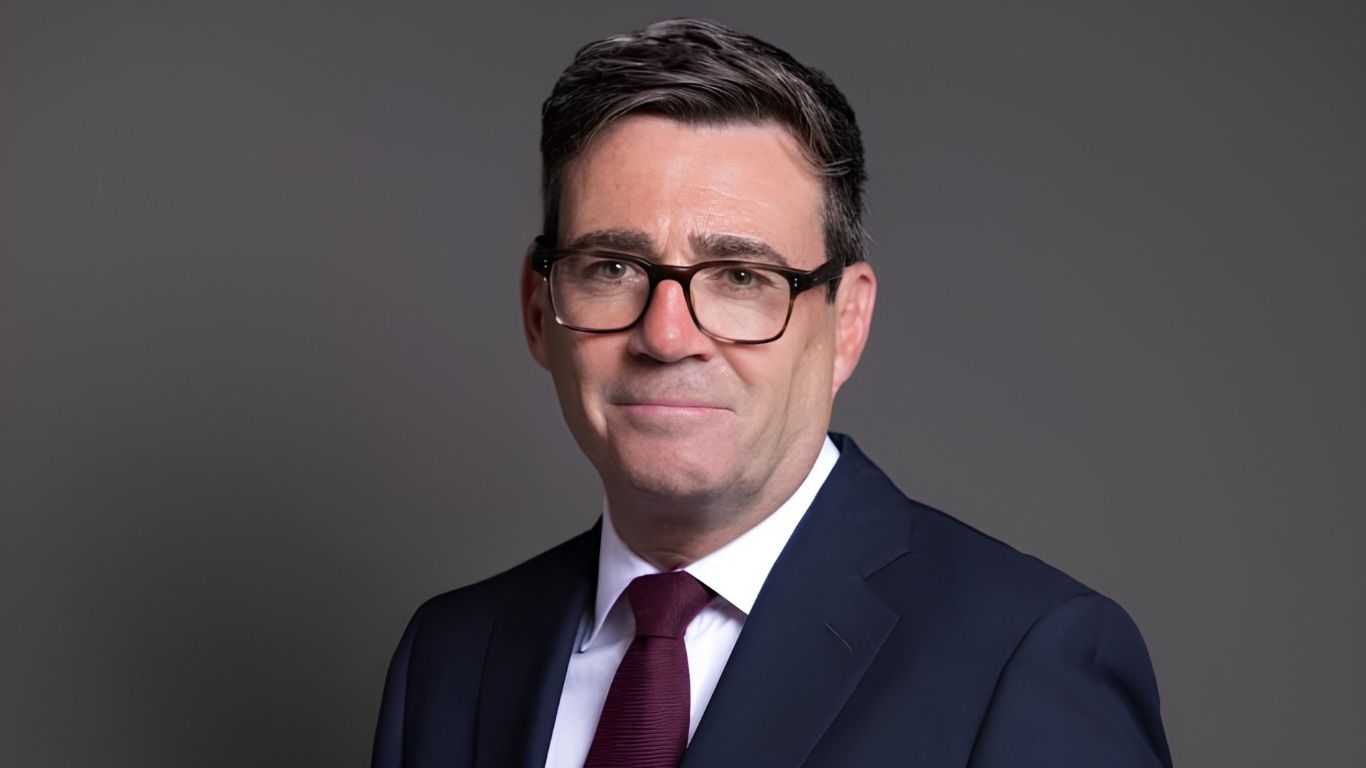
British Prime Minister Andy Burnham has faced criticism from Conservative politicians after stating that Russia interfered in the 2016 Brexit referendum, reigniting debate over foreign influence in British politics and the country’s future relationship with the European Union.
Burnham made the disclosure during an interview on The Rest Is Politics podcast, saying he sought clarification about Russian involvement when he entered Downing Street and received a clear answer that interference had occurred. However, he did not disclose the evidence behind that assessment or claim that Russian activity changed the referendum result.
The prime minister’s remarks have drawn a strong response from the Conservative Party. Andrew Bowie, the party’s shadow energy secretary, argued that raising the issue in this way was “dangerous and divisive”, insisting that the referendum was legitimate and that British voters had turned out in record numbers to decide whether the UK should leave the EU.
The debate comes against the background of a 2020 report by Parliament’s Intelligence and Security Committee, which criticised the government for failing to conduct a full assessment of possible Russian interference in the referendum. The committee also highlighted concerns about Russian state-backed media and social media accounts attempting to influence British political debate.
Previous governments maintained that there was no evidence of successful Russian interference in the referendum. Foreign Office minister Stephen Doughty reiterated that position, saying Russia had attempted to interfere in British democratic processes but had not succeeded. The distinction between attempts to interfere and evidence that those attempts affected the result remains central to the debate. The controversy over Russian interference comes as Burnham prepares to urge MPs to reconsider Britain’s relationship with the European Union.
In a statement to Parliament following the recess, the prime minister is expected to argue that Brexit has caused more harm than good and that closer cooperation with the EU could help strengthen economic growth, reduce trade barriers and improve cooperation on immigration.
Burnham has called for a more pragmatic assessment of the UK’s long term relationship with Europe, leaving open the possibility of options ranging from closer economic cooperation to eventual EU membership. His position marks a shift from the approach of his predecessor, Keir Starmer, who ruled out rejoining the single market and customs union.
The issue remains politically sensitive. Some Labour MPs and Conservative politicians fear reopening the Brexit debate could revive divisions that have shaped British politics for a decade. Others argue that the government should examine whether a closer relationship with Europe could bring economic and practical benefits.
Burnham’s comments have therefore placed two major questions back at the centre of British politics: how openly the country should address alleged foreign interference in its democratic processes, and what kind of relationship it should seek with Europe after Brexit.
While the prime minister has confirmed that Russia attempted to interfere, the available public information does not establish that the intervention determined the referendum outcome. The wider debate over Brexit’s economic consequences and Britain’s future ties with the EU is expected to continue in Parliament.