
Listeners:
Top listeners:
 play_arrow
 Cosoro Afrobeats UK's #1 Afrobeats Radio Station
 play_arrow
 Cosoro Pidgin Na we bi di #1 UK Pidgin Radio
 play_arrow
 Cosoro Evergreen UK's #1 Radio for Timeless African Sounds


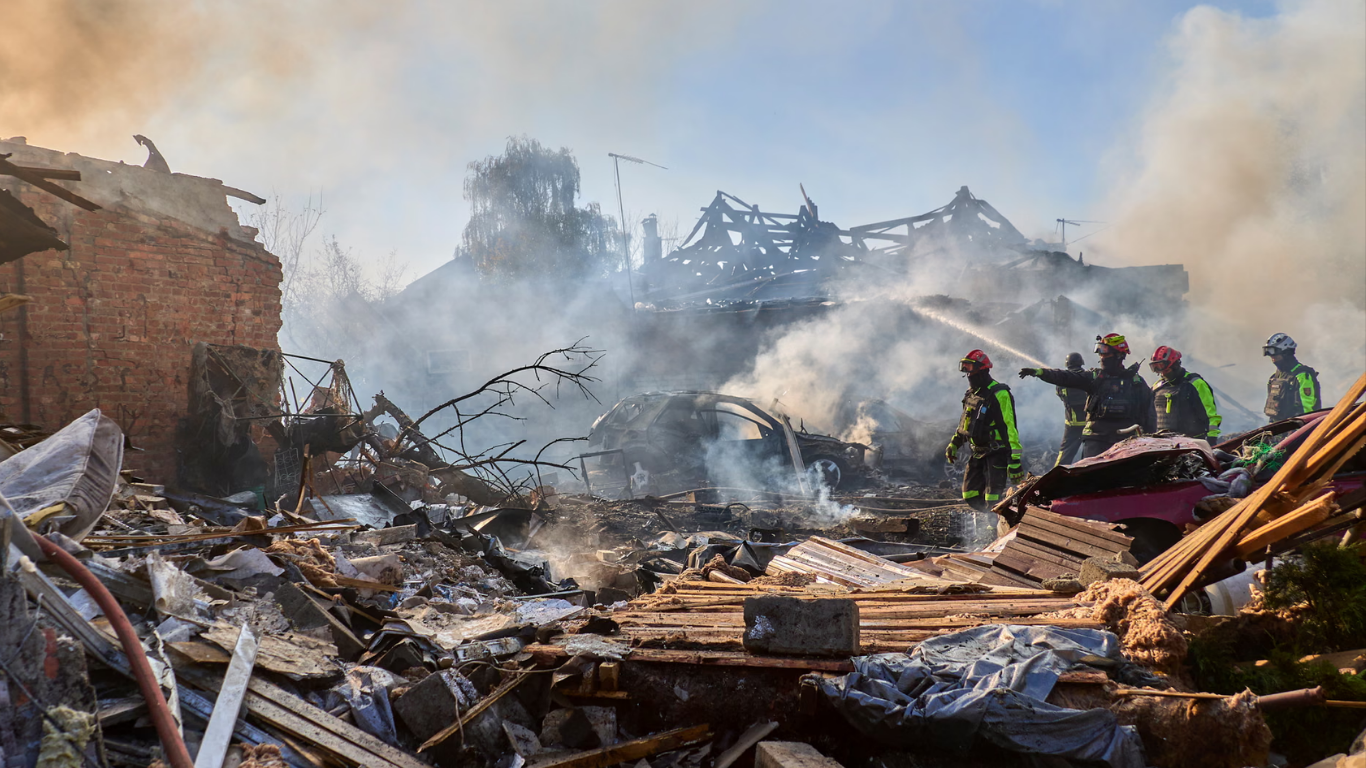
Image Credit: EPA
US President Donald Trump has announced an immediate energy ceasefire between Russia and Ukraine, seeking to halt attacks on power plants and other energy infrastructure. However, Ukrainian officials say Russian strikes continued after the announcement, raising doubts about whether the agreement exists in practice and whether Moscow is prepared to honour it.
Trump announced the proposed truce on Truth Social on Sunday, October 11, declaring that both countries had agreed to stop attacking energy targets. He provided few details about the arrangement, and Russia had not publicly confirmed its participation by Monday. Ukrainian President Volodymyr Zelenskyy said he welcomed the initiative but stressed that Ukraine would stop striking Russian energy facilities only if Moscow did the same.
The announcement was quickly overshadowed by reports of further attacks. Zelenskyy said Russian strikes hit energy facilities in Kyiv and Kharkiv, including a power plant in the northeastern city. Ukrainian officials also reported civilian casualties from Russian attacks. The continued bombardment has raised concerns about the credibility of the proposed truce, particularly as Ukraine prepares for another period of heightened energy demand during the colder months.
The dispute comes amid growing tensions between Washington and Kyiv over Ukraine’s attacks on Russian oil refineries. Trump has urged Ukraine to stop targeting Russian energy infrastructure and announced a controversial deal involving Russian diesel supplies, temporarily lifting sanctions on Russian diesel exports. Zelenskyy has criticised the move, arguing that additional energy revenue could help finance Russia’s war effort. The decisions have also alarmed European allies concerned that easing pressure on Moscow could undermine Ukraine’s position.
European officials have responded cautiously. EU foreign policy chief Kaja Kallas said the bloc would welcome a ceasefire when it holds, but stressed that there was not yet evidence Russia would comply. NATO officials are also continuing discussions on European security and the alliance’s ability to deter further Russian aggression.
The latest initiative highlights the difficulty of securing even a limited truce after more than four years of war. A halt to attacks on energy infrastructure could protect civilians and reduce pressure on electricity and heating systems, but its success will depend on clear terms, reciprocal commitments and credible enforcement. Until both sides confirm and observe the arrangement, Trump’s announcement remains an uncertain step towards de-escalation rather than evidence of a functioning ceasefire.