
Listeners:
Top listeners:
 play_arrow
 Cosoro Afrobeats UK's No.1 Afrobeats Radio Station
 play_arrow
 Cosoro Pidgin Na we bi di No.1 UK Pidgin Radio
 play_arrow
 Cosoro Evergreen UK's No.1 Radio for Timeless African Sounds


School dinners in England are heading for one of their biggest changes in more than a decade, with deep fried food set to disappear from menus and schools facing tighter limits on sugary desserts, pizza, processed meat and other high fat foods. The government says the overhaul is aimed at tackling childhood obesity and tooth decay while giving pupils healthier meals that can support their learning and long term health.
The new rules are expected to take effect from September 2027, following the government’s review of school food standards. Most of the changes will apply to primary and secondary schools from that date, although some requirements for secondary schools, including restrictions on sweetened baked products and desserts, will be phased in from September 2028.
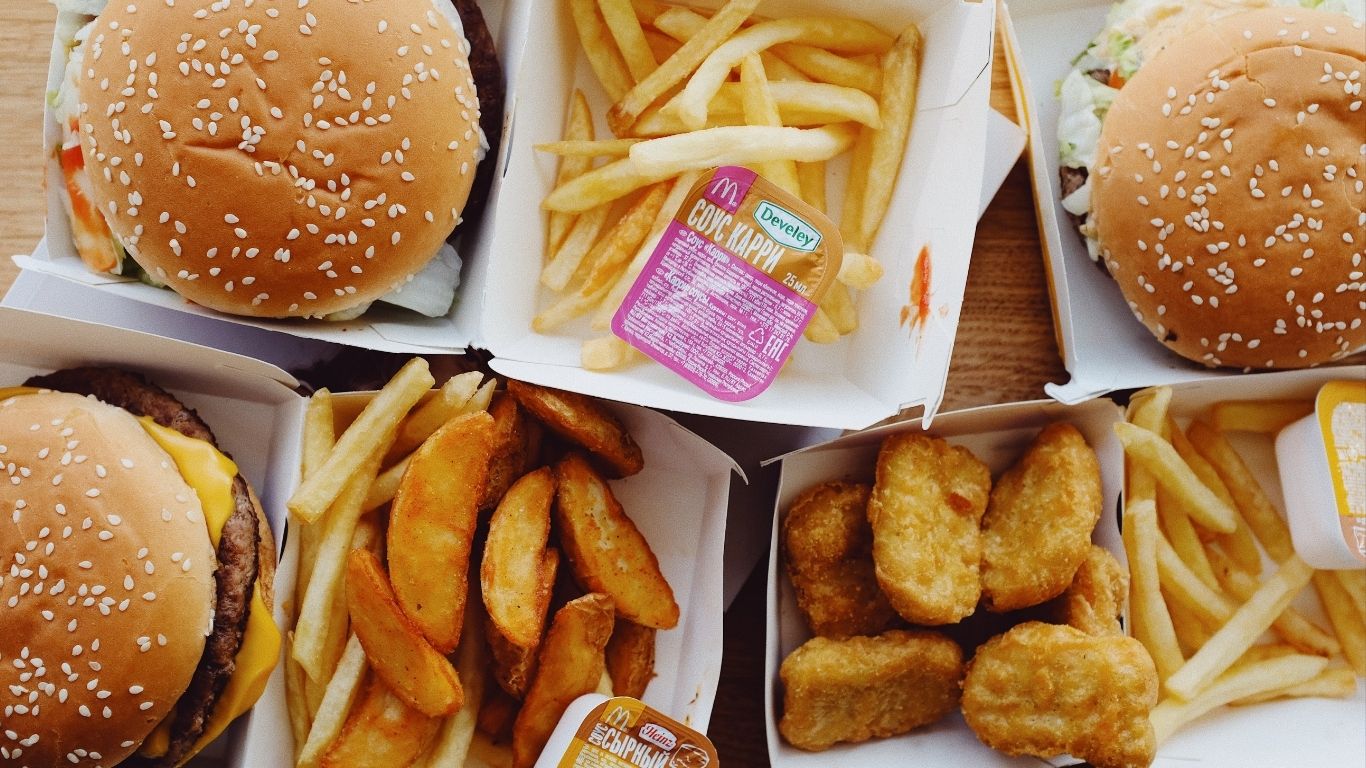
Under the new standards, deepvfried foods will no longer be served. Popular options such as fried chips and other battered or breadcrumb coated foods will be removed, replacing the current system which allows schools to serve up to two portions of such food each week.
Desserts will also face significant restrictions. Sweetened baked products and desserts, including cakes, muffins, doughnuts, brownies, biscuits, pastries and sponge puddings, will be limited to no more than two portions a week initially, falling to one portion a week from September 2028. Fruit based options will become a much bigger part of school menus.
The changes go beyond banning individual foods. Schools will be expected to offer vegetables or salad with every main meal, while fruit, wholegrains, beans and pulses such as lentils and chickpeas will feature more regularly. Menus will also reduce their reliance on processed and high-fat foods, meaning items such as pizza, sausage rolls and similar grab and go choices should no longer become everyday staples.
Drinks are also being brought under tighter control, with water and milk being prioritised and sugary drinks restricted. The wider aim is to reduce children’s intake of free sugar while increasing fibre and improving the nutritional quality of meals served during the school day.
The government argues that the changes are needed because of growing concerns over children’s health. Around one in three children leave primary school overweight or obese, while tooth decay linked to high-sugar diets remains the leading cause of hospital admissions among children aged five to nine. Ministers say healthier school meals can play an important role in changing children’s eating habits.
The reforms will also introduce greater accountability. Schools will be required to publish their food policies and menus online, while a stronger national system for monitoring compliance is being developed. The government says the intention is to ensure that healthier standards do not simply exist on paper but are reflected in the food actually served to pupils.
However, the changes are not without concerns. School leaders and catering companies have warned that healthier ingredients and more demanding standards could increase costs at a time when many school food services are already under financial pressure. Caterers have also warned that if healthier meals are not appealing to pupils, some older children could simply leave school premises or buy cheaper fast food elsewhere.
Campaigners have broadly welcomed the reforms, arguing that school meals should help children develop healthier habits rather than reinforce a taste for foods high in sugar, salt and saturated fat. Chef Jamie Oliver, who has campaigned for better school food for years, has also welcomed the government’s direction of travel.
The real test, however, will come when the new standards reach school kitchens. Ministers will need to make sure schools have enough funding, catering staff and practical support to deliver healthier menus without making meals less attractive to children. For millions of pupils, the changes could mean that the traditional school dinner looks very different when they sit down for lunch from 2027 onwards.