
Listeners:
Top listeners:
 play_arrow
 Cosoro Afrobeats UK's #1 Afrobeats Radio Station
 play_arrow
 Cosoro Pidgin Na we bi di #1 UK Pidgin Radio
 play_arrow
 Cosoro Evergreen UK's #1 Radio for Timeless African Sounds


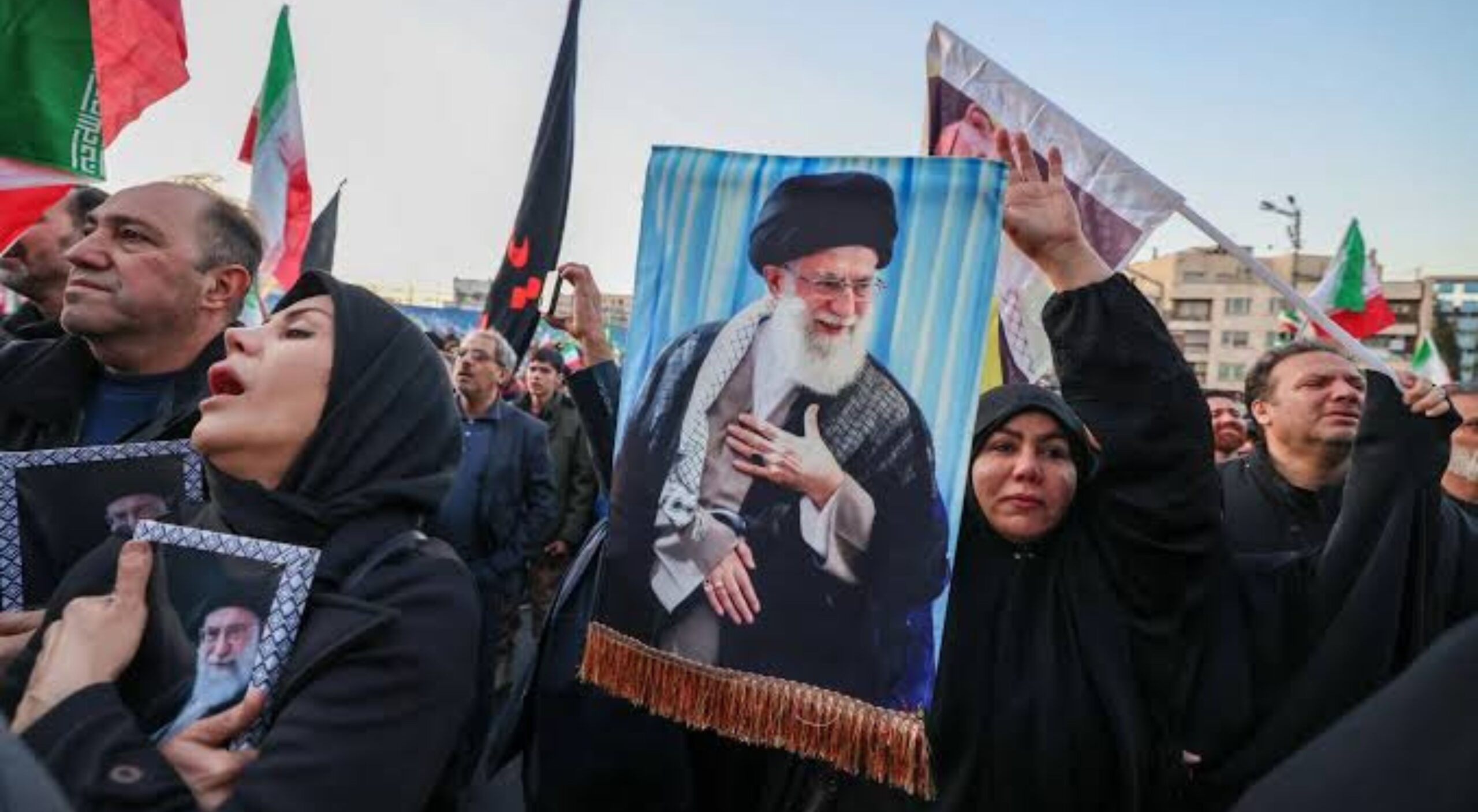
Photo Credit: Reuter
Thousands of Iranians have lined the streets of Tehran and other cities to pay their final respects to the late Supreme Leader Ayatollah Ali Khamenei, in one of the largest public gatherings the country has witnessed in years. The funeral ceremonies, which span several days, have drawn mourners from across Iran and delegations from dozens of countries, reflecting both the religious significance of the late leader and the political weight of the moment.
Mourners dressed in black filled major roads and the Imam Khomeini Mosalla Grand Mosque, carrying Iranian flags, portraits of Khamenei and banners calling for resistance. Many openly expressed grief, while others chanted slogans condemning the United States and Israel, whom Iran blames for the airstrike that killed Khamenei in February. Authorities have organised extensive security and logistical support, opening thousands of schools and public buildings to accommodate pilgrims travelling from across the country.
The ceremonies come at a defining moment for Iran. Beyond mourning the man who led the Islamic Republic for nearly four decades, the country is navigating a sensitive political transition under the new Supreme Leader Ayatollah Mojtaba Khamenei. His absence from the main public funeral procession, reportedly due to security concerns, has fuelled speculation, although senior government officials and military commanders have appeared together in a display of unity.
The scale of the funeral also carries a broader message. Iranian leaders have sought to portray the massive turnout as evidence of national solidarity despite months of conflict, economic hardship and domestic unrest. At the same time, analysts note that public mourning does not necessarily erase the deep political and social divisions that have challenged the country in recent years. Large state funerals often become moments where grief, patriotism and politics intersect, making them as much about the future as the past.
As Iran bids farewell to one of the most influential figures in its modern history, attention is gradually shifting from remembrance to what comes next. The transition in leadership, the country’s strained relations with the West and ongoing regional tensions will shape Iran’s next chapter. For many Iranians, the funeral is not only the end of an era but also the beginning of a period filled with uncertainty about the nation’s future.