
Listeners:
Top listeners:
 play_arrow
 Cosoro Afrobeats UK's #1 Afrobeats Radio Station
 play_arrow
 Cosoro Pidgin Na we bi di #1 UK Pidgin Radio
 play_arrow
 Cosoro Evergreen UK's #1 Radio for Timeless African Sounds


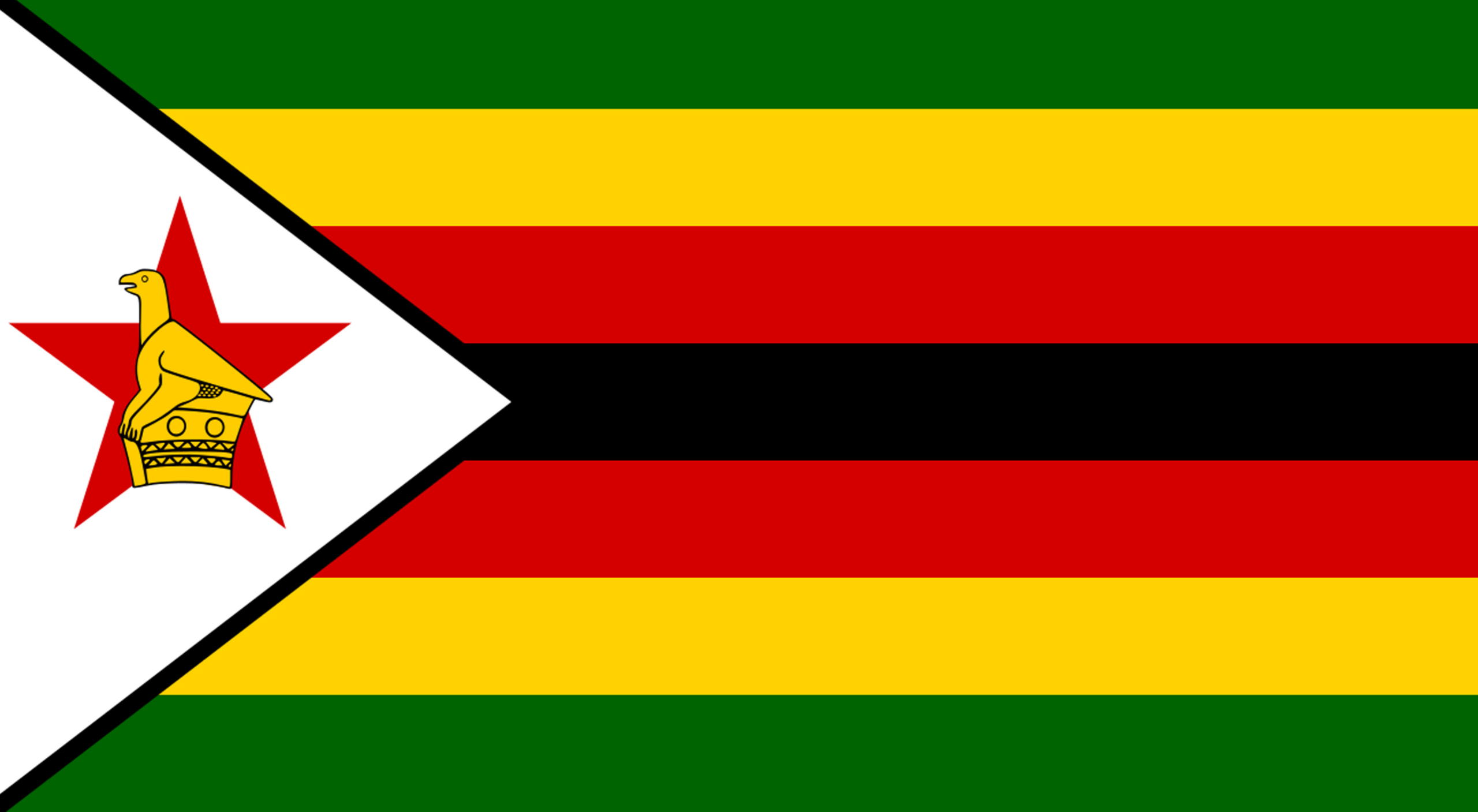
Zimbabwe’s Parliament has approved controversial constitutional amendments that would extend presidential and parliamentary terms from five to seven years, allowing President Emmerson Mnangagwa to remain in office until 2030 instead of leaving in 2028. The bill now awaits the president’s signature before it becomes law.
Supporters of the reforms argue that longer terms will provide greater political stability, reduce the frequency and cost of elections, and give governments more time to implement long-term development policies. The amendments would also replace direct presidential elections with a system in which Parliament elects the head of state, marking one of the most significant constitutional changes since Zimbabwe adopted its current constitution in 2013.
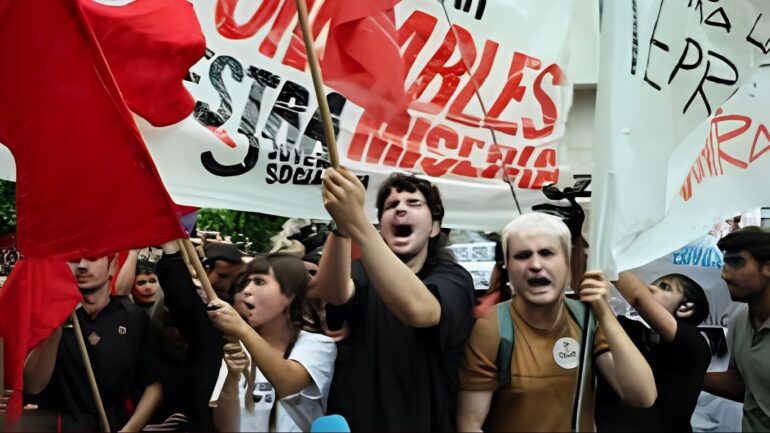
However, the proposals have sparked fierce criticism from opposition parties, legal experts and civil society groups, who describe them as a threat to democratic accountability. Critics argue that extending the current president’s tenure without seeking a public mandate weakens constitutional safeguards and reduces citizens’ ability to choose their leaders directly. Some have even labelled the reforms a “constitutional coup” and are calling for a national referendum instead of parliamentary approval alone.
The debate goes beyond President Mnangagwa himself. It raises broader questions about how democracies balance political stability with accountability. While governments often argue that longer terms allow for better planning and continuity, opponents warn that concentrating power for extended periods can weaken checks and balances and erode public trust.
With the ruling ZANU-PF party holding a commanding majority in Parliament, the legislation faced little resistance in the legislature. Even so, the reforms are expected to remain a major source of political and legal debate, as many Zimbabweans view the country’s constitution not just as a legal document but as a safeguard against the return of prolonged one-party dominance.