
Listeners:
Top listeners:
 play_arrow
 Cosoro Afrobeats UK's #1 Afrobeats Radio Station
 play_arrow
 Cosoro Pidgin Na we bi di #1 UK Pidgin Radio
 play_arrow
 Cosoro Evergreen UK's #1 Radio for Timeless African Sounds


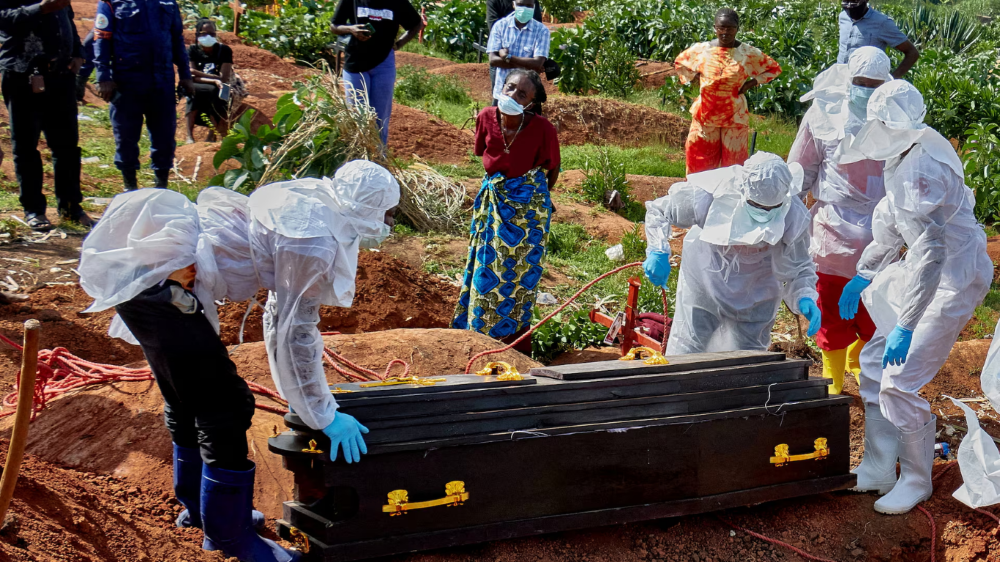
The Democratic Republic of the Congo (DRC) is battling a worsening Ebola outbreak after health authorities confirmed 1,307 cases and 377 deaths, making it one of the country’s most serious public health emergencies in recent years. Officials say the outbreak has now spread to a fourth province, increasing concerns about further regional transmission.
The current outbreak was officially declared on May 17, 2026, and is caused by the Bundibugyo strain of the Ebola virus. While less common than the Zaire strain responsible for several previous outbreaks, Bundibugyo remains highly dangerous and currently has no approved vaccine or targeted treatment. The World Health Organization (WHO) has designated the outbreak a Public Health Emergency of International Concern, prompting an international response.
Ebola is a severe viral disease that spreads through direct contact with the bodily fluids of infected people or contaminated materials. Symptoms often begin with fever, fatigue, muscle pain and headaches before progressing to vomiting, diarrhoea and, in severe cases, internal and external bleeding. Without early diagnosis and supportive treatment, the disease can be fatal.
The DRC has faced Ebola outbreaks several times since the virus was first identified near the Ebola River in 1976. The country’s largest outbreak occurred between 2018 and 2020 in North Kivu and Ituri provinces, when 3,470 cases and more than 2,200 deaths were recorded, making it the second-largest Ebola outbreak ever documented after the 2014–2016 West African epidemic.
Health officials say the latest outbreak presents unique challenges. Early symptoms of the Bundibugyo strain can resemble malaria, making diagnosis more difficult and delaying treatment. Ongoing conflict, population displacement and misinformation have also complicated contact tracing and containment efforts, while hundreds of confirmed patients have reportedly not yet been located by health authorities.
Authorities, supported by the WHO, Africa CDC and international partners, have intensified surveillance, isolation, contact tracing and public awareness campaigns in an effort to slow transmission. Neighbouring countries have also strengthened border screening and preparedness measures to reduce the risk of cross-border spread.
Although health officials remain hopeful that aggressive containment measures will help curb the outbreak, the steady rise in infections and fatalities underscores the scale of the challenge facing the DRC.