
Listeners:
Top listeners:
 play_arrow
 Cosoro Afrobeats UK's #1 Afrobeats Radio Station
 play_arrow
 Cosoro Pidgin Na we bi di #1 UK Pidgin Radio
 play_arrow
 Cosoro Evergreen UK's #1 Radio for Timeless African Sounds


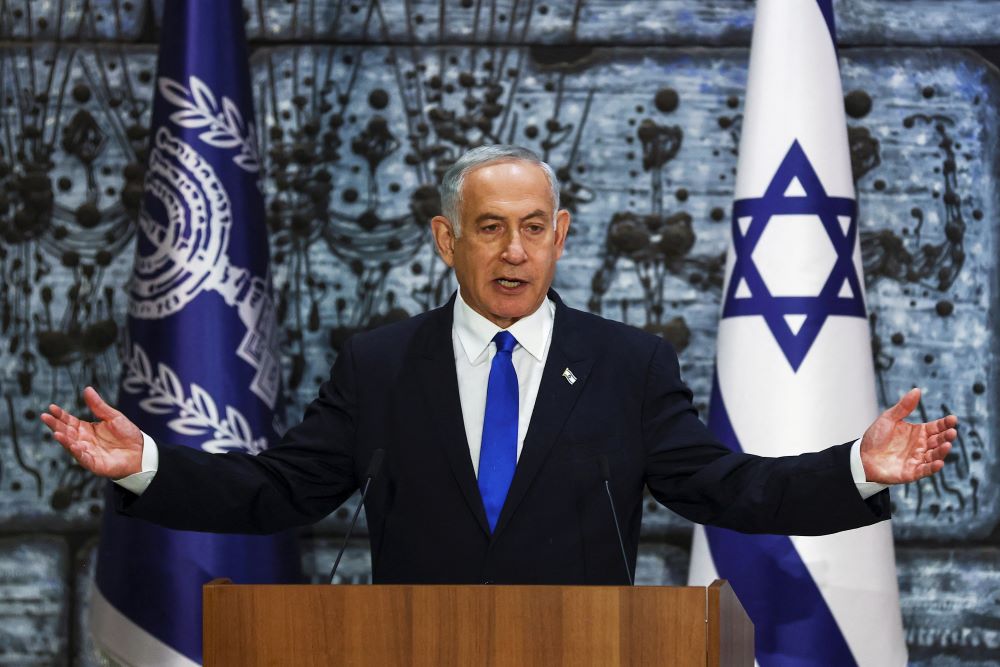
Image Credit: REUTERS
A diplomatic row has emerged between Israel and several African nations following Israel’s decision to impose travel restrictions on citizens from five African countries over concerns related to the ongoing Ebola outbreak in Central Africa. While Israeli authorities insist the measures are necessary to safeguard public health, critics argue that the restrictions unfairly target entire nations and risk reinforcing harmful stereotypes about the continent.
The controversy stems from the current outbreak of the Bundibugyo strain of Ebola, which has primarily affected the Democratic Republic of Congo (DRC) and neighboring regions. According to the World Health Organization (WHO), health authorities have been working aggressively to contain the outbreak through surveillance, contact tracing, and community health interventions. The situation has prompted governments worldwide to review border control and public health measures.
Israel’s government has defended the travel restrictions as a precautionary response aimed at preventing the virus from entering the country. Officials have also increased preparedness efforts in hospitals and health facilities, stressing that the measures are intended to reduce potential risks rather than single out specific countries. However, the decision has been met with criticism from African leaders and observers who argue that broad travel bans often have economic and diplomatic consequences that extend far beyond public health concerns.
The dispute has reignited a longstanding debate over how countries respond to disease outbreaks. During previous Ebola outbreaks in West and Central Africa, global health experts repeatedly warned that blanket travel bans can sometimes do more harm than good. The WHO has generally advocated for targeted screening, testing, and monitoring measures rather than widespread restrictions on international travel and trade.
For African nations, the issue goes beyond health policy. Many governments have long argued that outbreaks occurring in specific regions are often used to justify restrictions affecting entire countries or continents, regardless of the actual level of risk. Critics of Israel’s policy contend that such actions can discourage tourism, disrupt business activities, and create unnecessary fear about travel to Africa.
The timing of the restrictions has also attracted attention as countries prepare for major international events, including the 2026 FIFA World Cup. With global travel expected to increase significantly, governments are facing growing pressure to balance public safety with maintaining open international connections.
Health experts continue to emphasize that controlling Ebola depends largely on rapid detection, isolation of cases, public awareness campaigns, and international cooperation. While countries have the right to implement protective measures, many specialists argue that responses should remain proportionate and guided by scientific evidence.