
Listeners:
Top listeners:
 play_arrow
 Cosoro Afrobeats UK's No.1 Afrobeats Radio Station
 play_arrow
 Cosoro Pidgin Na we bi di No.1 UK Pidgin Radio
 play_arrow
 Cosoro Evergreen UK's No.1 Radio for Timeless African Sounds


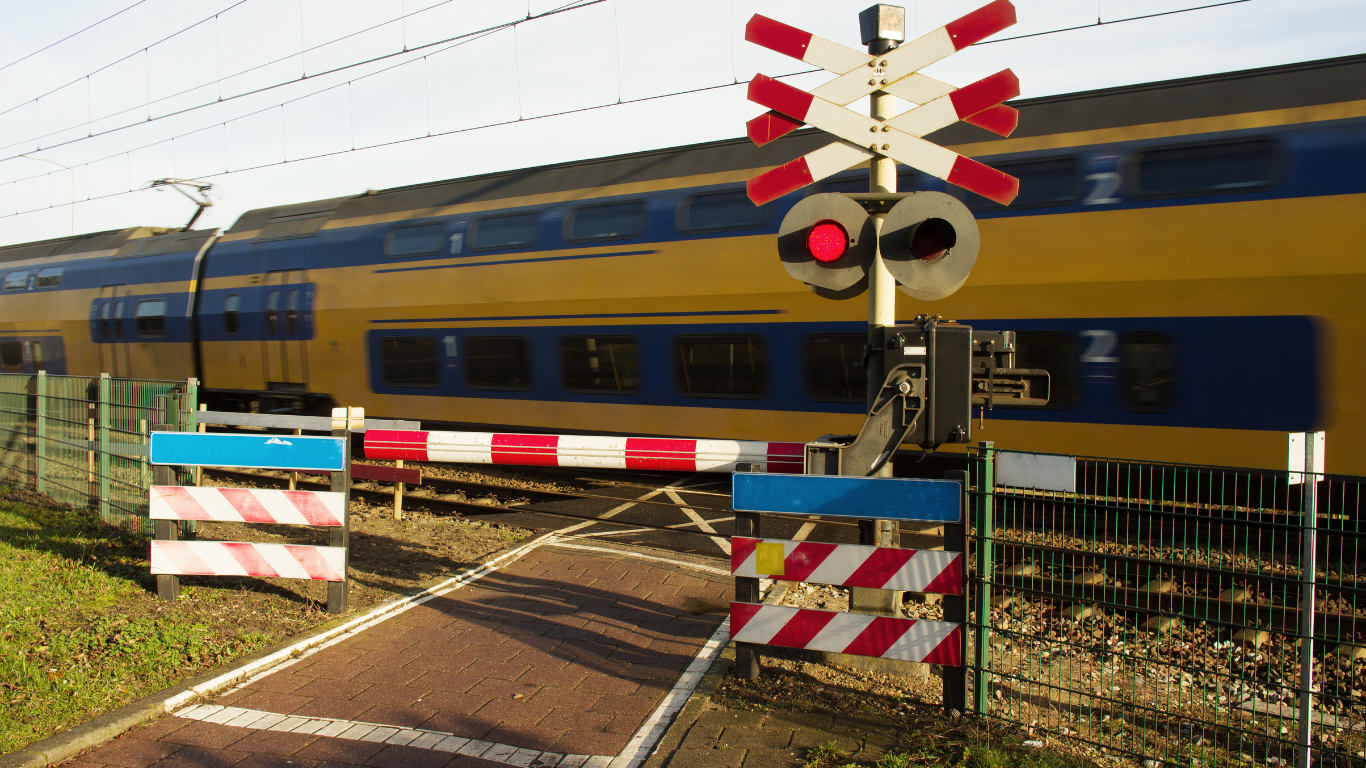
A freight train driver involved in a devastating collision with a public bus in Bangkok has tested positive for drugs and now faces charges of reckless driving following one of the city’s deadliest transport accidents in recent years.
The crash occurred on Saturday afternoon at the heavily congested Asoke-Din Daeng railway crossing, where a freight train slammed into a public bus that had become stranded on the tracks amid severe traffic congestion. Moments after impact, the bus burst into flames, killing at least eight people and injuring dozens more, according to Thai authorities.
Investigators say the bus was trapped on the crossing because gridlocked traffic prevented it from clearing the tracks in time. Officials also revealed that the railway barriers, which are operated manually, failed to lower properly before the collision occurred.
Police confirmed that the train driver’s urine test returned positive for drugs, although authorities have not publicly identified the substance involved. The driver has since been charged with reckless driving. In addition, both the bus driver and the railway crossing guard responsible for operating the barriers have also been charged as investigators attempt to determine how multiple safety failures contributed to the disaster.
The Asoke-Din Daeng crossing is known as one of Bangkok’s busiest and most chaotic traffic points, linking major roads near a heavily populated commercial district. Residents and commuters have long raised concerns about safety at the crossing, where traffic jams are frequent and trains regularly pass through densely packed intersections.
The tragedy has sparked nationwide outrage and renewed scrutiny over railway safety standards in Thailand. Following the incident, Pichet Kunadhamraks, director-general of Thailand’s rail transport department, announced immediate emergency measures requiring mandatory drug and alcohol testing for all train drivers and railway personnel before beginning their shifts.
Preliminary findings from the train’s black box data have also raised further concerns. According to Thai PBS reports, the emergency braking system was activated only about 100 metres before the collision — far too late to prevent impact. Transport officials are now investigating whether the delayed braking was caused by human error, impaired judgment, or operational failures.
Emergency crews described chaotic scenes after the crash as firefighters battled intense flames engulfing the bus while rescuers attempted to pull injured passengers from the wreckage. Several victims reportedly suffered severe burns and critical injuries.
The accident has intensified debate over transportation infrastructure and safety enforcement in Thailand, where road and rail accidents remain a persistent issue. Critics argue that outdated systems, inadequate oversight, and poor traffic management continue to place commuters at risk, particularly in densely populated urban centres like Bangkok.
Authorities have pledged a full investigation into the collision, including the actions of railway staff, the condition of the crossing systems, and the operational conduct of the train crew. Officials say additional safety reforms may follow as public pressure mounts for stronger protections across Thailand’s transport network.