

Listeners:
Top listeners:
 play_arrow
 Cosoro Afrobeats UK's #1 Afrobeats Radio Station
 play_arrow
 Cosoro Pidgin Na we bi di #1 UK Pidgin Radio
 play_arrow
 Cosoro Evergreen UK's #1 Radio for Timeless African Sounds



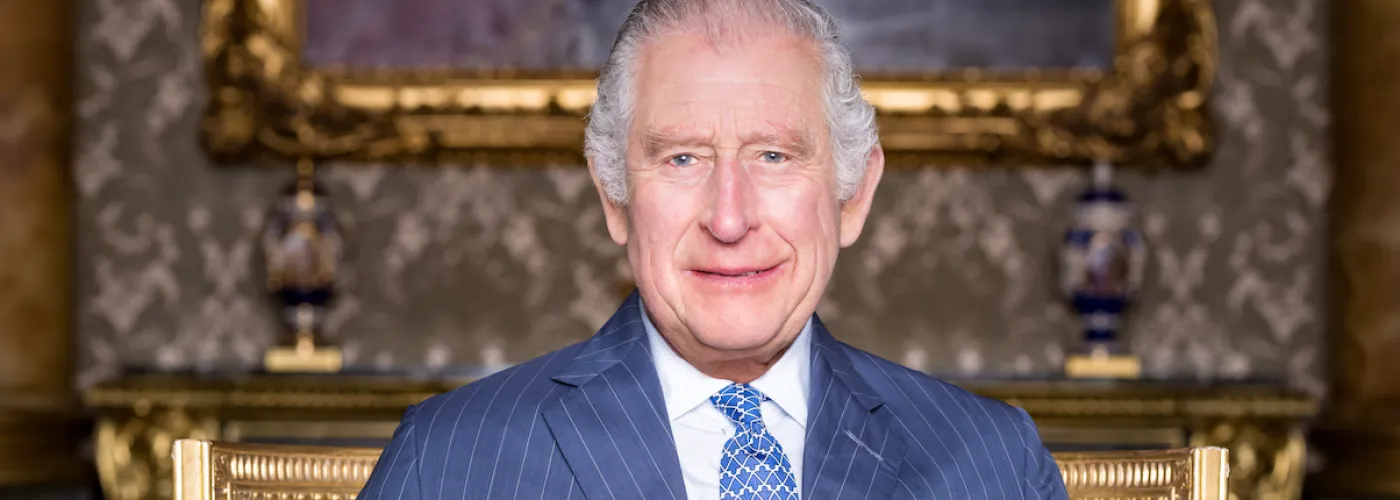
Pic: Buckingham Palace
The British government is preparing to unveil a sweeping package of economic, welfare, and financial reforms as King Charles III delivers the King’s Speech on Wednesday, outlining Labour’s legislative priorities for the new parliamentary session.
The speech is expected to carry unusual political significance for Prime Minister Sir Keir Starmer, who is under growing pressure to revive his leadership following a disappointing set of local election results that exposed frustration within parts of the Labour Party and among voters struggling with the economy.
Government officials are expected to focus heavily on economic growth, post-Brexit trade relations, and cost-of-living concerns, while also introducing controversial welfare reforms aimed at reducing public spending.
One of the most closely watched proposals will involve closer economic alignment with the European Union. According to government plans, ministers are preparing legislation that would allow the United Kingdom to adopt certain EU single market rules in specific sectors, including food standards and trade regulations. Labour insists the move is intended to improve trade and reduce barriers for businesses without rejoining the EU single market or customs union.
The government is also expected to introduce measures targeting the cost-of-living crisis, an issue that continues to dominate public concern despite easing inflation. Labour MPs have reportedly pushed Downing Street to offer stronger support for struggling households as energy bills, housing costs, and food prices continue to place pressure on families across the country.
However, one of the most politically sensitive announcements is likely to involve welfare spending. Ministers are preparing a renewed attempt to cut the welfare bill after an earlier package faced resistance from Labour backbenchers. The proposed reforms are expected to include restrictions preventing people under the age of 22 from claiming incapacity benefits, alongside wider efforts to tighten eligibility rules. Additional changes to disability benefits are expected later following the completion of the Timms Review.
Chancellor Rachel Reeves is also expected to move forward with plans to formally establish the National Wealth Fund through legislation. The fund, which replaced the previous Conservative government’s National Infrastructure Bank, is designed to attract private investment into major infrastructure and green energy projects. Officials say placing the fund into law will provide greater clarity and long-term stability for investors.
The financial sector is also set for major regulatory changes under a proposed Financial Services Bill. Planned reforms reportedly include merging the Payment Systems Regulator into the Financial Conduct Authority and overhauling the Financial Ombudsman Service. Ministers argue the changes are necessary to modernise financial oversight and improve the competitiveness of the City of London after Brexit.
Meanwhile, local authorities could gain new powers to raise revenue through tourism. The government is considering legislation that would allow regional mayors in England to introduce overnight tourist taxes in towns and cities. The proposal follows a consultation launched by Local Government Secretary Steve Reed last year and mirrors systems already used in several European countries.
Labour is also expected to introduce measures aimed at strengthening domestic businesses. A new Public Procurement Bill would encourage public bodies to purchase more goods and services from British small and medium-sized companies, part of a broader effort to support local industries and reduce reliance on overseas suppliers.
Small businesses may also benefit from tougher action against large firms that fail to pay suppliers on time. The government is expected to announce stricter penalties for companies that delay payments beyond 60 days, an issue long criticised by business groups as a major threat to smaller enterprises.
The King’s Speech is traditionally used to outline the government’s legislative agenda, but this year’s address is widely viewed as a major political moment for Starmer’s administration. With pressure mounting over the economy, public spending, and Labour’s political direction, the speech is expected to serve as both a policy roadmap and an attempt to restore confidence in the prime minister’s leadership.