
Listeners:
Top listeners:
 play_arrow
 Cosoro Afrobeats UK's #1 Afrobeats Radio Station
 play_arrow
 Cosoro Pidgin Na we bi di #1 UK Pidgin Radio
 play_arrow
 Cosoro Evergreen UK's #1 Radio for Timeless African Sounds


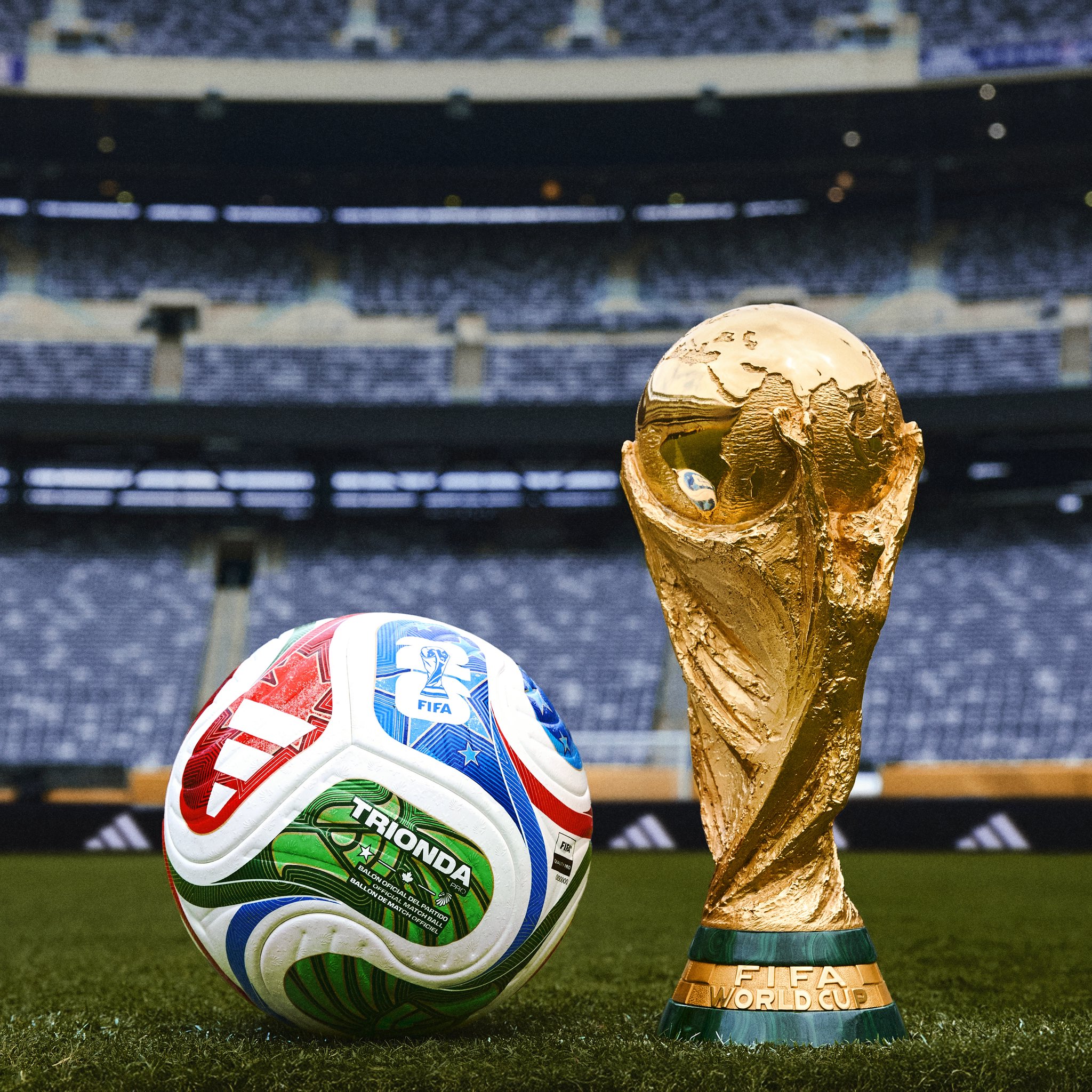
FIFA has introduced new disciplinary rules set to take effect at the 2026 World Cup, following a series of controversial incidents in international football that exposed growing concerns around player behaviour, match disruptions, and hidden on-field misconduct. The decision, approved in April 2026 by the International Football Association Board (IFAB), marks one of the most significant updates to the Laws of the Game in recent years, and it was directly influenced by incidents ranging from AFCON final chaos to heated European match confrontations involving top players.
One of the key catalysts behind the new regulations was the dramatic situation at the 2025 Africa Cup of Nations (AFCON) final between Morocco and Senegal, where a disputed penalty decision in the closing stages triggered protests on the pitch. In that match, Senegal players briefly walked off in protest after a controversial refereeing call, causing a long interruption before the game resumed. The incident later escalated into a major disciplinary dispute, with CAF initially overturning the result and awarding an administrative victory to Morocco before the case was taken to the Court of Arbitration for Sport (CAS). This situation raised serious concerns within FIFA about how far player protests could go before affecting the integrity of a match.
At the same time, European football also contributed to the push for reform. One widely discussed incident involved Real Madrid forward Vinícius Júnior during a heated confrontation in La Liga, where an opposing player was accused of covering his mouth while speaking during an argument. This sparked debates about whether players were attempting to conceal abusive or discriminatory language from referees and cameras, making it difficult to properly investigate misconduct on the pitch.
These two separate but highly publicised situations, AFCON’s walk-off controversy and Europe’s player-conduct disputes, converged to push FIFA and IFAB into action. The governing bodies concluded that existing rules were not strong enough to deal with modern behavioural issues in football, especially in high-pressure international tournaments where emotions often run high.
As a result, IFAB approved two major rule changes in April 2026 in Vancouver, which will be implemented at the 2026 FIFA World Cup. One of the most notable changes is that players can now be shown a red card if they cover their mouths during confrontations with opponents. According to IFAB, this behaviour may be interpreted as an attempt to hide abusive, discriminatory, or inappropriate language from match officials, making it harder to enforce fair play regulations.
Another major rule introduced targets player protests. Under the new law, any player who leaves the pitch in protest of refereeing decisions can now face a red card, and teams may be penalised if such actions lead to disruption or abandonment of a match. In more severe cases, matches could even be forfeited if walk-offs or collective protests prevent play from continuing. This rule was heavily influenced by incidents like the AFCON final disruption, where temporary walk-offs created confusion over match outcomes and disciplinary authority.
The new regulations also extend accountability to team officials, meaning coaches and technical staff can now be sanctioned if they are found to encourage or support protest actions that disrupt matches. This is part of FIFA’s broader effort to ensure that control of the game remains firmly in the hands of referees and match officials, especially during high-stakes tournaments.
FIFA and IFAB have explained that the changes are designed to protect the integrity of the game and ensure greater transparency on the pitch. With increasing global attention on football, especially during major tournaments, incidents involving protests, hidden communication, and disciplinary confusion have become harder to manage under existing laws.
By introducing these updated rules ahead of the 2026 World Cup, FIFA aims to eliminate grey areas in player conduct and ensure referees have stronger authority to manage both emotional reactions and potential misconduct. The decision reflects a broader shift in football governance, where behavioural regulation is becoming just as important as technical officiating.