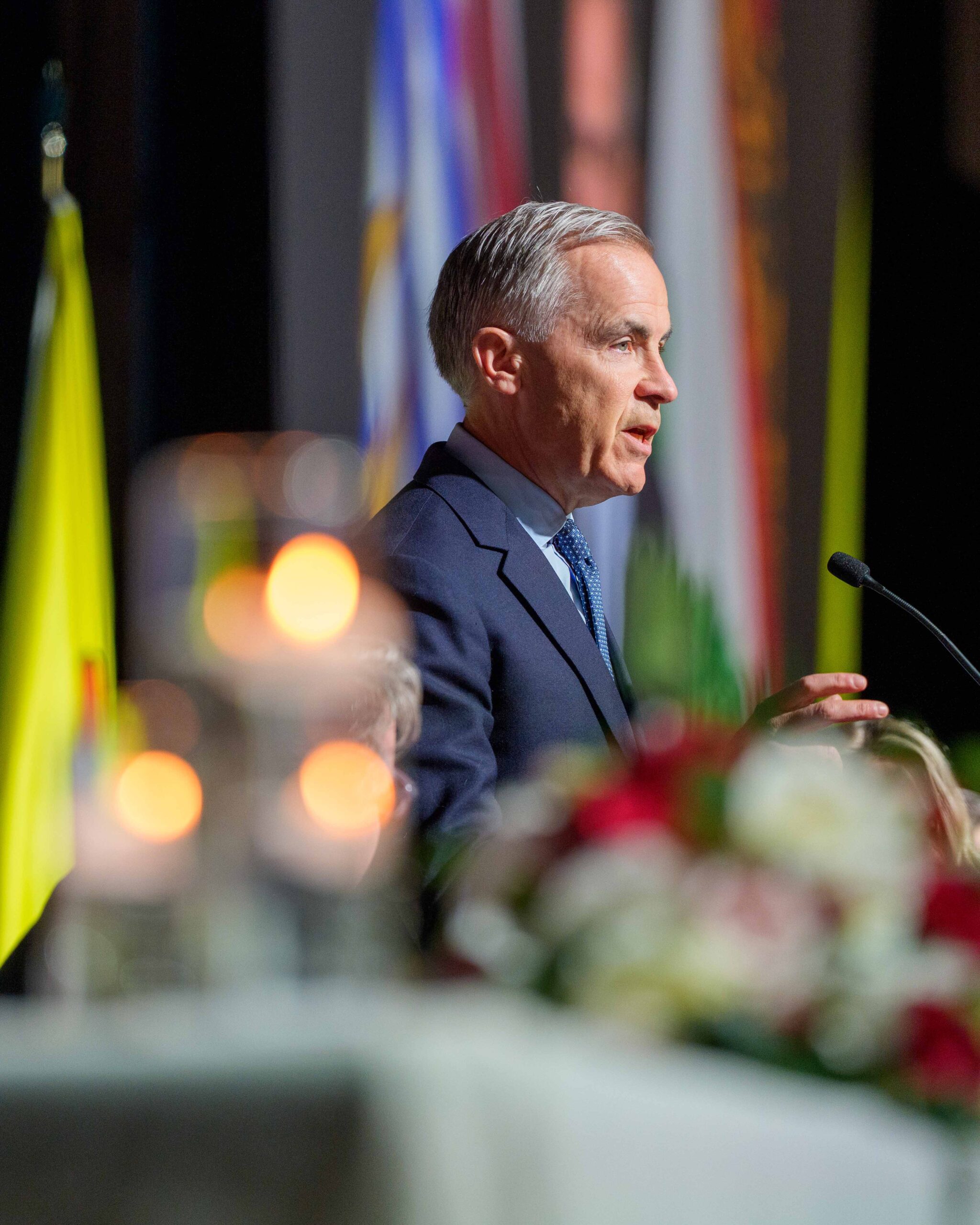
Canadian Prime Minister Mark Carney has secured a parliamentary majority for his Liberal government following a series of special election victories, marking a rare and significant shift in the country’s political landscape.
The breakthrough came after the Liberals won key by-elections held on April 13, giving the party at least 174 seats in the 343-member House of Commons, enough to form a majority government without calling a general election.
The result is considered historically unusual in Canadian politics, as governments typically achieve majority status only through nationwide elections. In this case, Carney’s administration transitioned from a minority to a majority through a combination of by-election wins and defections from opposition lawmakers.
Carney, who took office in 2025 following the resignation of former Prime Minister Justin Trudeau, had initially governed with a minority, requiring support from opposition parties to pass legislation. His new majority now allows him to push through policies without relying on political rivals, significantly strengthening his grip on power.
The decisive gains came in key electoral districts in Ontario and Quebec, where Liberal candidates secured victories that tipped the balance in parliament. Analysts say the results reflect growing public support for Carney’s leadership, which has been shaped by his economic background and focus on international diplomacy.
Carney’s rise has also been bolstered by political realignments within parliament. Several lawmakers from opposition parties crossed the floor to join the Liberals in recent months, helping narrow the gap to a majority even before the by-elections were held.
Supporters argue that the majority provides stability at a time of global uncertainty, particularly amid ongoing trade tensions with the United States and broader economic challenges. Carney has emphasized reducing Canada’s dependence on its southern neighbor and strengthening international partnerships as part of his agenda.
However, critics have raised concerns about how the majority was achieved. Opposition figures have described the combination of defections and by-election gains as a “power consolidation,” arguing that it bypasses the traditional mandate of a general election.
Despite the criticism, the new parliamentary arithmetic means Carney’s government could remain in power until 2029 without the need for another election, giving him a longer runway to implement his policies.
The development marks a turning point for Canadian politics, with Carney now firmly positioned to shape the country’s economic and foreign policy direction in the years ahead.


 play_arrow
  play_arrow
  play_arrow