

Listeners:
Top listeners:
 play_arrow
 Cosoro Afrobeats UK's #1 Afrobeats Radio Station
 play_arrow
 Cosoro Pidgin Na we bi di #1 UK Pidgin Radio
 play_arrow
 Cosoro Evergreen UK's #1 Radio for Timeless African Sounds


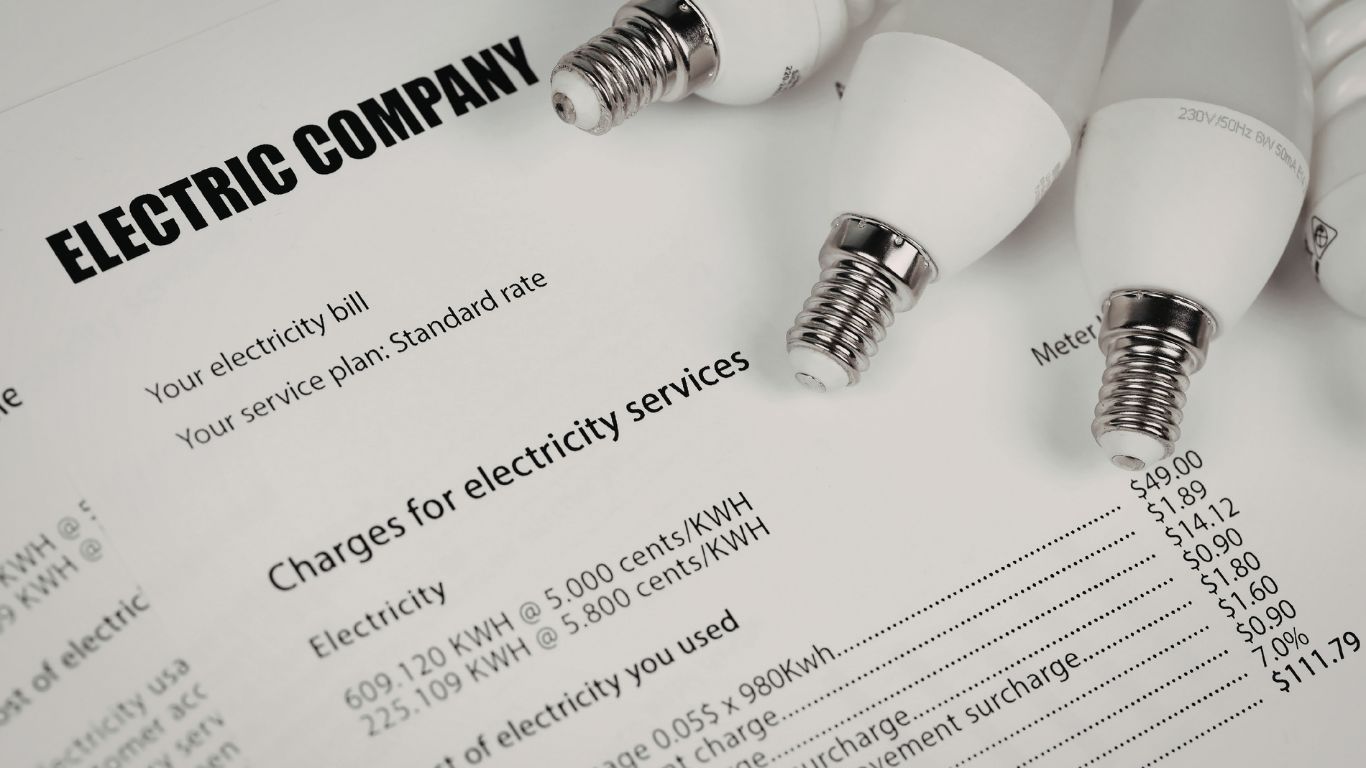
Households across the United Kingdom are being warned to brace for a fresh wave of financial pressure as rising global energy costs—linked to the ongoing Iran conflict—threaten to push bills significantly higher later this year. The government, however, is signaling a cautious response, with Chancellor Rachel Reeves indicating that any support will be carefully targeted and may not arrive until the autumn months.
The sharp increase in wholesale oil and gas prices over the past month has been driven largely by disruptions to supply routes in the Middle East. These global shocks are feeding directly into the UK energy market, exposing the country’s reliance on international fuel supplies. While households will see a temporary reprieve between April and June under the current energy price cap set by Ofgem, experts expect a steep rise once the cap is reviewed again later in the year.
Despite growing concern among consumers, Reeves while speaking to BBC stressed that it is still “too early” to outline exactly who will qualify for government assistance. Her comments suggest a deliberate shift away from the broad, universal support schemes introduced during previous crises. Instead, aid will be focused on lower-income households, with the aim of avoiding what she described as past inefficiencies in distributing public funds.
Reflecting on the response to the energy crisis triggered by the Russian invasion of Ukraine, Reeves pointed out that a disproportionate share of support went to wealthier households. She argued that such an approach was unsustainable and inequitable, reinforcing the government’s current stance that future interventions must be more precise and financially responsible.
Seasonal energy demand is also playing a role in the timing of potential support. During the summer months, gas usage typically drops to its lowest levels, reducing immediate pressure on households. However, as temperatures fall in autumn, demand rises sharply, making that period the most likely window for government intervention.
The decision not to offer immediate relief, especially for motorists facing higher fuel prices, underscores the government’s broader commitment to maintaining control over public finances. While this approach may help limit borrowing and long-term economic strain, it leaves many households exposed in the short term as costs continue to climb.
With the next energy price cap yet to be announced, uncertainty remains high. Analysts widely expect a significant increase, which could deepen the cost-of-living challenges already facing millions. As a result, the coming months will be critical in shaping both the government’s response and the financial outlook for UK households navigating an increasingly volatile global energy landscape.