

Listeners:
Top listeners:
 play_arrow
 Cosoro Afrobeats UK's No.1 Afrobeats Radio Station
 play_arrow
 Cosoro Pidgin Na we bi di No.1 UK Pidgin Radio
 play_arrow
 Cosoro Evergreen UK's No.1 Radio for Timeless African Sounds


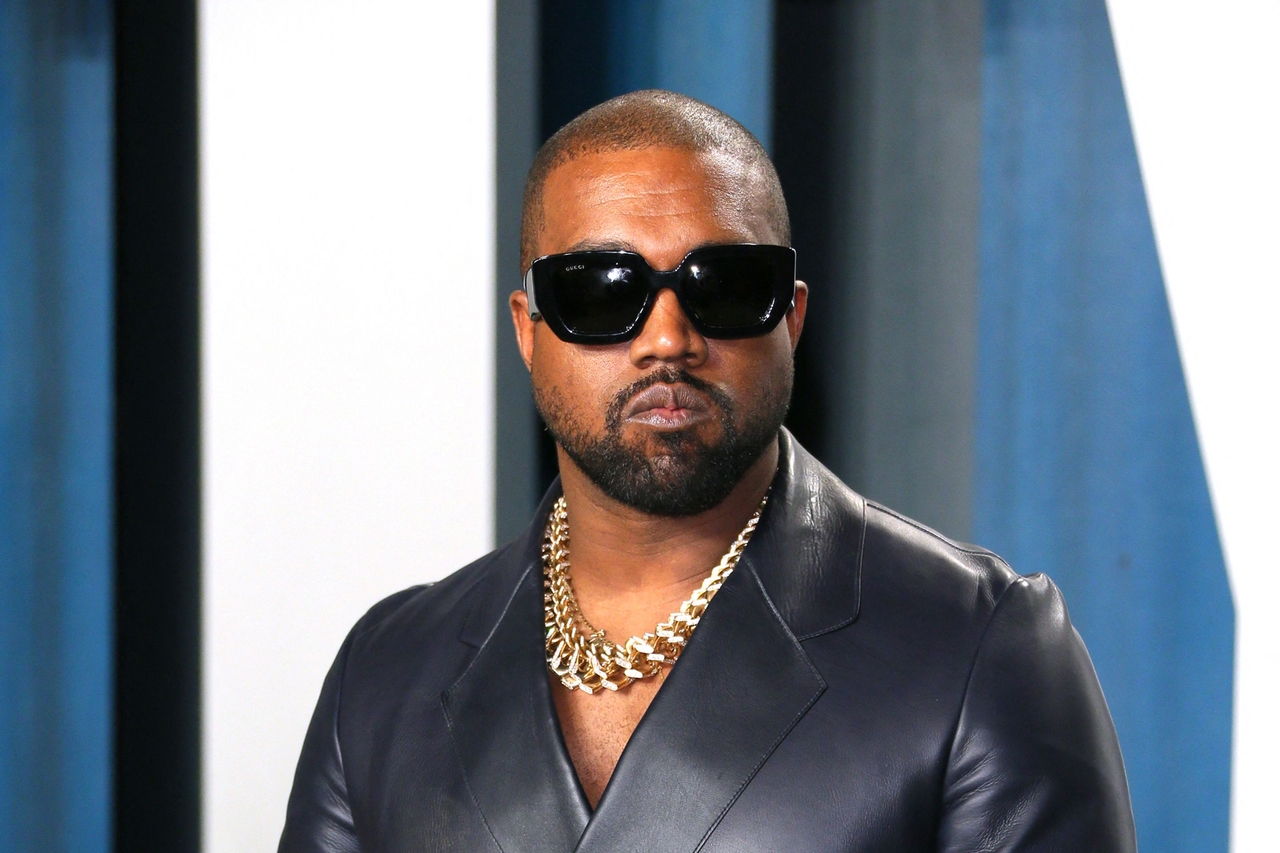
The 2026 edition of the Wireless Festival has been cancelled after US rapper Kanye West was blocked from entering the United Kingdom, following mounting controversy over his past remarks.
Organisers confirmed the decision after the UK Home Office refused West’s application for an Electronic Travel Authorisation, effectively barring him from performing at the London-based event, where he had been scheduled to headline all three days in July.
The government’s decision was based on concerns that the artist’s presence would not be “conducive to the public good,” amid widespread criticism of his history of antisemitic comments and controversial behaviour.
The annual festival, one of the UK’s biggest hip-hop events since its launch in 2005, had been expected to draw tens of thousands of fans. However, organisers said cancelling the event was unavoidable after West’s ban made it impossible to proceed with the planned headline performances.
In a statement, festival organisers said all ticket holders would receive full refunds. They also acknowledged the seriousness of the issues surrounding the controversy, as backlash intensified in the days leading up to the cancellation.
The decision follows a wave of criticism from politicians, advocacy groups, and the public. UK Prime Minister Keir Starmer had previously described the booking as “deeply concerning,” while several major sponsors withdrew their support from the event.
West, who now goes by Ye, had recently attempted to address the backlash by issuing public apologies and expressing a willingness to engage with the UK’s Jewish community. Despite this, pressure continued to mount, with many arguing that his past statements required more than words to resolve.
The cancellation highlights the growing influence of public and political scrutiny on major entertainment events, as well as the risks organisers face when booking controversial figures. It also underscores broader debates about accountability, free expression, and the limits of redemption in the public eye.
While the future of the festival remains uncertain, organisers have not indicated whether a replacement event or rescheduled edition will take place. For now, the abrupt cancellation marks a significant disruption to the UK’s summer music calendar, and a striking example of how controversy can reshape even the biggest global events.