
Listeners:
Top listeners:
 play_arrow
 Cosoro Afrobeats UK's No.1 Afrobeats Radio Station
 play_arrow
 Cosoro Pidgin Na we bi di No.1 UK Pidgin Radio
 play_arrow
 Cosoro Evergreen UK's No.1 Radio for Timeless African Sounds


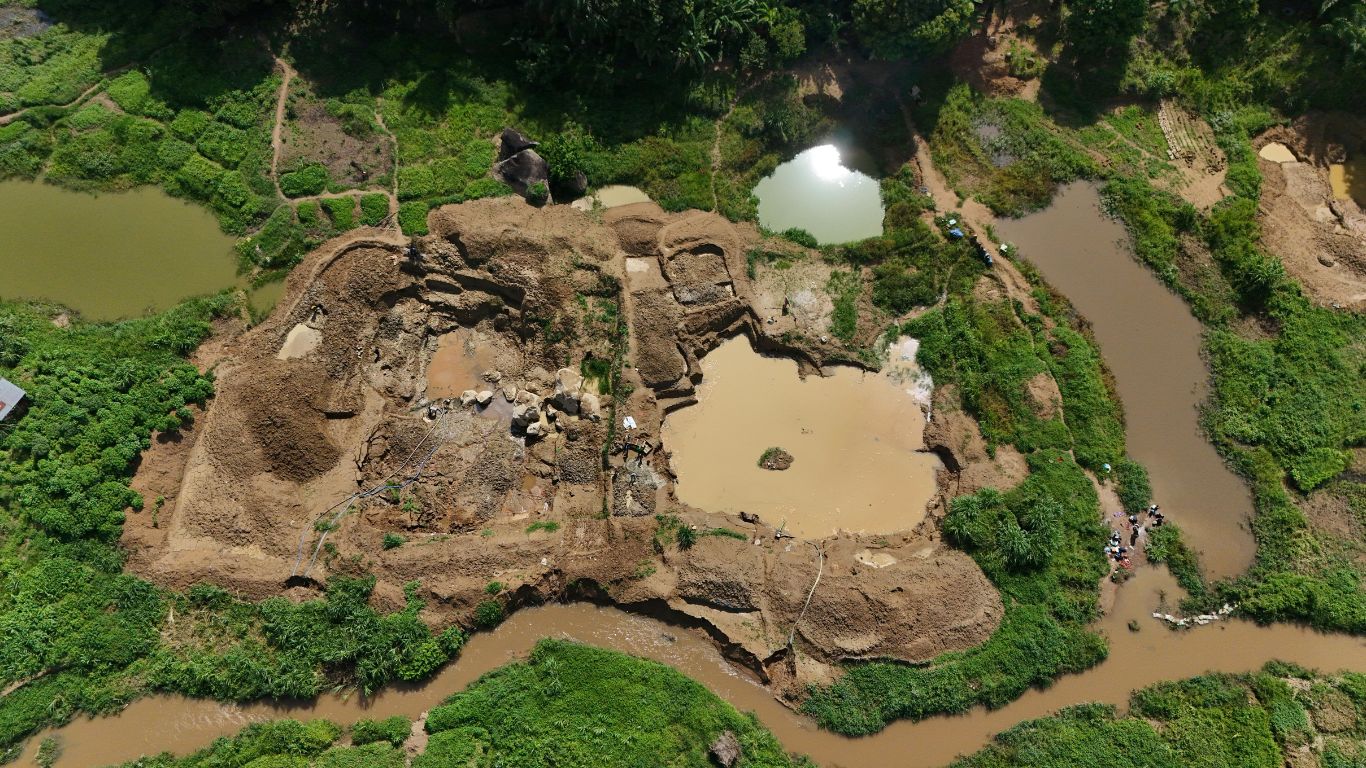
The United States has firmly denied claims that it is financing a controversial paramilitary force intended to secure mining operations in the Democratic Republic of the Congo.
The dispute emerged after Congolese authorities announced plans for a $100 million mining security force designed to protect strategic mineral sites across the country. Initial statements from the country’s General Inspectorate of Mines suggested the initiative was being developed under partnerships involving the US and the United Arab Emirates. However, Washington quickly moved to distance itself from those claims. According to the US embassy, it is “not currently funding any units to patrol or guard mines” in the Congo, directly contradicting earlier assertions.
The proposed force is part of a broader effort by the Congolese government to regain control over its vast mineral wealth, which includes globally critical resources such as cobalt, copper, and lithium. These materials are essential for modern technologies, including electric vehicle batteries and renewable energy systems. The country is already the world’s leading supplier of cobalt and a major producer of copper, making it a focal point for international competition.
Originally, the paramilitary unit was described as a major reform initiative aimed at improving security in mining regions plagued by armed groups, smuggling, and instability—particularly in the eastern provinces. The force is expected to grow significantly, with projections suggesting it could exceed 20,000 personnel by 2028, replacing or supplementing existing military roles in protecting mining infrastructure.
Yet the US denial underscores the complexity of international partnerships in the region. While Washington has been actively involved in securing access to critical minerals through economic agreements and strategic cooperation, it appears unwilling to be directly linked to funding armed security units. Instead, US officials emphasize broader goals such as economic development, stability, and transparent supply chains.
Congolese authorities have since clarified that, although discussions involve multiple international partners, no single country is expected to directly fund the mining guard. Instead, talks are ongoing to develop a financing structure aligned with national priorities. This suggests the earlier claims may have overstated the level of direct foreign involvement.
The situation unfolds against a backdrop of persistent conflict in eastern Congo, where violence linked to rebel groups has long disrupted mining operations and displaced communities. Efforts to secure mining regions are therefore not only economic but also tied to national security and governance challenges.
At the same time, global interest in Congo’s minerals has intensified geopolitical competition. Western nations, including the US, are seeking to reduce reliance on other dominant players in the global supply chain, while also ensuring ethical sourcing and stability. This has led to a surge in partnerships, investments, and diplomatic engagement in the region.