
Listeners:
Top listeners:
 play_arrow
 Cosoro Afrobeats UK's #1 Afrobeats Radio Station
 play_arrow
 Cosoro Pidgin Na we bi di #1 UK Pidgin Radio
 play_arrow
 Cosoro Evergreen UK's #1 Radio for Timeless African Sounds


Pic: Getty Images
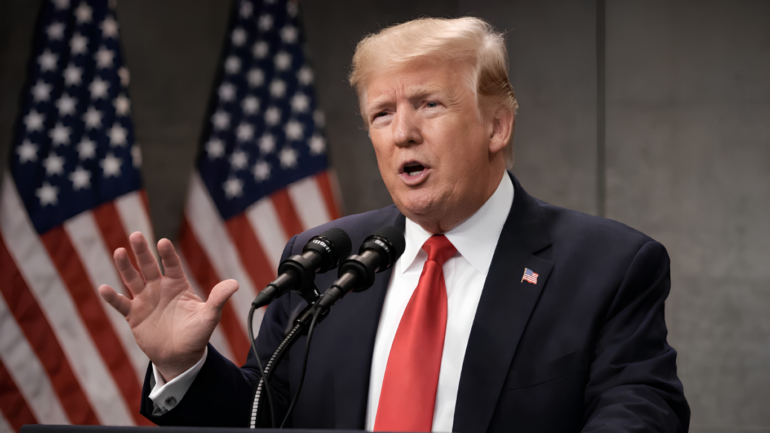
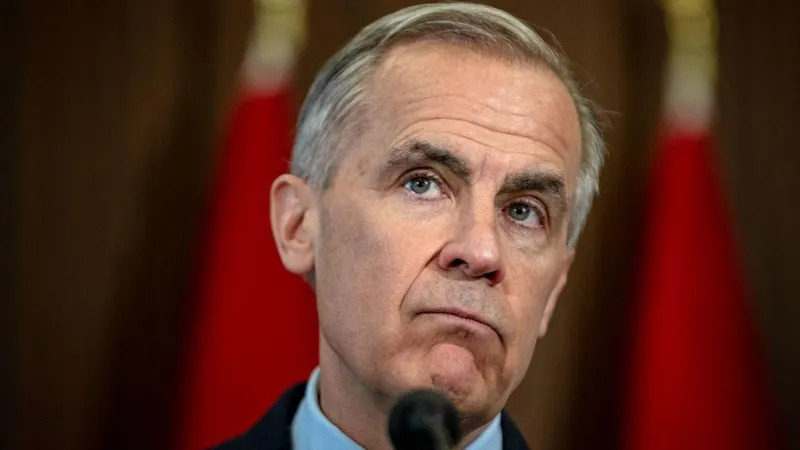
Tensions between the United States and Canada have intensified after Canadian Prime Minister Mark Carney pushed back against what he described as attempts by Washington to impose conditions on future trade negotiations.
The dispute centres on reports that the United States is seeking concessions, described by critics as an “entry fee”, before agreeing to engage in formal trade discussions with Canada. The move has sparked diplomatic friction between the two long-standing allies, whose economic relationship is among the largest and most integrated in the world.
Speaking on the issue, Carney made it clear that Canada would not accept externally imposed terms as a prerequisite for negotiations. He emphasized that trade talks must be conducted on equal footing, stating that his government would not allow the United States to dictate the framework or conditions of engagement.
The disagreement comes amid a broader deterioration in relations, fuelled by ongoing disputes over tariffs, trade imbalances, and political rhetoric. Recent policy decisions in Washington, including protectionist measures and sharp criticism of Canadian economic practices, have added strain to what has historically been a stable partnership.
At the heart of the issue is the future of trade cooperation between the two countries, particularly as they approach potential renegotiations of existing agreements. Canada has signaled that it is prepared to defend its economic interests, even if that means delaying or refusing talks under unfavourable conditions.
Analysts warn that prolonged tensions could have wider implications for North American trade, affecting supply chains, cross-border investments, and key industries such as energy, agriculture, and manufacturing. Both nations are deeply interdependent, making any breakdown in cooperation potentially costly for businesses and consumers on both sides of the border.
Despite the current standoff, diplomatic channels remain open, and there is cautious optimism that both sides will eventually return to the negotiating table. However, the dispute underscores a shifting dynamic in international trade relations, where long-standing alliances are increasingly tested by domestic political pressures and changing economic priorities.
As negotiations hang in the balance, the coming weeks are expected to be critical in determining whether the US and Canada can overcome their differences or face a deeper and more prolonged trade rift.