Listeners:
Top listeners:
 play_arrow
 Cosoro Afrobeats UK's No.1 Afrobeats Radio Station
 play_arrow
 Cosoro Pidgin Na we bi di No.1 UK Pidgin Radio
 play_arrow
 Cosoro Evergreen UK's No.1 Radio for Timeless African Sounds


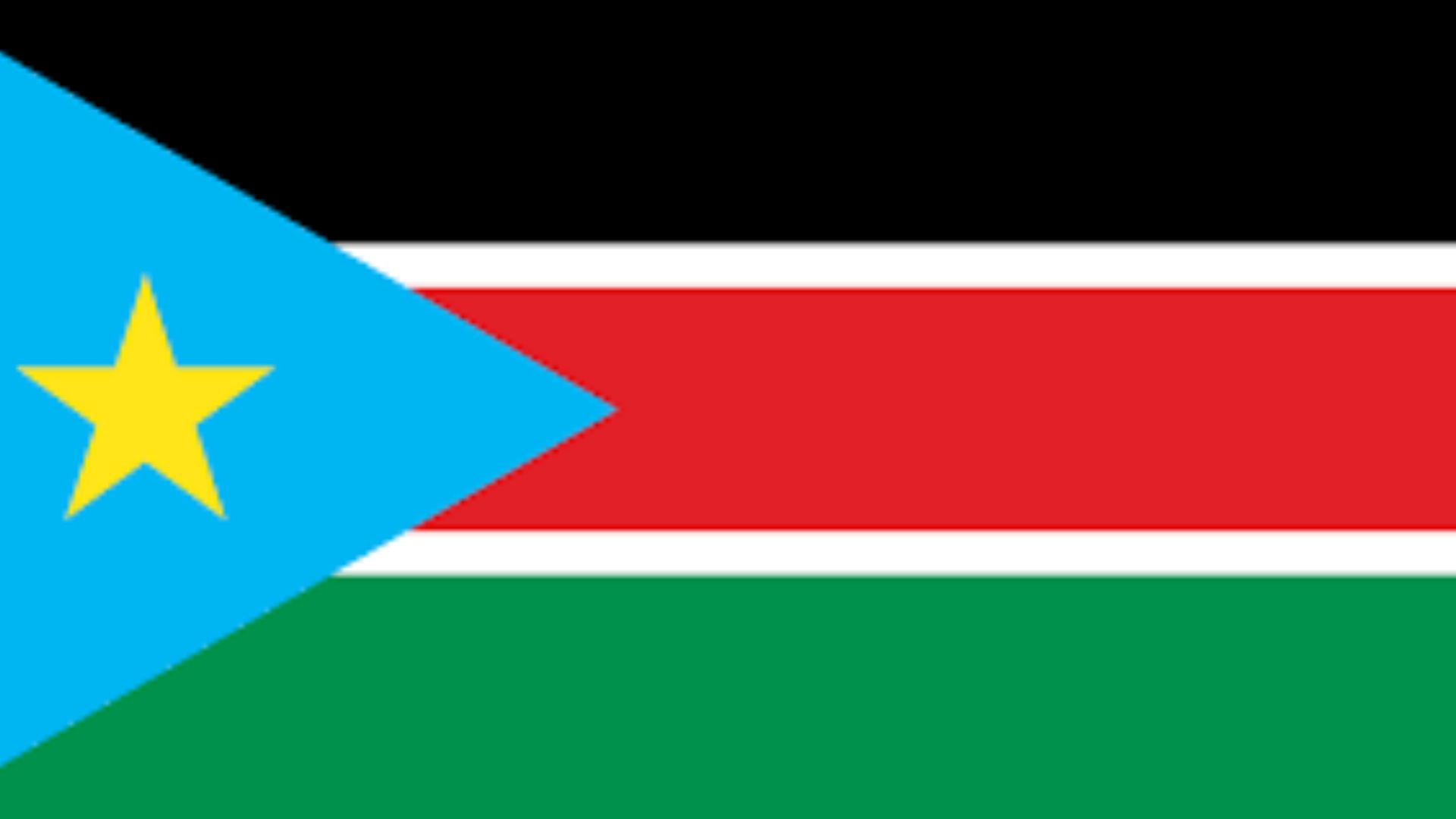
South Sudan has achieved a historic milestone after UNESCO granted its first ever World Heritage designation to the Boma Badingilo Migratory Landscape, home to one of the world’s largest land mammal migrations. However, the recognition comes with an urgent warning, the vast ecosystem has been placed on the World Heritage in Danger list because of escalating threats from conflict, climate change and human activity.
Stretching across more than 37,000 square kilometres of grasslands and savannah between the White Nile and the Ethiopian border, the Boma Badingilo landscape supports the annual migration of an estimated one million white eared kob, tiang antelopes, Mongalla gazelles and numerous other wildlife species. The migration is regarded as one of the largest remaining terrestrial wildlife movements on Earth and is a vital part of Africa’s natural heritage.
UNESCO said the site was added to the endangered list on an emergency basis because of mounting pressures that threaten its ecological integrity. Years of armed conflict have weakened conservation efforts, while illegal hunting, habitat degradation and the growing effects of climate change continue to endanger both wildlife and the communities that depend on the landscape. The designation is intended to attract international expertise, funding and conservation support before the ecosystem suffers irreversible damage.
South Sudan’s Minister of Tourism, Denay Jock Chagor, described the recognition as a landmark moment for the country’s conservation efforts, saying the landscape represents not only extraordinary biodiversity but also the resilience and potential of South Sudan. Community leaders echoed that sentiment, noting that generations of local people have lived alongside the migration, with their livelihoods and cultural traditions closely tied to the ecosystem.
The listing is particularly significant for South Sudan, which gained independence in 2011 and has spent much of its history grappling with conflict and humanitarian crises. Amid those challenges, international recognition of one of its greatest natural treasures offers a different narrative one centred on conservation, biodiversity and sustainable development. Yet UNESCO’s decision also serves as a reminder that recognition alone will not guarantee protection. Preserving the migration will require lasting peace, stronger environmental management and sustained international cooperation.
The dual designation reflects both celebration and caution. While South Sudan now joins the global community of nations with UNESCO World Heritage sites, the “in danger” status underscores the urgent responsibility to safeguard one of Africa’s last great wildlife migrations. If successful, the recognition could become a catalyst for conservation and eco-tourism; if not, it may stand as a warning of what the world risks losing.