

Listeners:
Top listeners:
 play_arrow
 Cosoro Afrobeats UK's No.1 Afrobeats Radio Station
 play_arrow
 Cosoro Pidgin Na we bi di No.1 UK Pidgin Radio
 play_arrow
 Cosoro Evergreen UK's No.1 Radio for Timeless African Sounds


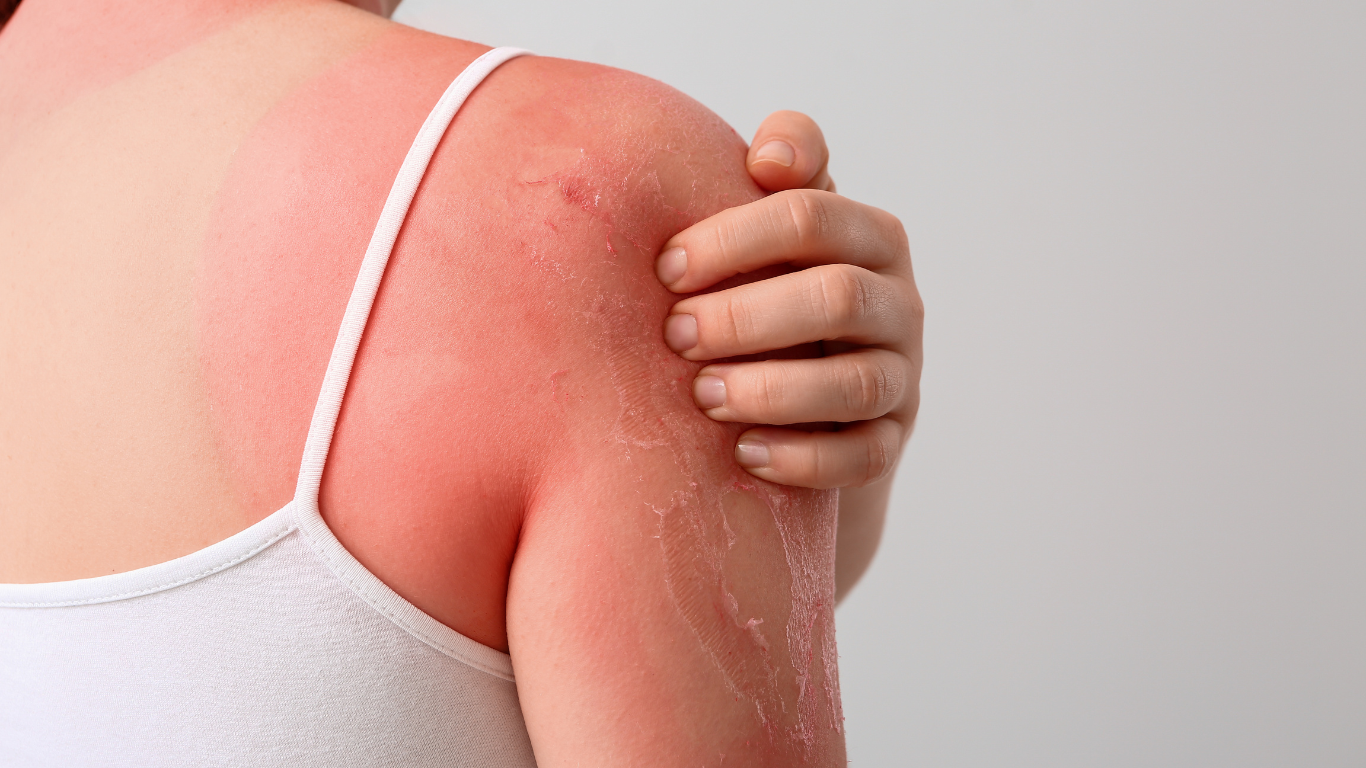
The number of melanoma skin cancer cases diagnosed annually in the United Kingdom has exceeded 20,000 for the first time, prompting renewed warnings from health experts about the dangers of excessive exposure to ultraviolet (UV) radiation from the sun and sunbeds.
According to Cancer Research UK, the sharp rise in cases highlights growing concerns over preventable skin damage, with the charity estimating that nearly 90 percent of melanoma diagnoses could be avoided through better sun protection and safer habits outdoors.
Melanoma is the most serious form of skin cancer and develops when pigment-producing cells in the skin begin to grow uncontrollably. While it is treatable if detected early, the disease can spread rapidly to other parts of the body if left unnoticed.
The warning comes as forecasters predict sunny weather across much of the UK during the bank holiday weekend, a period when many people are expected to spend extended time outdoors. Health officials are urging the public to take precautions, including using sunscreen with at least SPF 30 and a high UVA protection rating, covering exposed skin, and seeking shade during the hottest parts of the day.
Cancer Research UK stressed that anyone can suffer sun damage regardless of skin tone. While people with lighter skin are generally at higher risk of developing melanoma, the charity noted that darker skin tones are not immune to sunburn or skin cancer.
Medical experts also warned that visible sunburn is not the only indicator of damage. Skin can sustain harmful UV exposure even without redness or peeling, increasing the risk of long-term cellular damage that may eventually lead to cancer.
Michelle Mitchell, chief executive of Cancer Research UK, encouraged people to remain vigilant about changes in their skin and seek medical advice if they notice anything unusual.
“Take care when the sun is strong by seeking shade, covering up and applying sunscreen,” Mitchell said. “Whether it is a new or changing mole, a sore that doesn’t heal, or an area of your skin that looks out of the ordinary, it’s important to get it checked out.”
She added that early diagnosis remains one of the most important factors in successful treatment outcomes, emphasizing that many suspicious skin changes may turn out to be harmless but should still be examined by a doctor.
The rise in melanoma cases reflects a broader trend seen in several countries where increased recreational sun exposure, tanning culture, and the use of sunbeds have contributed to higher skin cancer rates over recent decades. Public health campaigns have increasingly focused on prevention, particularly among younger people who may underestimate the long-term effects of UV exposure.
Despite the growing number of diagnoses, health experts maintain that melanoma is one of the most preventable forms of cancer when proper precautions are taken. They continue to encourage regular skin checks and greater awareness of early warning signs as part of wider efforts to reduce future cases.