
Listeners:
Top listeners:
 play_arrow
 Cosoro Afrobeats UK's No.1 Afrobeats Radio Station
 play_arrow
 Cosoro Pidgin Na we bi di No.1 UK Pidgin Radio
 play_arrow
 Cosoro Evergreen UK's No.1 Radio for Timeless African Sounds


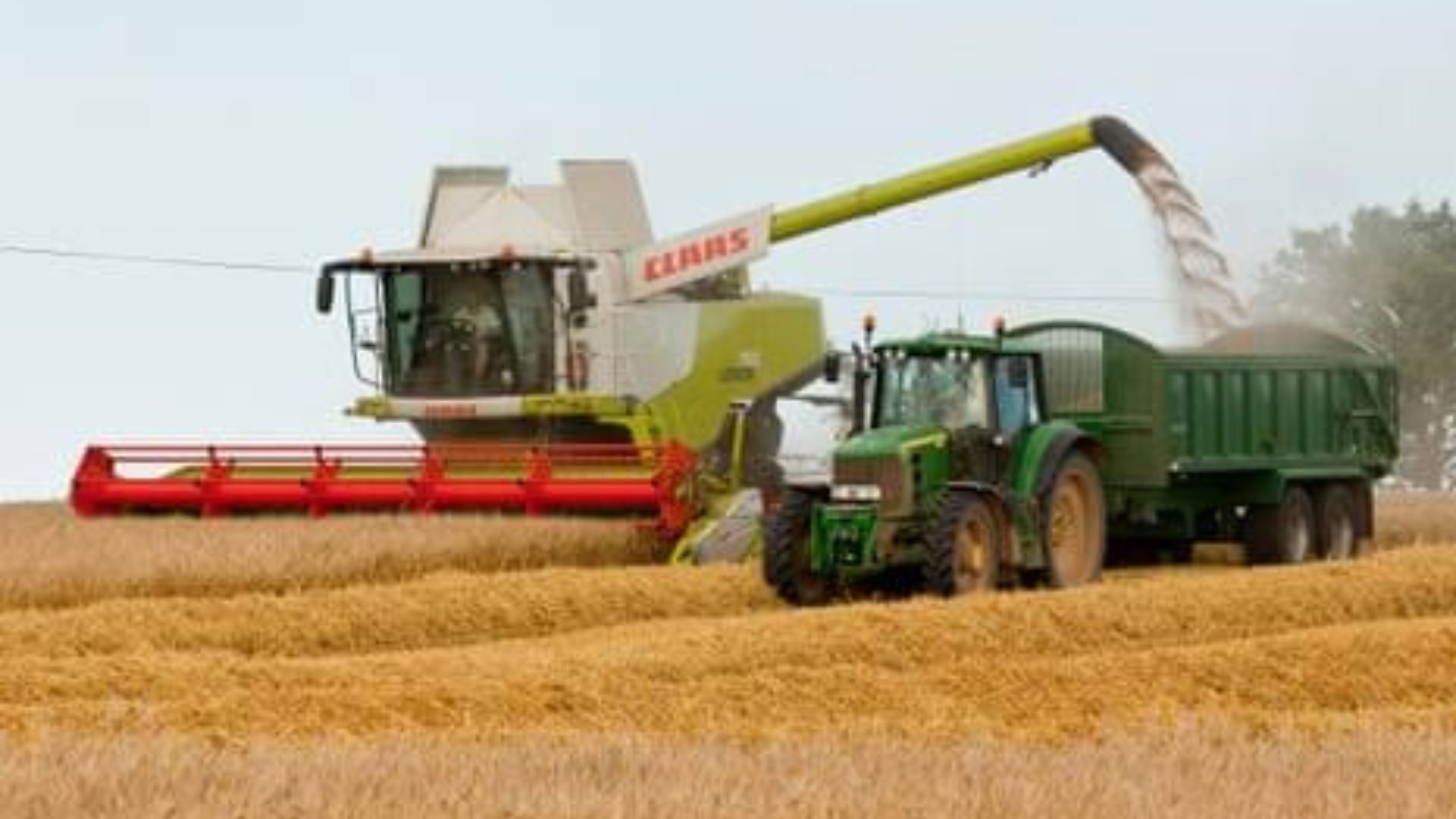
The United Kingdom is on course for what could become its worst harvest since records began in 1984, after months of extreme heat and drought devastated crops across the country. Farmers have described the season as “completely brutal,” warning that sharply reduced yields could increase food prices, deepen reliance on imports and expose weaknesses in Britain’s food security.
New analysis by the Energy and Climate Intelligence Unit (ECIU), based on harvest data from the Agriculture and Horticulture Development Board (AHDB), estimates that the UK’s cereals and oilseed harvest could fall to 19.5 million tonnes, around 2.5 million tonnes lower than earlier forecasts. The losses are expected to cost arable farmers up to £390 million, with wheat, barley and oat yields all well below their 10 year averages. Wheat yields currently average 6.8 tonnes per hectare, significantly below normal levels.
The exceptionally dry spring and one of the hottest summers on record have left fields parched across much of England. Southern England recorded its driest July on record, while prolonged heatwaves accelerated crop damage during critical growing periods. Farmers say many crops have matured too quickly or failed to develop properly, reducing both yield and quality. Some grain has reportedly been downgraded from milling quality, while other crops have become unsuitable even for animal feed.
The deteriorating harvest has reignited concerns over Britain’s dependence on imported food, with around 40% of the country’s food supply sourced from overseas. Farming organisations and security experts argue that food production should be treated as a matter of national security, warning that climate change, geopolitical instability and disruptions to global trade could make imports less reliable in future. They are calling for greater investment in water storage, drought resistant crops and agricultural resilience to help farmers adapt to increasingly extreme weather.
Scientists say climate change is making heatwaves and droughts more frequent and more intense, increasing the likelihood of poor harvests. Four of the UK’s five worst harvests have occurred during this decade, highlighting what experts describe as a worrying long term trend rather than a one-off event. Without stronger adaptation measures, they warn that Britain’s farming sector could face repeated production shocks, affecting food availability, rural livelihoods and consumer prices.
The bleak outlook has intensified calls for the government to place agriculture at the centre of its climate and economic strategy. While farmers continue harvesting what remains of this year’s crops, industry leaders say the challenge now extends beyond recovering from one difficult season to preparing for a future in which extreme weather may become the norm rather than the exception.