
Listeners:
Top listeners:
 play_arrow
 Cosoro Afrobeats UK's No.1 Afrobeats Radio Station
 play_arrow
 Cosoro Pidgin Na we bi di No.1 UK Pidgin Radio
 play_arrow
 Cosoro Evergreen UK's No.1 Radio for Timeless African Sounds


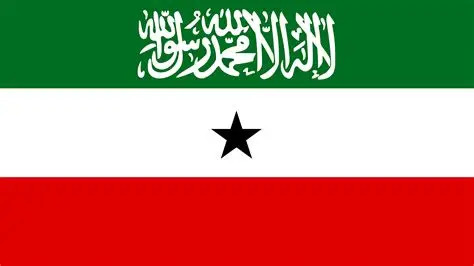
Thousands of people filled the streets of Hargeisa as Somaliland marked its Independence Day with renewed calls for international recognition, amid growing diplomatic momentum surrounding the self-declared republic’s decades-long quest for statehood.
Military parades, flag-waving celebrations, and cultural events took place across Somaliland on May 18, commemorating the territory’s 1991 declaration of independence from Somalia. During the celebrations, Somaliland President Abdirahman Mohamed Abdullahi urged the international community to formally recognize Somaliland as an independent nation, arguing that the territory has already demonstrated political stability, democratic governance, and security over more than three decades.
“The question Somaliland asks the world is no longer whether we deserve recognition, but rather: when will the rest of the world recognise the Republic of Somaliland?” the president said during the ceremony in Hargeisa.
Somaliland declared independence from Somalia in 1991 following the collapse of the Somali central government and years of civil war. Although it has operated as a self-governing territory ever since, with its own currency, military, elections, and institutions, it remains internationally recognized as part of Somalia by the United Nations, African Union, and most countries around the world.
This year’s celebrations carried added political significance after Israel became the first United Nations member state to formally recognize Somaliland in late 2025. The move marked a major diplomatic breakthrough for the territory and dramatically shifted international debate over Somaliland’s status.
Israel’s recognition, however, sparked strong backlash from Somalia, the African Union, and several Arab and Muslim-majority nations, all of which reaffirmed support for Somalia’s territorial integrity. Critics warned that unilateral recognition risked destabilizing the Horn of Africa and encouraging separatist movements elsewhere on the continent.
Somalia has consistently rejected Somaliland’s independence claims, insisting the region remains part of the Somali federal state. President Hassan Sheikh Mohamud previously criticized Israel’s recognition of Somaliland and accused foreign powers of interfering in Somalia’s sovereignty.
Despite lacking broad international recognition, Somaliland has built a reputation as one of the more stable territories in the Horn of Africa, contrasting sharply with Somalia’s long struggle against insurgency and political instability. Somaliland has held multiple elections, maintained relative internal security, and developed strategic infrastructure projects, including the expansion of the Berbera port along the Gulf of Aden.
The territory has also increasingly positioned itself as a strategic geopolitical partner. Earlier this year, Somaliland offered the United States access to mineral resources and military facilities as part of efforts to strengthen ties with Western powers and attract international recognition.
Regional tensions have also grown amid reports that Israel may seek a military presence in Somaliland, a development Somalia has strongly opposed due to fears the territory could become entangled in wider Middle East conflicts. Somaliland’s location along the Gulf of Aden gives it major strategic importance near one of the world’s busiest shipping routes.
As celebrations concluded in Hargeisa, Somaliland’s leadership signaled that its diplomatic campaign is far from over. While only one country currently recognizes its sovereignty, officials believe the latest developments could encourage more nations to reconsider Somaliland’s status after more than three decades in political limbo.