Listeners:
Top listeners:
 play_arrow
 Cosoro Afrobeats UK's No.1 Afrobeats Radio Station
 play_arrow
 Cosoro Pidgin Na we bi di No.1 UK Pidgin Radio
 play_arrow
 Cosoro Evergreen UK's No.1 Radio for Timeless African Sounds


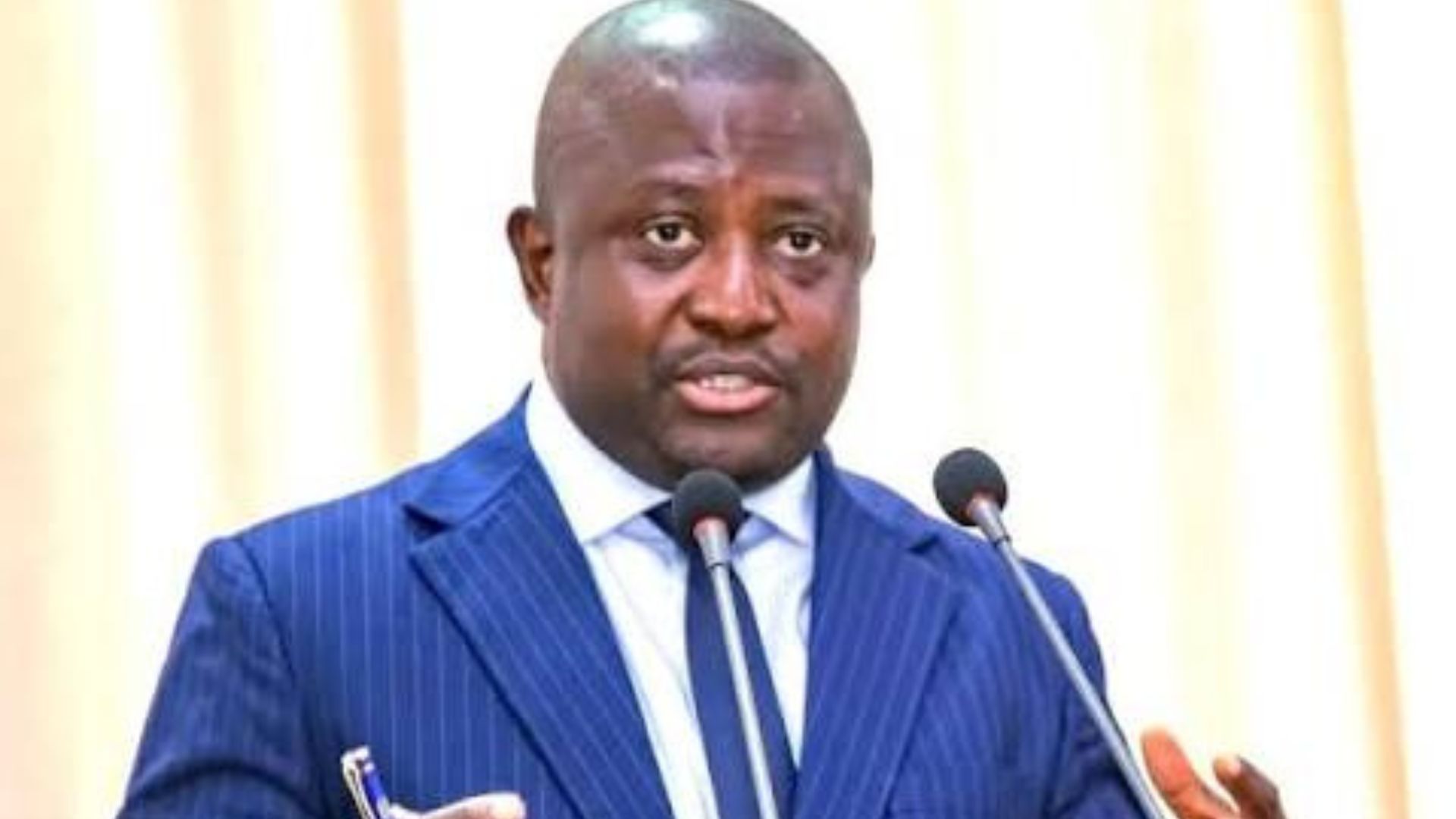
Sierra Leone’s parliament has approved a contested package of electoral reforms that will significantly change how the country elects its president and lawmakers ahead of the 2028 general election. The reforms include lowering the presidential victory threshold from the current 55% to 50% plus one vote, introducing a proportional representation system for parliamentary elections and establishing a 30% quota for women in political leadership positions.
The proposed changes have generated strong political debate, with supporters arguing that they will make the electoral system more representative and inclusive. The government has previously defended proportional representation as a way of improving national cohesion, increasing political participation and reducing tensions associated with winner takes all elections.
Under the new presidential threshold, a candidate would no longer need to secure more than 55% of the vote to win in the first round. Instead, receiving at least 50% plus one vote would be sufficient to secure the presidency. The parliamentary changes are also significant. Proportional representation is intended to allocate seats according to the share of votes received by political parties, potentially giving smaller parties a greater opportunity to gain representation. Sierra Leone used a proportional representation model in its 2023 parliamentary elections after the electoral system was changed from the previous first past the post arrangement.
However, the reforms have faced opposition from the All People’s Congress (APC), the country’s main opposition party. Critics have questioned whether changing major electoral rules so close to the next general election could create uncertainty and give an advantage to the governing Sierra Leone People’s Party (SLPP). Opponents have particularly challenged the proposed presidential threshold and proportional representation system. Yaki Sawyerr, a prominent opposition figure and mayor of Freetown, previously urged lawmakers to reject the proportional representation proposal and retain the existing 55% threshold.
The debate has at times become heated inside parliament, with reports of lawmakers exchanging blows during discussions over the proposed electoral system. The intensity of the disagreement reflects the political sensitivity surrounding changes to the rules that will determine the country’s next government. The reforms come as Sierra Leone prepares for its next presidential and parliamentary elections in 2028. President Julius Maada Bio and his government have presented the changes as part of a broader effort to strengthen democratic institutions and make elections more inclusive.
Supporters also argue that increasing women’s participation in politics is essential to creating a more representative government. The proposed 30% quota would require a significant increase in the number of women occupying political leadership positions.
Critics however, remain concerned about the timing and potential political consequences of the changes. They argue that electoral reforms should be based on broad political consensus and should not be perceived as benefiting any particular party. The parliamentary approval therefore marks only an important stage in the reform process. The changes will continue to attract scrutiny from political parties, civil society organisations and election observers as Sierra Leone moves towards the 2028 polls.
With the next election still two years away, the controversy surrounding the reforms is likely to remain a major issue in Sierra Leonean politics. The central question will be whether the new rules can command enough public and political confidence to ensure that the 2028 elections are viewed as credible, competitive and transparent.