
Listeners:
Top listeners:
 play_arrow
 Cosoro Afrobeats UK's No.1 Afrobeats Radio Station
 play_arrow
 Cosoro Pidgin Na we bi di No.1 UK Pidgin Radio
 play_arrow
 Cosoro Evergreen UK's No.1 Radio for Timeless African Sounds


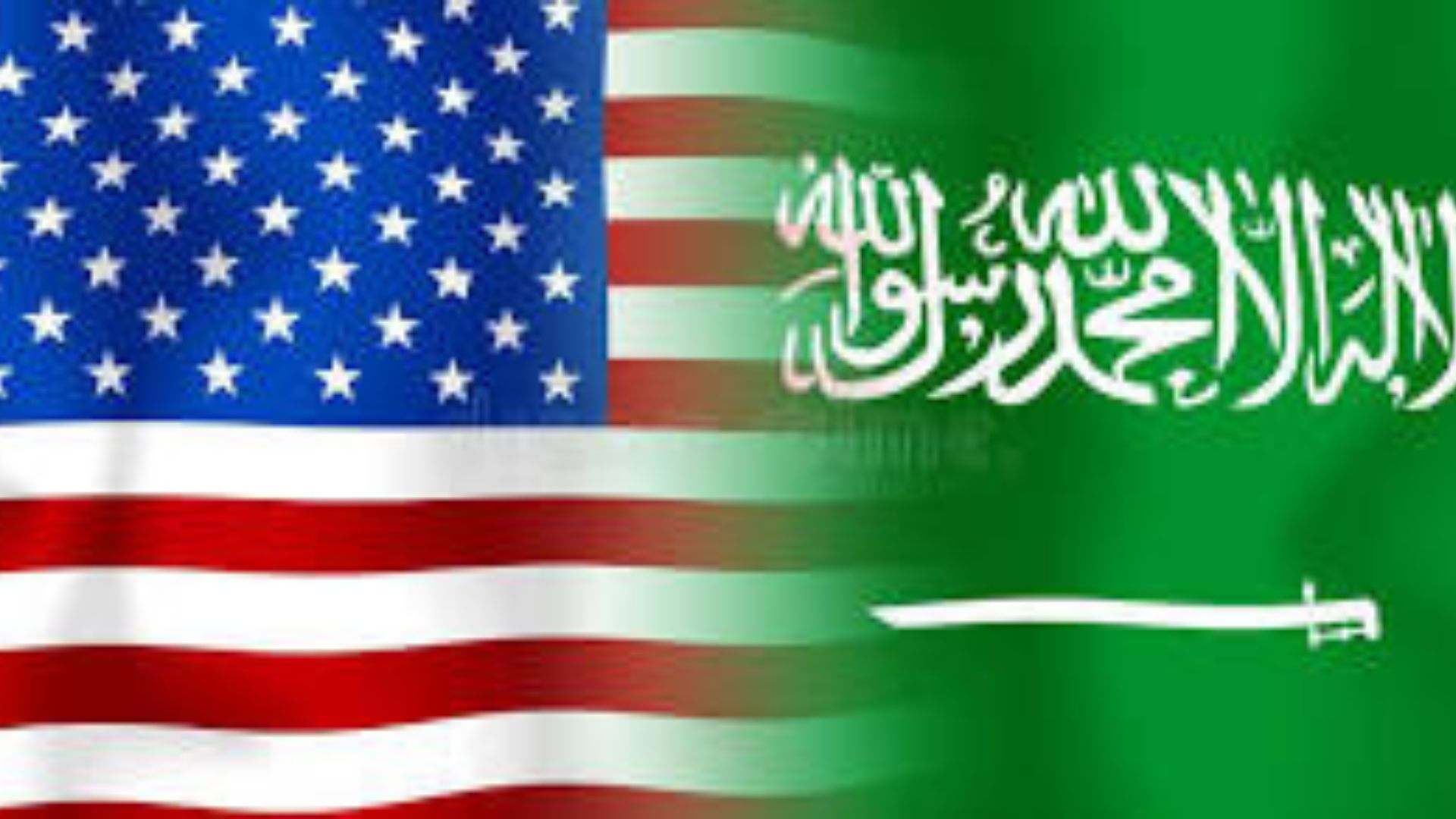
Saudi Arabia has joined the United States in carrying out airstrikes against Iran backed militias in Iraq, marking a significant escalation in the Middle East conflict and signalling a deeper military partnership between Washington and Riyadh. The coordinated strikes targeted militia facilities believed to have been used to launch attacks on U.S. forces and allied interests in the region.
According to officials, the operation focused on weapons depots, command centres and logistical bases linked to Iran backed armed groups operating in Iraq. The United States said the strikes were intended to weaken the militias’ ability to carry out further attacks, while Saudi Arabia described its participation as part of broader efforts to protect regional security and deter growing threats from armed proxy groups.
The joint operation comes amid heightened tensions following weeks of clashes involving Iran, the United States and their regional allies. Iran backed militias have been blamed for a series of missile and drone attacks on military installations hosting U.S. personnel, prompting Washington to intensify its military response. Saudi Arabia’s direct involvement represents a notable shift, as the kingdom has traditionally sought to avoid becoming openly involved in military operations inside Iraq.
Iran strongly condemned the strikes, accusing both Washington and Riyadh of violating Iraq’s sovereignty and further destabilising the region. Iraqi officials also expressed concern over military operations conducted on their territory, warning that continued foreign intervention could undermine the country’s security and complicate efforts to maintain stability.
The latest developments highlight the increasingly regional nature of the conflict. What began as a confrontation between the United States and Iran has evolved into a broader struggle involving regional powers, armed proxy groups and competing security interests. Analysts warn that each new military action increases the risk of miscalculation, making diplomatic efforts to contain the crisis even more urgent.
While supporters of the operation argue that it was necessary to deter further attacks, critics fear it could provoke retaliatory strikes and deepen instability across the Middle East. With tensions remaining high, attention is now turning to whether diplomatic channels can prevent the conflict from expanding into a wider regional war.