

Listeners:
Top listeners:
 play_arrow
 Cosoro Afrobeats UK's #1 Afrobeats Radio Station
 play_arrow
 Cosoro Pidgin Na we bi di #1 UK Pidgin Radio
 play_arrow
 Cosoro Evergreen UK's #1 Radio for Timeless African Sounds


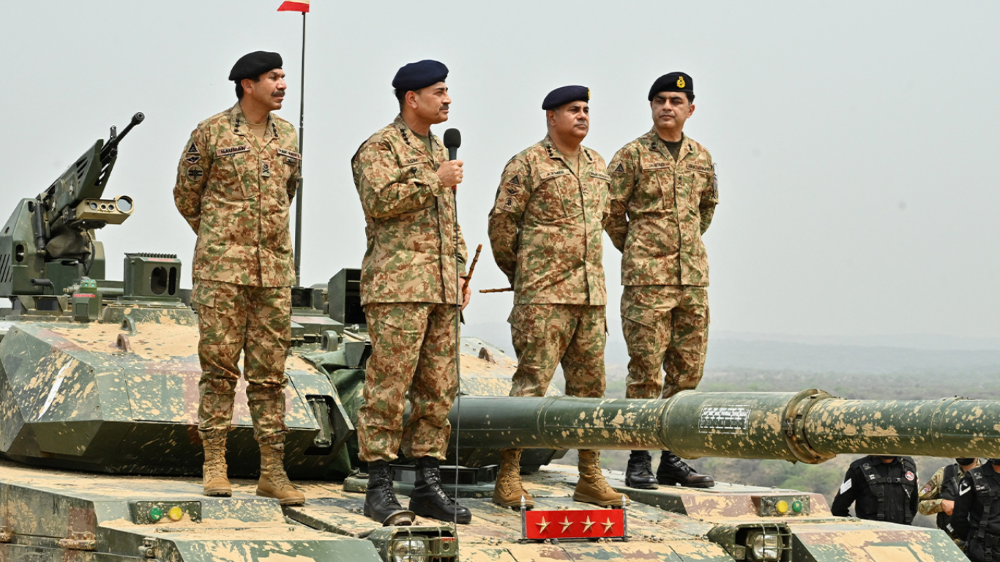
Pakistan has introduced its biggest overhaul of the country’s military command structure in five decades, giving its top military officer operational authority over the army, navy and air force while raising fresh questions about the balance between civilian and military power.
The changes were finalised in August 2026, when parliament approved the Defence Forces of Pakistan Act, 2026, alongside amendments to the National Command Authority Act. The legislation formally established the position of Chief of Defence Forces (CDF), created under Pakistan’s 27th Constitutional Amendment in November 2025.
At the centre of the new structure is Field Marshal Asim Munir, who serves as both Chief of Army Staff and Chief of Defence Forces. The CDF now has operational command and control of the armed forces, with a new Defence Forces Headquarters established under his authority.
The reform marks a major change from the system introduced in 1976. The former Chairman of the Joint Chiefs of Staff Committee mainly served as a coordinator and adviser, while the army, navy and air force chiefs retained command of their individual services. Under the new structure, the chain of command runs from the prime minister to the CDF and then to the individual service chiefs.
The restructuring comes more than a year after Pakistan’s four-day conflict with India in May 2025. The government says the reforms are intended to improve coordination and integration between the three military services and strengthen joint operations.
The previous command system was created partly in response to lessons from Pakistan’s 1971 war, when weaknesses in coordination between the services became a major concern. The Joint Chiefs of Staff structure was established in 1976 under Prime Minister Zulfikar Ali Bhutto, but its chairman never held direct operational command over the three services.
The new arrangement has raised concerns about the growing influence of the army. The commander of the National Strategic Command must now come from the army and will be appointed on the CDF’s recommendation, excluding the navy and air force from the position.
The reforms also affect Pakistan’s nuclear command structure. The National Command Authority remains chaired by the prime minister, with the CDF serving as deputy chairman. Pakistan has also established an Army Rocket Force Command for conventional missile operations.
Civilian oversight remains one of the most sensitive issues. Critics argue that concentrating greater authority in the CDF could strengthen military influence over elected institutions, while supporters say the reforms simply formalise the structure established by the constitutional amendment.
The changes are particularly significant given the military’s longstanding influence in Pakistani politics. The country has experienced four military coups and more than three decades of direct military rule. The new command structure could therefore have lasting implications for the relationship between Pakistan’s civilian government and its armed forces.