
Listeners:
Top listeners:
 play_arrow
 Cosoro Afrobeats UK's #1 Afrobeats Radio Station
 play_arrow
 Cosoro Pidgin Na we bi di #1 UK Pidgin Radio
 play_arrow
 Cosoro Evergreen UK's #1 Radio for Timeless African Sounds


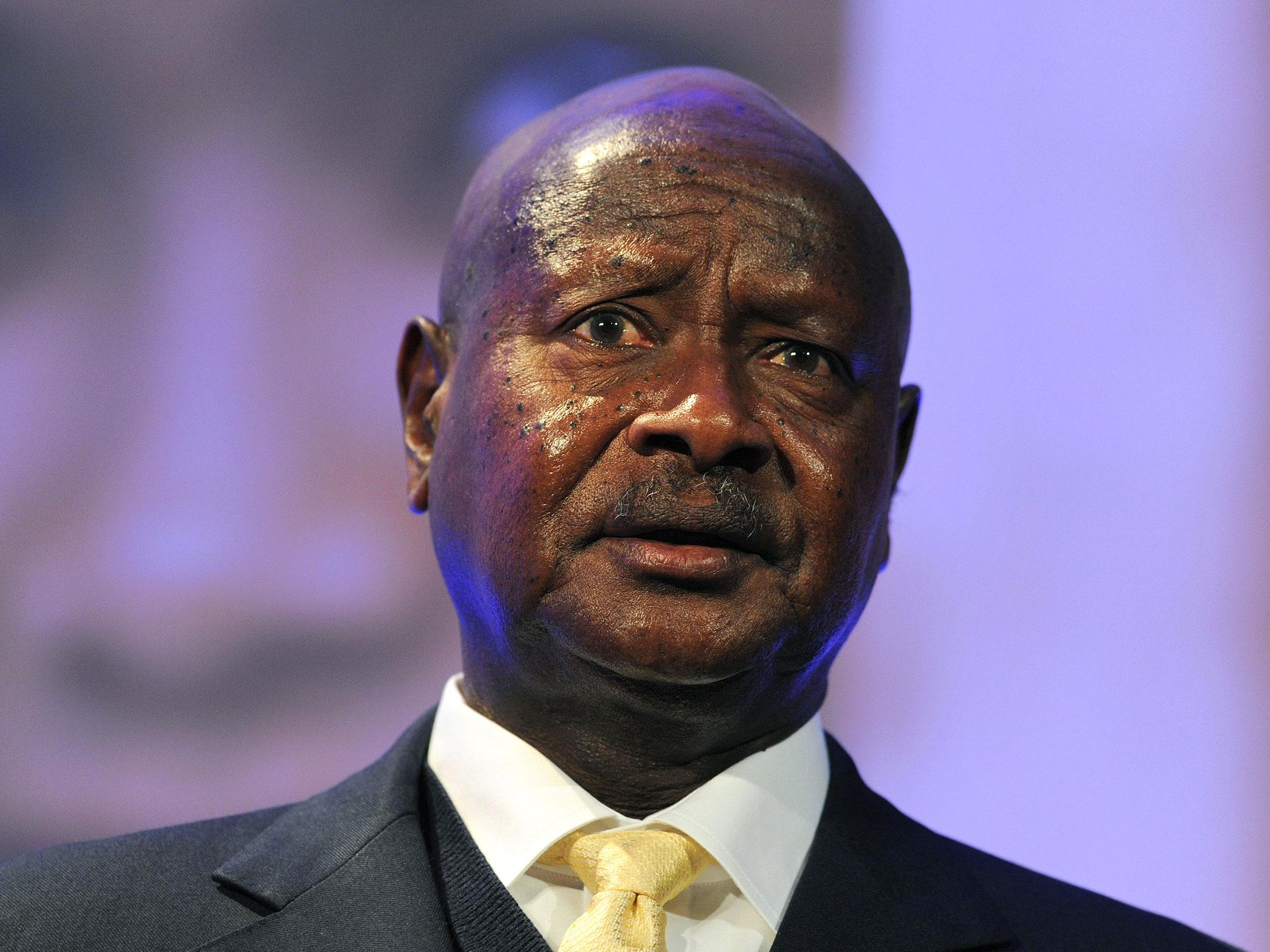
Ugandan President Yoweri Museveni has been sworn in for a record seventh consecutive term, extending his nearly four-decade rule and cementing his position as one of Africa’s longest-serving leaders.
The 81-year-old leader took the oath of office during a heavily guarded inauguration ceremony at the Kololo Independence Grounds in Kampala on Tuesday, months after securing a landslide victory in disputed January elections.
Museveni, who first seized power as a rebel leader in 1986, told thousands of supporters gathered at the event that Uganda was entering a new phase of economic transformation and national development.
“This should be a time for no more sleep for all Ugandans,” Museveni declared during his inaugural speech. He urged citizens to focus on creating wealth, generating jobs, and building on what he described as four decades of progress in peace, infrastructure, and stability.
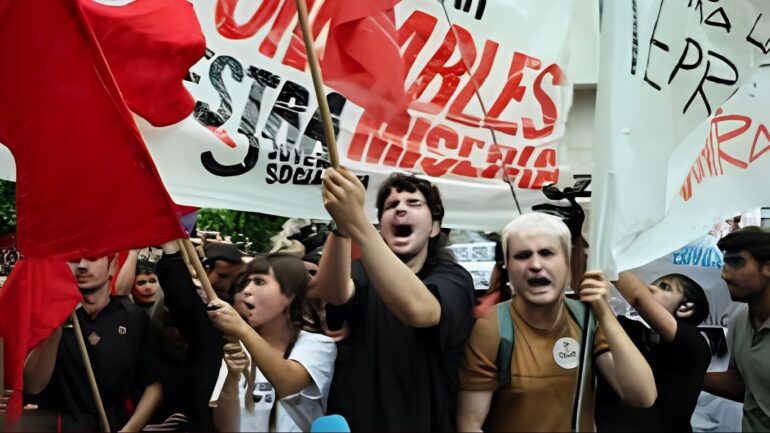
The Electoral Commission announced earlier this year that Museveni had won more than 70% of the vote, securing another five-year mandate that will keep him in office until at least 2031. However, the election result has been strongly contested by opposition groups and international observers who raised concerns over intimidation, arrests, and restrictions on political freedoms during the campaign period.
Museveni’s main challenger, opposition leader Bobi Wine, rejected the outcome, accusing authorities of widespread electoral fraud, including ballot stuffing and voter suppression. Election officials denied the allegations and insisted the vote was conducted fairly.
Bobi Wine, whose real name is Robert Kyagulanyi Ssentamu, later fled Uganda after claiming his life was in danger. The 44-year-old former pop star said he feared that “the regime wanted to eliminate me,” allegations the government has dismissed.
The political rivalry between Museveni and Bobi Wine has become symbolic of a broader generational divide in Uganda. While Museveni portrays himself as the guarantor of stability and economic growth, younger Ugandans have increasingly rallied behind opposition figures demanding democratic reforms, accountability, and an end to long-term rule.
During the inauguration, Museveni defended his leadership record, pointing to improvements in roads, electricity, healthcare, and security since taking power nearly 40 years ago. He also emphasized Uganda’s plans to begin large-scale oil production, describing the sector as critical to accelerating economic growth and reducing poverty.
“We must protect what has been achieved, correct what still needs improvement and move forward together as one country,” he said.
Uganda’s government declared the inauguration day a public holiday, allowing supporters from across the country to travel to Kampala for the event. Crowds waving national flags and ruling party colours filled the ceremony grounds as musicians and military bands performed before the swearing-in.
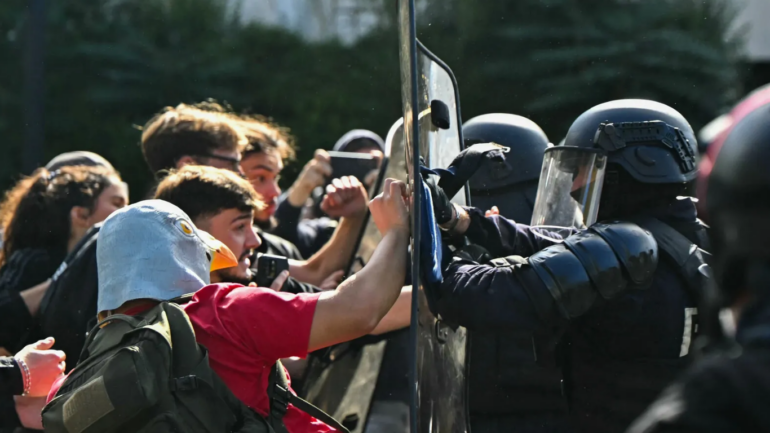
Despite the celebratory atmosphere among government supporters, critics say Museveni’s continued rule reflects a shrinking democratic space in Uganda. Human rights organizations have repeatedly accused security forces of targeting opposition activists, journalists, and protesters, especially during election periods.
Museveni joins a small group of African leaders who have remained in power for more than four decades, including Cameroon’s Paul Biya, Equatorial Guinea’s Teodoro Obiang Nguema, and Congo-Brazzaville’s Denis Sassou Nguesso.