
Listeners:
Top listeners:
 play_arrow
 Cosoro Afrobeats UK's #1 Afrobeats Radio Station
 play_arrow
 Cosoro Pidgin Na we bi di #1 UK Pidgin Radio
 play_arrow
 Cosoro Evergreen UK's #1 Radio for Timeless African Sounds


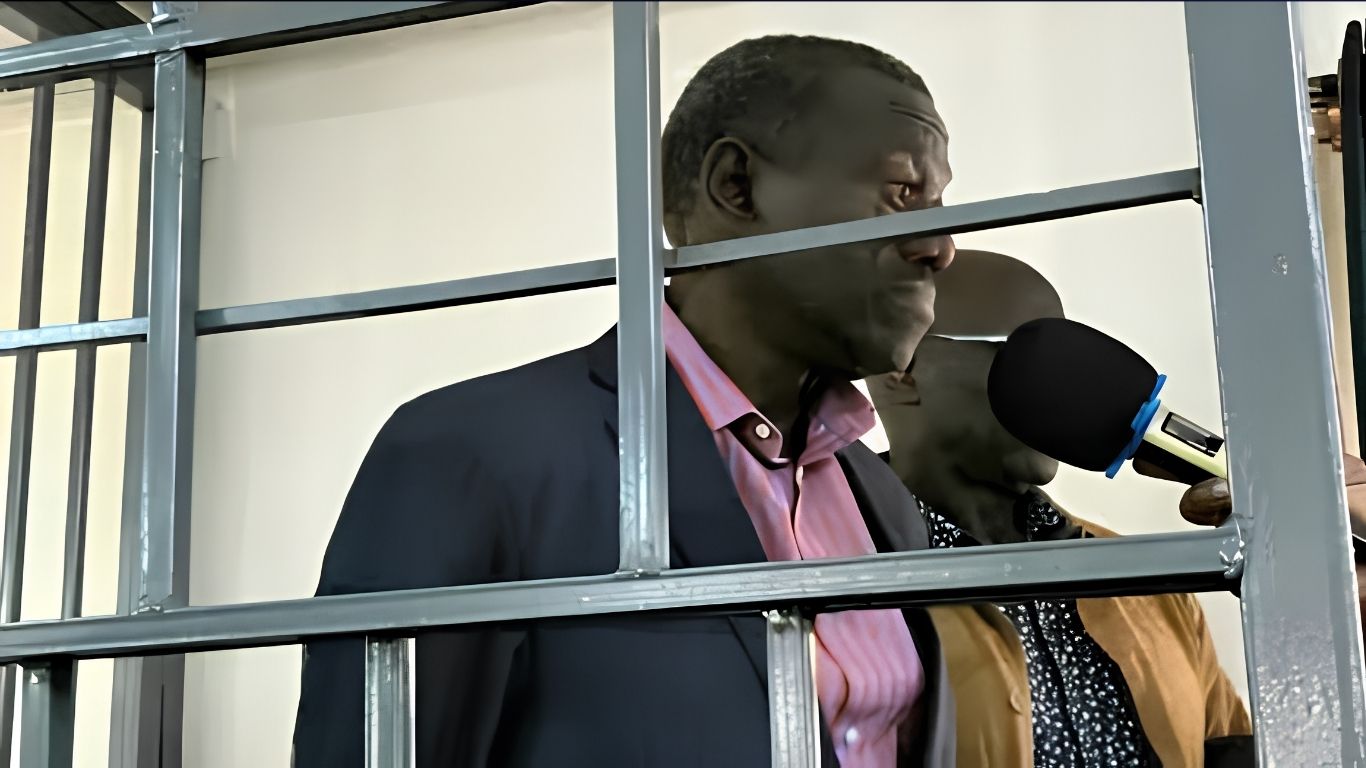
Questions are mounting over Kenya’s alleged involvement in the treatment of Ugandan opposition figures and activists, with campaigners warning that political repression in East Africa is increasingly crossing national borders. The concerns come against a wider backdrop of pressure on Uganda’s opposition following the disputed 2026 presidential election, which returned President Yoweri Museveni to power for a seventh term. Opposition leader Bobi Wine, whose real name is Robert Kyagulanyi Ssentamu, has since left Uganda and continued his political activities from exile in the United States.
Activists argue that Kenya has become part of a broader regional pattern in which governments cooperate, directly or indirectly, to restrict opposition politicians and those who publicly support them. Their concerns are particularly focused on the treatment of Ugandan opposition figures and Kenyan activists who have travelled across the border to support Wine and his National Unity Platform. The controversy is not entirely new. In 2025, Kenyan activists Bob Njagi and Nicholas Oyoo disappeared after attending a campaign event for Wine in Uganda. They had travelled from Kenya to support the opposition leader before being detained by armed men near Kampala. Their whereabouts were initially unknown, prompting accusations of cross-border repression.
The incident was part of a series of cases that raised concerns about the treatment of political activists in the region. Ugandan opposition figures have also faced arrests and disappearances, while critics have accused security agencies of using intimidation to weaken political opposition. Wine’s own experience has become a symbol of those concerns. After Uganda’s January 2026 election, he went into hiding amid an alleged security operation against him before eventually leaving the country. He has said he fled because he feared for his life. In an August interview with Le Monde, Wine alleged that Muhoozi Kainerugaba, Museveni’s son and Uganda’s military chief, had publicly threatened him. Those allegations have added to international scrutiny of Uganda’s treatment of its opposition.
The situation has also drawn attention to the possibility of what activists describe as transnational repression governments or security networks pursuing political opponents beyond their own borders. Previous cases involving Kenya, Uganda and Tanzania have fuelled fears among civil society groups that activists may no longer be safe simply because they cross a national boundary. For Kenya, the allegations are politically sensitive. The country has traditionally presented itself as one of East Africa’s more open political environments, but recent incidents involving the detention and alleged abduction of activists have raised questions about the treatment of dissent at home as well as its relationships with neighbouring governments.
The accusations come at a time when Kenya itself is facing scrutiny over the conduct of its security forces. In August, police in Nairobi used tear gas against traders protesting an increase in import duties, illustrating the continuing tensions between the government and sections of civil society. For observers, the bigger concern is what these incidents could mean for democratic space across East Africa. If governments begin sharing security practices or cooperating in ways that make it easier to pursue critics across borders, activists argue that political repression could become harder to challenge and increasingly difficult for victims to escape.