



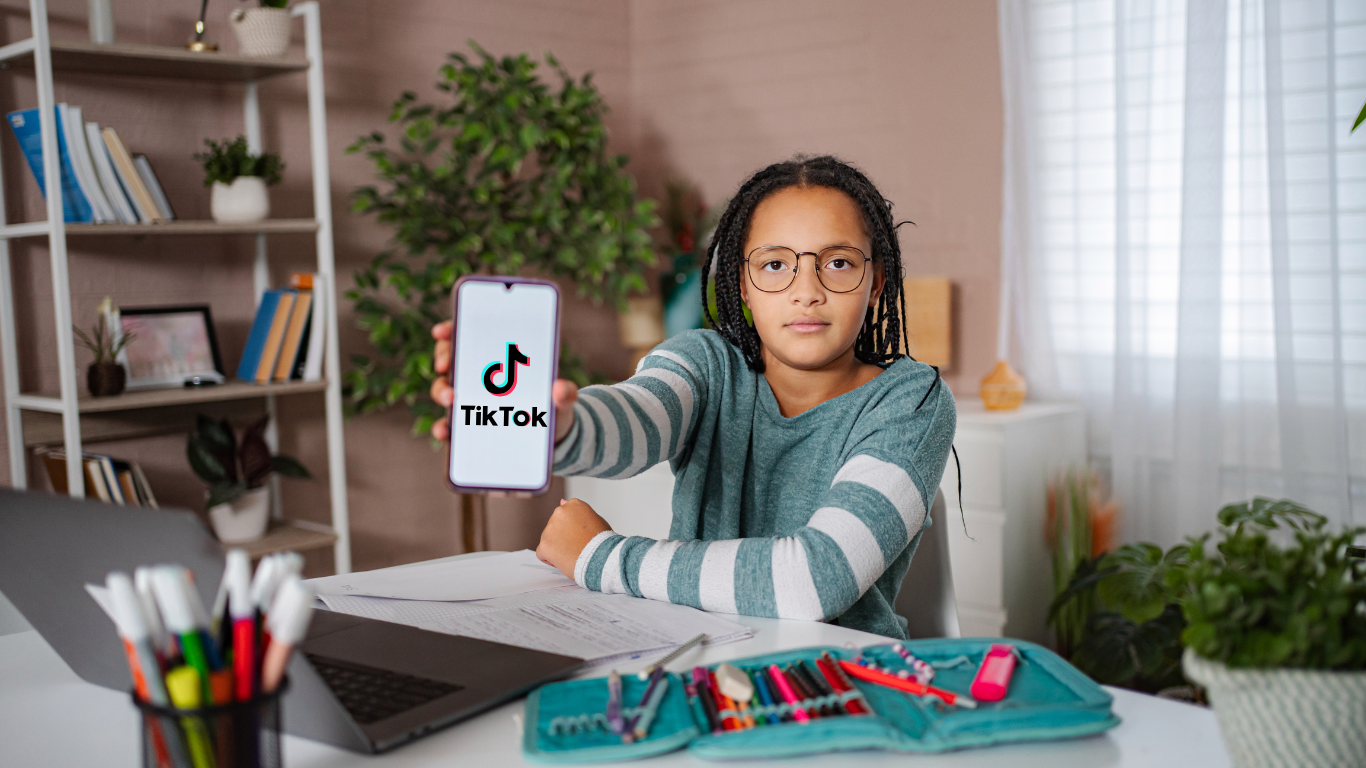
In the past decade, African music has expanded from regional dominance to global influence. While streaming platforms and diaspora communities played an early role, few tools have reshaped the promotion landscape as dramatically as TikTok. The short-form video app has not only changed how African music is consumed, but also how it is discovered, marketed, and propelled onto the world stage.
Traditionally, music promotion across many African markets relied heavily on radio rotation, television appearances, club DJs, and costly media campaigns. For emerging artists without label backing, breaking through often required significant financial investment or insider access. TikTok has disrupted that model by shifting power toward audiences. A 15-second clip attached to a compelling dance, meme, or storytelling moment can push an unknown song into millions of feeds overnight. Instead of labels dictating hits, users now participate directly in creating them.
One of the most striking examples of this shift is the resurgence of older tracks. Nigerian artist Skales saw renewed global attention for his song “Shake Body” years after its original release, driven largely by TikTok trends. Similarly, folkloric sounds like “Gwo Gwo Ngwo” by Mike Ejeagha found new audiences as creators incorporated the track into comedic and cultural content. In both cases, the platform acted as a digital time machine, reviving catalog music and introducing it to younger, international listeners.
Beyond reviving old hits, TikTok has become a launchpad for new genres and movements. Afrobeats, already rising globally, accelerated its reach through viral challenges and influencer participation. Amapiano, born in South Africa’s townships, transformed from a local house subgenre into a worldwide sound partly because of dance routines that spread rapidly across TikTok. The platform’s algorithm does not prioritize geography in the same way traditional media once did; a dance trend originating in Lagos or Johannesburg can gain traction in London, New York, or São Paulo within days.
This borderless exposure has profound implications. African artists no longer need to tailor their sound to Western industry expectations to achieve global recognition. Authentic local slang, rhythms, and storytelling resonate because TikTok rewards engagement, not conformity. Cultural specificity becomes an advantage rather than a barrier.
Equally important is the democratization of promotion. Independent artists can now compete on a more level playing field with established acts. A creative visual concept, strategic influencer collaboration, or organic user adoption can outperform expensive marketing campaigns. In many African countries where access to mainstream media is limited or centralized, this digital openness creates new pathways to visibility. Fans effectively become marketing teams, using songs as soundtracks to their own creativity.
Recognizing this influence, TikTok has expanded tools designed specifically for musicians. Features such as artist analytics dashboards and performance insights allow creators to track engagement, audience demographics, and trending sounds. This data-driven approach enables African artists to plan releases more strategically, align TikTok campaigns with streaming rollouts, and identify emerging markets for touring and collaborations. Promotion is no longer guesswork; it is measurable and adaptive.
Perhaps most transformative is the shift in artist-fan relationships. Unlike traditional promotion, which often felt one-directional, TikTok fosters interaction. Artists respond to dance challenges, duet with fans, comment on user videos, and host live sessions. This builds community and loyalty, turning passive listeners into active supporters. In markets where grassroots support has always been central to music culture, the platform digitizes and amplifies that communal spirit.
Of course, the TikTok model also introduces new pressures. Songs are increasingly crafted with “viral moments” in mind catchy hooks, danceable breaks, or quotable lyrics designed for short clips. While this can spark creativity, it may also encourage formulaic production aimed at algorithmic success. Still, the opportunity outweighs the risk for many artists navigating competitive industries with limited resources.
Ultimately, TikTok has redefined African music promotion by collapsing the distance between creator and audience, local and global, underground and mainstream. It has shifted influence away from gatekeepers and toward communities, allowing sounds rooted in African experience to travel farther and faster than ever before. In doing so, the platform has not just changed marketing strategies, it has reshaped the global journey of African music itself.