





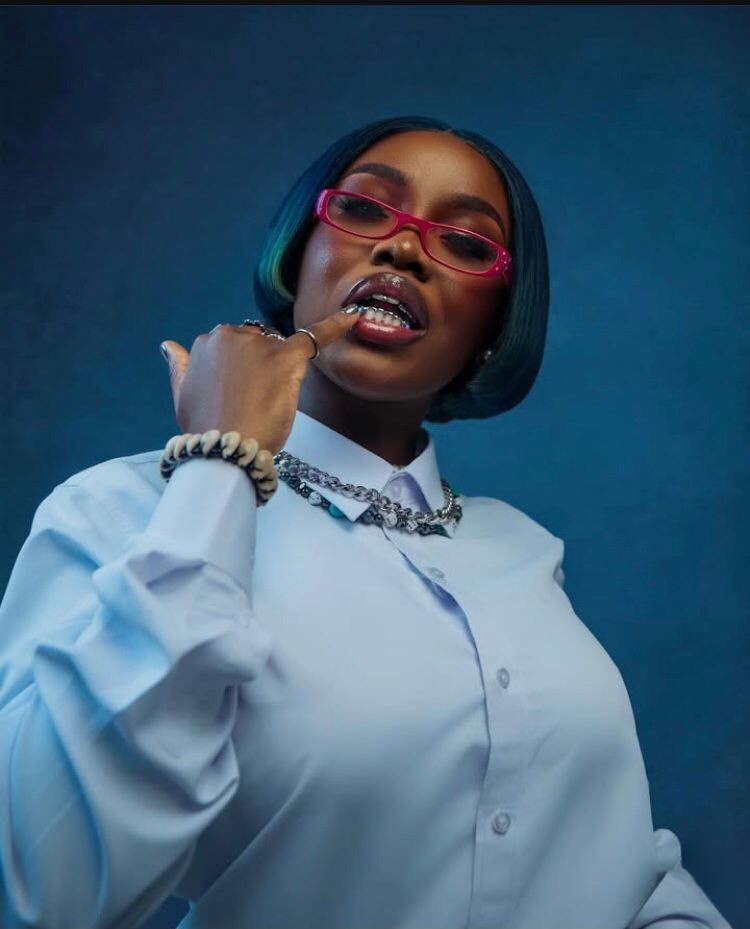
Ghanaian singer-songwriter Gyakie has publicly honoured the late highlife great Ebo Taylor, crediting him with helping shape her musical identity in an emotional interview on BBC Focus on Africa. Reflecting on his profound influence, she linked her own rise in contemporary Afro-fusion and highlife-infused pop to the rhythms and melodies that defined her childhood and Ghana’s musical heritage.
In the interview, Gyakie spoke about the deep imprint Taylor left on her creative sensibilities, explaining that his music was part of her earliest sonic memories. “My dad used to play his music when we were young,” she told the BBC, describing Taylor’s work as “inclusive” and integral to her upbringing. She acknowledged that hearing of his passing moved her deeply, saying while Taylor might no longer be with us, his music will “live with us forever.”
Ebo Taylor, who died at the age of 90 in February 2026, was widely respected as a towering figure in Ghana’s highlife genre and a world music pioneer whose reach extended far beyond the nation’s borders. Over a career spanning more than six decades, he fused traditional Ghanaian highlife rhythms with jazz, funk, soul and early afrobeat, helping shape a musical foundation that influenced generations of West African artists and genres. International acts and producers have sampled his work, while his approach to blending traditional and modern elements helped pave the way for contemporary Afro-fusion sounds.
For Gyakie, Taylor’s legacy represents not just a musical influence but a cultural inheritance. As Ghana’s music scene continues to evolve, artists like her are increasingly bridging the gap between traditional genres and modern global styles.
Taylor’s influence on modern Ghanaian music has been acknowledged by historians and musicians alike. Born in Cape Coast in the mid-20th century, he rose to prominence during the heyday of highlife and later expanded his sound through collaborations and explorations of new musical textures. His work as a bandleader, arranger and composer shaped not just his own generation but also the musical context into which artists like Gyakie were born.
Gyakie’s tribute on the BBC underscores the enduring power of highlife and the way Ghana’s musical heritage continues to inform contemporary African pop music. By honouring Taylor’s legacy, she not only pays respect to a pioneer but also highlights the threads that connect past and present in West Africa’s vibrant musical tapestry.