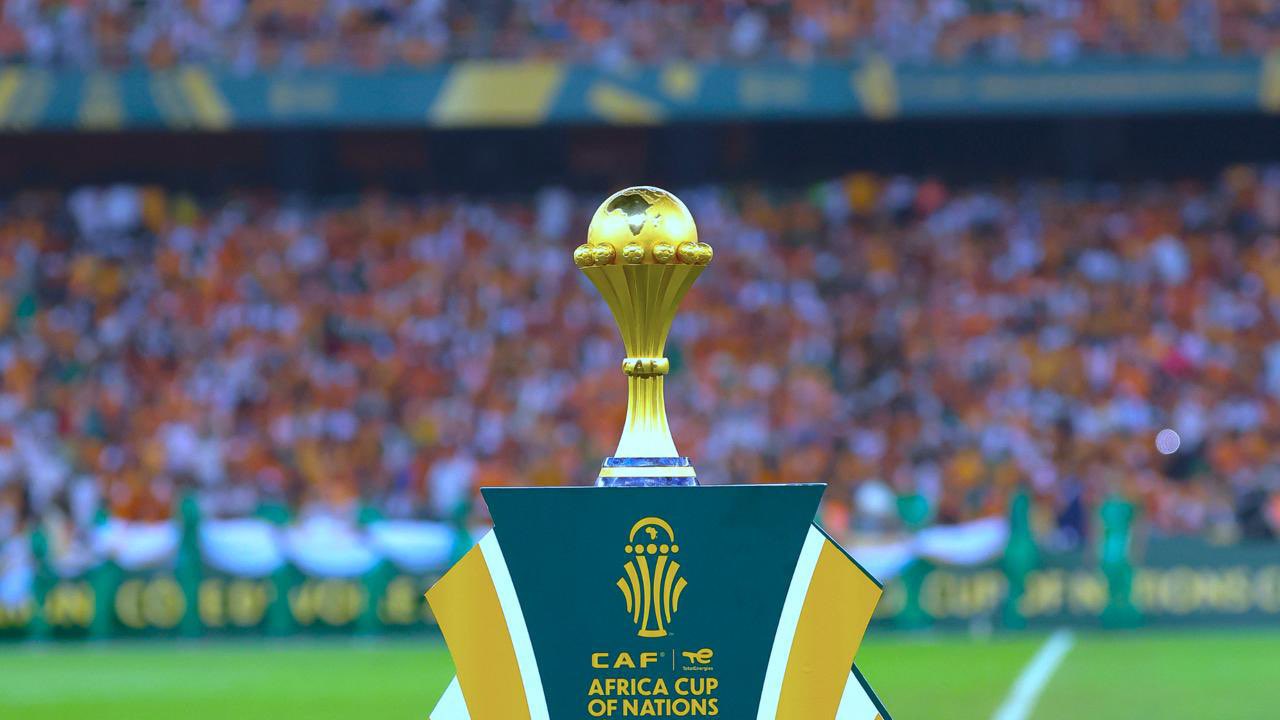
Guinea has called on the Confederation of African Football (CAF) to revisit one of the continent’s most debated tournaments, the 1976 Africa Cup of Nations (AFCON).
The demand comes in the wake of a recent and highly controversial CAF decision that stripped Senegal of the 2025 AFCON title, reigniting questions about fairness, consistency, and whether football history can or should be rewritten.
At the center of the controversy is CAF’s ruling to overturn the result of a recent AFCON final involving Senegal, citing a temporary player walkout despite the match being completed on the pitch. That decision has not only sparked outrage across the football world but has also opened the door for historical grievances to resurface. Guinea has seized this moment to argue that if modern matches can be reassessed and altered, then past tournaments especially those involving similar incidents should not be immune from scrutiny.
The Guinean Football Federation’s argument is rooted in events from the 1976 AFCON, hosted in Ethiopia. Unlike today’s knockout-style finals, the tournament used a round-robin format among the top four teams to determine the champion. In the decisive match between Guinea and Morocco, Guinea needed a win to secure the title, while Morocco required only a draw. Guinea took the lead through Chérif Souleymane, but Morocco equalized late in the game to secure a 1–1 draw and ultimately win the tournament.
However, Guinea now points to a key moment during that match: Moroccan players reportedly walked off the pitch in protest of a refereeing decision before later returning to continue the game. At the time, no punitive action altered the result, and Morocco went on to claim their first AFCON title.
Decades later, Guinea argues that CAF’s recent decision to penalize Senegal for a similar walkout creates a precedent that should apply retroactively. In their view, consistency demands that the 1976 incident be reassessed under the same principles. Their message is clear and symbolic: if rules can be enforced after the fact today, then justice should not be limited by time.
Yet, the situation is far from straightforward. Legal and sports governance experts caution that applying modern regulations to historical matches is deeply problematic. CAF’s current disciplinary codes—such as those used to sanction Senegal—did not exist in 1976, and retrospective enforcement across decades could create chaos in football records.
Beyond legal technicalities, the issue raises broader questions about the integrity and stability of sporting history. Football, like many sports, relies heavily on the finality of results. Reopening past competitions risks undermining decades of records, achievements, and narratives that define the game. If Guinea’s request were granted, it could trigger a wave of similar claims from other nations, potentially rewriting large portions of African football history.
At the same time, the controversy highlights growing dissatisfaction with CAF’s governance. The Senegal ruling has already sparked widespread debate about transparency, fairness, and consistency in decision-making. Guinea’s move amplifies those concerns, suggesting that the issue is not just about one match or one title, but about how African football is administered as a whole.
CAF has yet to issue an official response to Guinea’s request, leaving the football community in suspense. Whether the governing body chooses to engage with the appeal or dismiss it outright, the implications will be significant. A review could set a historic precedent, while a rejection might further fuel criticism over selective enforcement of rules.


 play_arrow
  play_arrow
  play_arrow