

Listeners:
Top listeners:
 play_arrow
Cosoro Afrobeats UK's #1 Afrobeats Radio Station
 play_arrow
Cosoro Pidgin Na we bi di #1 UK Pidgin Radio
 play_arrow
Cosoro Evergreen UK's #1 Radio for Timeless African Sounds


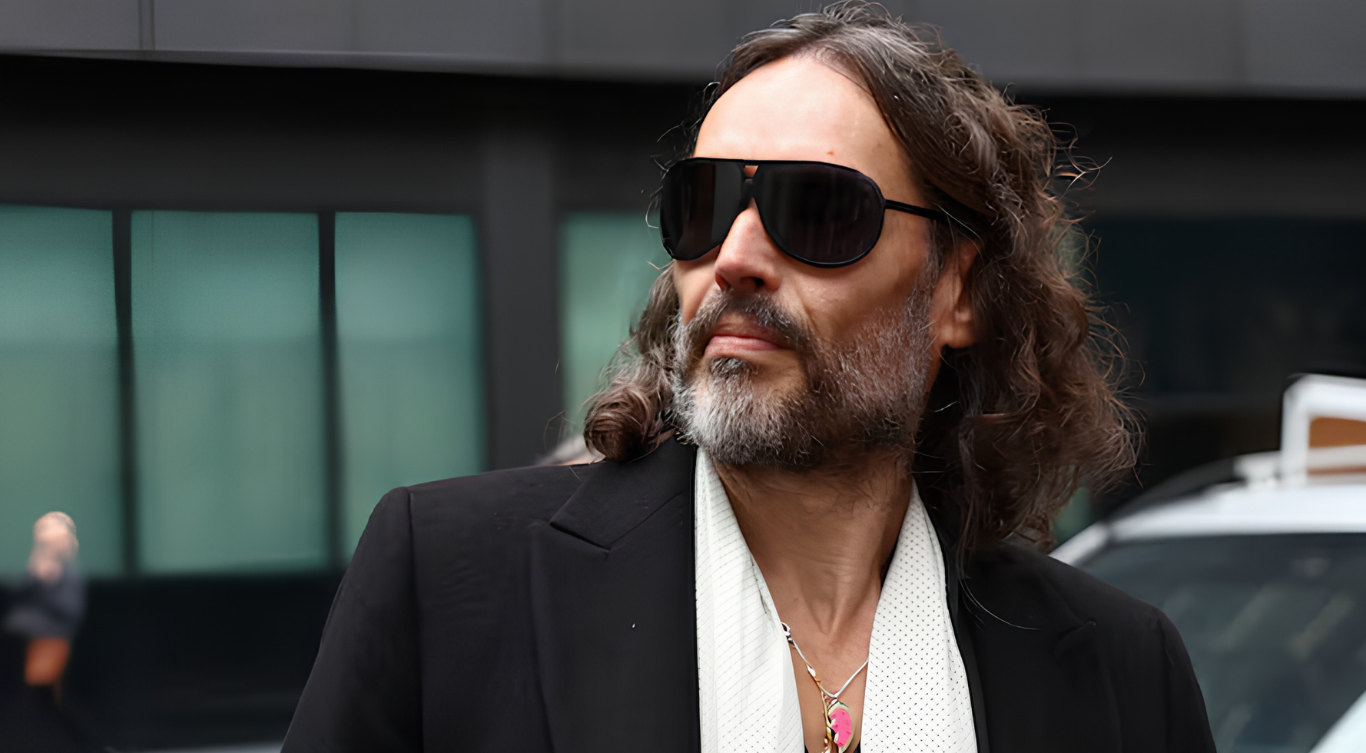
Image Credit: REUTERS
Google has reportedly rejected a request from the UK government to remove a YouTube video in which jailed comedian Russell Brand claims he is innocent of the offences for which he was convicted, despite concerns that the message could distress his victims.
The request was submitted by the Prison Service of England and Wales after Brand’s wife, Laura Gallacher, shared a video on their YouTube channel on Sunday, reading out a message from her husband. In the statement, Brand maintained that he was not guilty of the offences that led to his imprisonment.
Brand is currently serving a 10-and-a-half-year prison sentence after being convicted of one count of rape and three counts of sexual assault.
According to BBC reports, Google declined the government’s removal request, reportedly stating that the video did not breach its platform rules. However, the company said it was aware of the content and that its teams were investigating.
The Ministry of Justice said it was right to request the video’s removal because of the distress it could cause victims, adding that the final decision rested with YouTube under its own policies. Housing Minister Matthew Pennycook also urged Google to reconsider, describing the video as deeply harmful to victims.
The video has also prompted an investigation into whether Brand breached prison rules by communicating a public statement from behind bars. Downing Street previously described the message as appalling, while former safeguarding minister Jess Phillips questioned whether existing online safety regulations adequately protect victims.
Meanwhile, Meta has disabled Brand’s Instagram and Facebook accounts following his conviction. His YouTube channel, which was previously suspended from the platform’s Partner Programme in 2023, remains accessible.
The dispute has renewed debate over the responsibility of social media companies to moderate content involving convicted offenders and the limits of government authority over online platforms.