
Listeners:
Top listeners:
 play_arrow
 Cosoro Afrobeats UK's No.1 Afrobeats Radio Station
 play_arrow
 Cosoro Pidgin Na we bi di No.1 UK Pidgin Radio
 play_arrow
 Cosoro Evergreen UK's No.1 Radio for Timeless African Sounds


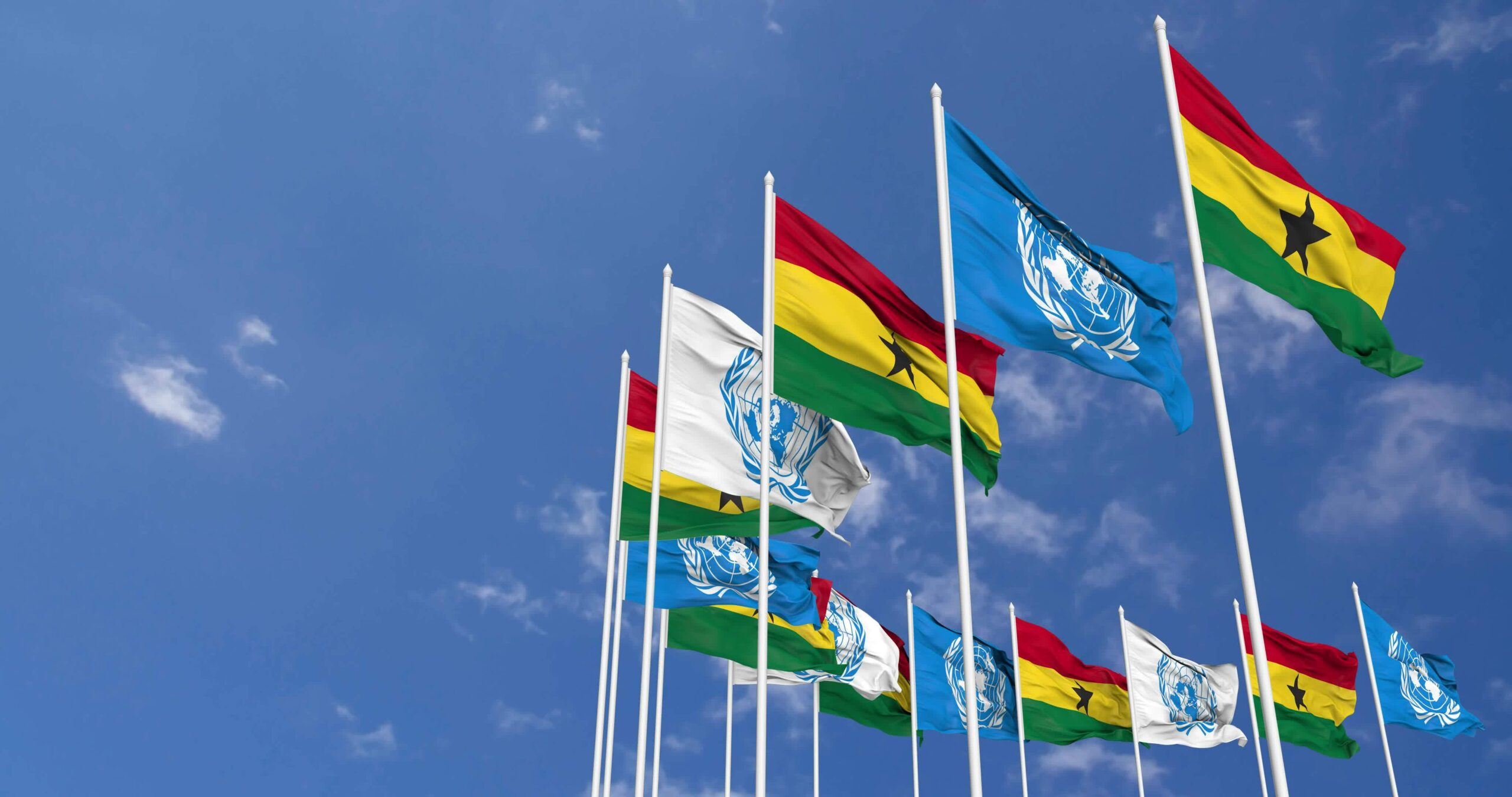
Ghana is leading a significant international push at the United Nations to formally recognize the transatlantic slave trade as a crime against humanity, marking a pivotal moment in the global conversation on historical justice. The proposed resolution, expected to be tabled before the UN General Assembly, seeks not only acknowledgment of one of history’s greatest atrocities but also to open the door to meaningful discussions on reparations and long-term accountability.
The initiative is being championed by Ghana in its role as the African Union’s lead on reparations, with strong backing from regional and international partners, including the Caribbean Community (CARICOM) and a coalition of Global South nations. The resolution is strategically timed to coincide with the International Day of Remembrance of the Victims of Slavery and the Transatlantic Slave Trade, underscoring its symbolic and historical importance.
At the heart of the proposal is a demand for the global community to move beyond acknowledgment toward concrete action. While the United Nations previously recognized the slave trade as a crime against humanity in the 2001 Durban Declaration, Ghana’s latest effort aims to establish a more comprehensive and binding framework that addresses the enduring consequences of slavery. These include persistent economic inequality, racial injustice, and structural disadvantages that continue to affect people of African descent worldwide.
The transatlantic slave trade, which spanned several centuries, forcibly displaced millions of Africans and reshaped global economic and social systems. Its legacy remains deeply embedded in modern inequalities, making the call for reparatory justice increasingly urgent. Ghana’s proposal reflects decades of advocacy from African and Caribbean nations, which have consistently argued that the scale, duration, and brutality of slavery demand formal recognition and redress at the highest international level.
However, the push is not without controversy. Some countries, particularly in Europe, have expressed reluctance to support reparations, arguing that present-day governments should not be held accountable for historical actions. Despite this, momentum is building, with growing international support and renewed efforts by the African Union to coordinate a unified reparations strategy.
Ultimately, Ghana’s initiative represents more than a diplomatic effort—it is a moral appeal to the world. By seeking formal recognition of the slave trade as a crime against humanity, the country is urging the international community to confront the past honestly and take meaningful steps toward healing, justice, and a more equitable future.