
Listeners:
Top listeners:
 play_arrow
 Cosoro Afrobeats UK's No.1 Afrobeats Radio Station
 play_arrow
 Cosoro Pidgin Na we bi di No.1 UK Pidgin Radio
 play_arrow
 Cosoro Evergreen UK's No.1 Radio for Timeless African Sounds


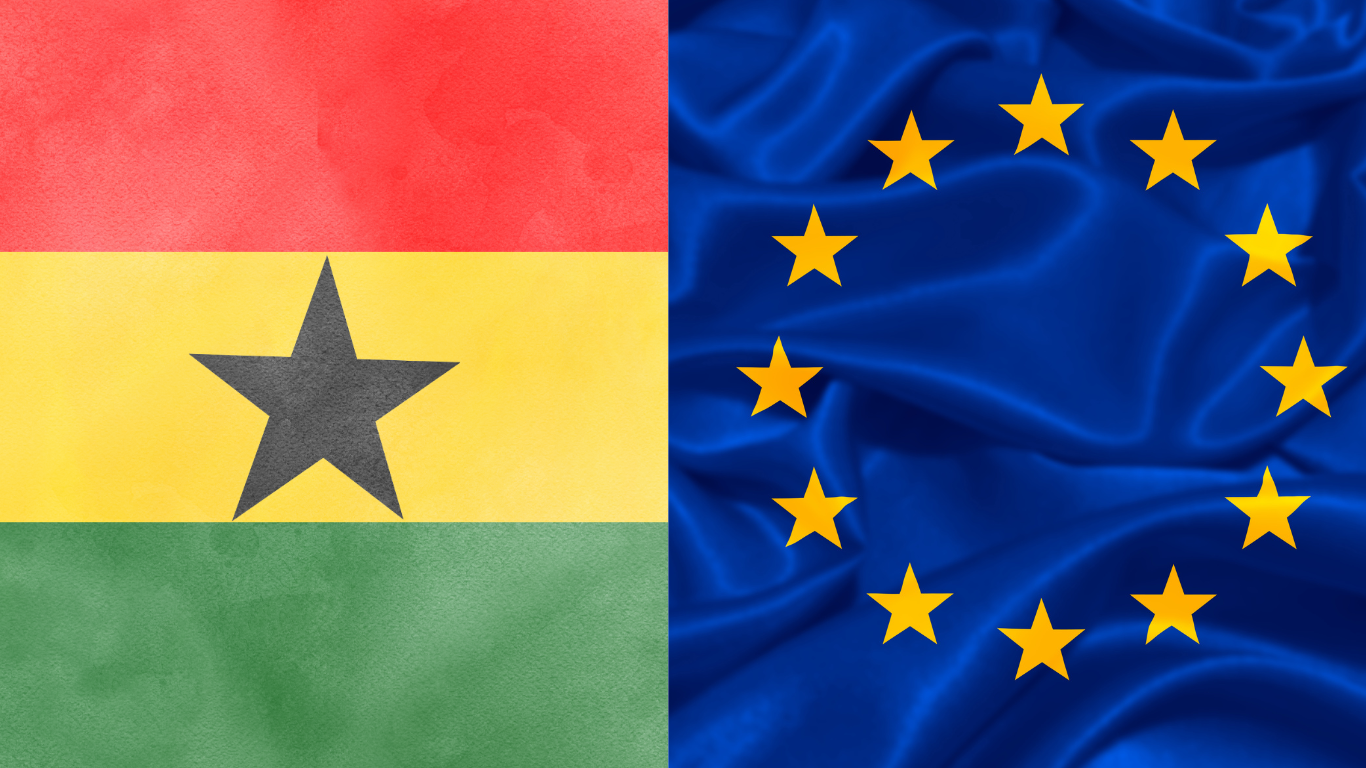
Ghana and the European Union have signed their first-ever formal security and defence partnership. The agreement, finalized in Accra, signals a strategic shift as coastal nations brace for the southward expansion of jihadist violence from the volatile Sahel region.
The pact, described as unprecedented, was signed by EU foreign policy chief Kaja Kallas and Ghanaian Vice President Jane Naana Opoku-Agyemang, marking a new phase in Africa-Europe security cooperation. It focuses on strengthening counterterrorism capabilities, enhancing intelligence sharing, and improving crisis response mechanisms—areas seen as critical as insecurity intensifies across the region.
The urgency behind the agreement is rooted in the deteriorating security situation in the Sahel, where extremist groups linked to al-Qaeda and the Islamic State have expanded their reach. Countries such as Burkina Faso, Mali, and Niger have become epicenters of violence, accounting for a significant share of global terrorism-related deaths in recent years. These developments have raised fears that coastal West African nations, including Ghana, Benin, and Togo could become the next frontier for militant activity.
The EU’s support under the new partnership is both strategic and material. Since 2023, the bloc has already provided around €50 million in assistance to Ghana, funding advanced communication systems, patrol boats, and border security enhancements. The latest agreement expands that support to include surveillance drones, anti-drone equipment, and mobility assets such as motorcycles to improve rapid response capabilities. These tools are expected to significantly boost Ghana’s ability to monitor and secure its northern borders.
Beyond military hardware, the partnership reflects a broader geopolitical recalibration. For the European Union, instability in West Africa is not just a regional issue but one with direct implications for Europe, including migration pressures and transnational security threats. By strengthening partnerships with relatively stable countries like Ghana, the EU aims to build a buffer against the spread of extremism.
The Ghana-EU pact, therefore, represents both an opportunity and a test. It offers a chance to strengthen preventive security measures and reinforce regional stability, but its success will depend on how effectively it integrates military efforts with broader socio-economic strategies.