

Listeners:
Top listeners:
 play_arrow
 Cosoro Afrobeats UK's No.1 Afrobeats Radio Station
 play_arrow
 Cosoro Pidgin Na we bi di No.1 UK Pidgin Radio
 play_arrow
 Cosoro Evergreen UK's No.1 Radio for Timeless African Sounds


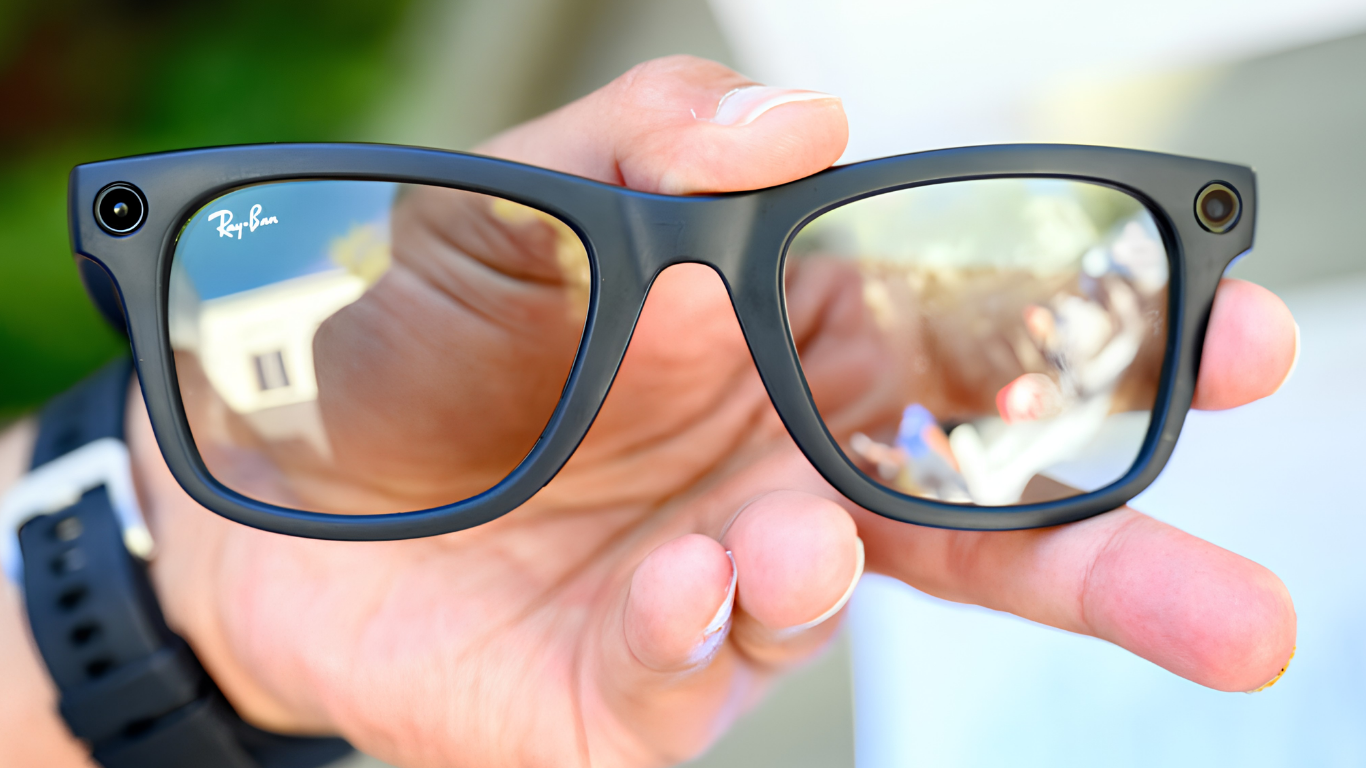
Image Credit: AFP
French prosecutors have opened several investigations into the alleged secret filming of women using camera-equipped smart glasses, raising fresh concerns about privacy, harassment and the misuse of wearable technology.
The Paris prosecutor’s office said it had received complaints from women who were allegedly filmed in public without their knowledge or consent. The investigations follow reports of a growing social media trend in which users discreetly record women on the street with smart glasses and share the footage online.
French online-safety organisation e-Enfance said it had received around 20 reports involving women who believed they had been secretly filmed. Some of the footage was allegedly uploaded to social media platforms, with victims sometimes facing abusive comments after the videos circulated online.
Authorities are examining whether the recordings violate French privacy laws or constitute other offences. Under French law, illegally recording or transmitting a person’s image in circumstances where privacy is protected can carry a prison sentence of up to two years and a fine of €45,000.
The investigations have drawn attention to camera-equipped glasses such as Meta’s smart glasses, which can take photographs and videos, make calls, play music and interact with an artificial-intelligence assistant. The technology is becoming increasingly popular, with other major technology companies also developing similar wearable devices.
Privacy concerns extend beyond street filming. France’s data protection regulator has also received complaints involving smart glasses in workplaces. Critics argue that people nearby may not always realise they are being recorded, even when the glasses display a small light intended to indicate that recording is taking place.
Meta has said it has measures designed to prevent users from disabling the recording indicator on its glasses. Privacy advocates, however, argue that an indicator alone does not necessarily mean that people being filmed have given meaningful consent.
The French investigations remain ongoing and have not established wrongdoing by any particular manufacturer. They could nevertheless become an important test of how existing privacy laws apply as AI-powered cameras and wearable technology become more common in everyday life.