
Listeners:
Top listeners:
 play_arrow
 Cosoro Afrobeats UK's No.1 Afrobeats Radio Station
 play_arrow
 Cosoro Pidgin Na we bi di No.1 UK Pidgin Radio
 play_arrow
 Cosoro Evergreen UK's No.1 Radio for Timeless African Sounds


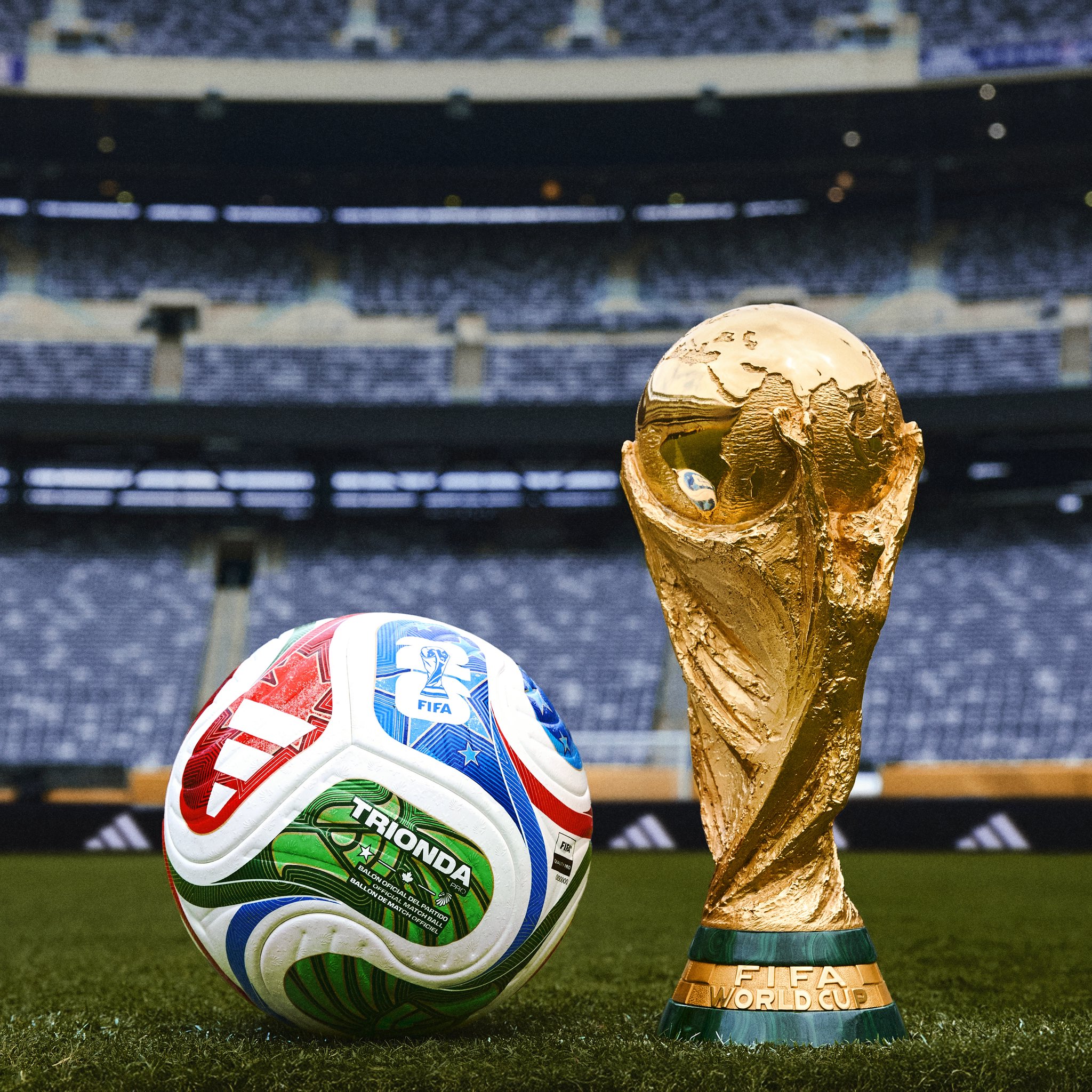
The 2026 FIFA World Cup is set to be unlike any tournament before it; not only because it will feature 48 teams for the first time and be hosted across the United States, Canada, and Mexico, but also because players, coaches, and fans will be witnessing one of the most significant rule overhauls in recent football history.
Football’s lawmakers, the International Football Association Board (IFAB), have approved a series of changes that will come into effect at the World Cup, with the aim of improving match flow, reducing time-wasting, strengthening discipline, and enhancing the accuracy of officiating. The changes represent FIFA’s latest effort to modernize the game and address several issues that have increasingly frustrated players, officials, and supporters in recent years.
One of the most talked-about changes is the expansion of Video Assistant Referee (VAR) powers. Under the revised regulations, VAR officials will have greater authority to intervene in situations involving mistaken identity, incorrect disciplinary sanctions, and certain fouls that occur before set pieces are taken. The move is designed to reduce clear officiating errors and provide referees with more support in crucial moments. Since its introduction at the 2018 FIFA World Cup, VAR has remained one of football’s most debated innovations, but FIFA believes the latest adjustments will improve consistency and fairness across matches.
The governing bodies have also declared war on time-wasting tactics. Throw-ins and goal kicks will now be subject to stricter enforcement, with referees using visible countdowns to ensure restarts happen quickly. Players being substituted will be required to leave the field within ten seconds using the nearest exit point. Failure to comply could delay the entry of their replacement, discouraging teams from deliberately slowing down the game in the closing stages of matches.
Another significant change targets player conduct. Football authorities have introduced stricter disciplinary measures for players who cover their mouths during confrontational exchanges, a move aimed at increasing transparency and helping officials address potential discriminatory or abusive language. In addition, players or officials who leave the field in protest of refereeing decisions could face immediate red cards, while teams that abandon matches may forfeit the fixture altogether. These measures reflect FIFA’s growing focus on accountability and sportsmanship.
The treatment of injuries is also changing. Except in specific circumstances such as head injuries or serious collisions, players receiving medical attention will now spend a mandatory period off the field before returning to play. The adjustment is intended to prevent teams from using injury stoppages as tactical breaks while also helping maintain the pace of matches. FIFA has additionally standardized hydration breaks to better manage player welfare during matches played in high temperatures, a particularly relevant consideration given the summer conditions expected across several World Cup host cities.
Technology will also play a bigger role than ever before. FIFA is preparing enhanced semi-automated offside technology, including advanced player-tracking systems and improved data collection designed to deliver faster and more accurate offside decisions. Officials hope the upgrades will reduce delays and eliminate many of the controversies that have surrounded close offside calls in previous tournaments.
These changes arrive at a time when football is experiencing rapid evolution both on and off the pitch. The 2026 tournament will already be historic due to its expanded format, which increases the number of participating nations from 32 to 48 and introduces a new competition structure featuring 12 groups. FIFA believes the latest rule adjustments will help ensure the quality of play remains high despite the larger tournament format.
While some of the new measures have already sparked debate among players, coaches, and supporters, FIFA and IFAB remain convinced that the reforms will improve the game’s integrity and entertainment value. Whether it is quicker restarts, broader VAR intervention, stricter disciplinary action, or enhanced technology, the message from football’s governing bodies is clear: the 2026 World Cup will usher in a new era for the sport.