

Listeners:
Top listeners:
 play_arrow
Cosoro Afrobeats UK's #1 Afrobeats Radio Station
 play_arrow
Cosoro Pidgin Na we bi di #1 UK Pidgin Radio
 play_arrow
Cosoro Evergreen UK's #1 Radio for Timeless African Sounds


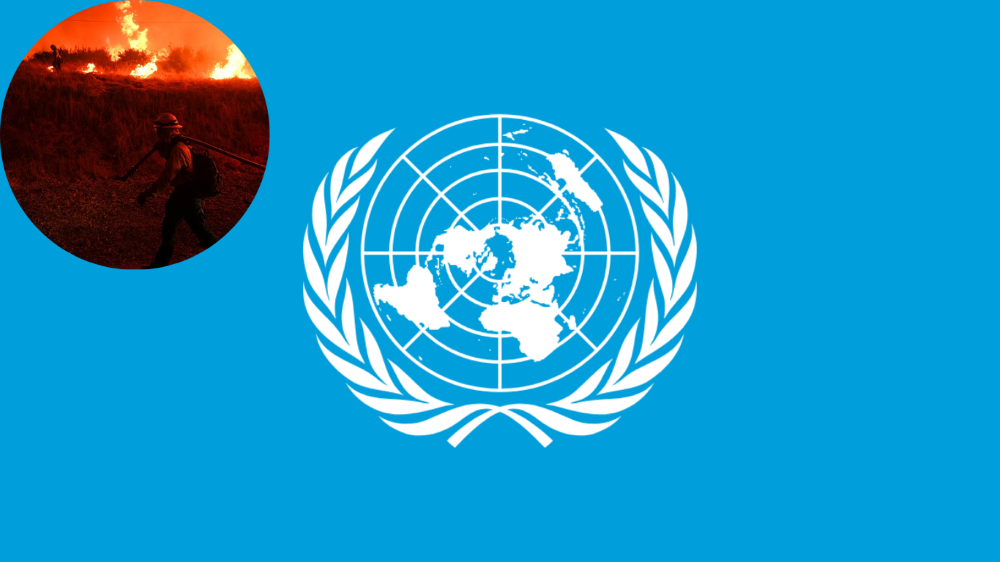
The world is entering a period of heightened weather risk as a rapidly strengthening El Niño threatens to disrupt rainfall, temperatures and weather patterns across several regions through 2027.
The World Meteorological Organization (WMO) says El Niño is now firmly established and is expected to intensify into a very strong event later this year, with an almost 100% probability that it will persist through February 2027. Forecasts indicate the event could become one of the strongest in the historical record.
El Niño is a natural climate phenomenon that develops when unusually warm surface waters spread across the central and eastern tropical Pacific Ocean. The resulting release of heat into the atmosphere can alter weather patterns thousands of kilometres away, bringing increased rainfall and flooding to some regions while contributing to drought and extreme heat in others.
The latest WMO outlook forecasts the tropical Pacific’s average sea-surface temperature anomaly at around 3.6°C above the 1991–2020 average during September-November, with the warming expected to peak around November and December. Exceptionally warm ocean conditions are also being observed in parts of the Indian Ocean and tropical Atlantic, potentially modifying the usual effects of El Niño.
The consequences could be significant for agriculture, water supplies, health and economies. Drier conditions are expected in several areas, while other regions face increased rainfall and flooding risks. The UN has warned that the effects of El Niño will interact with existing vulnerabilities, meaning communities already facing water shortages, fragile infrastructure or food insecurity could be particularly exposed.
Africa is also expected to feel the effects. WMO forecasts show contrasting rainfall patterns across the continent, with some areas facing increased rainfall while others could experience drier conditions. UN assessments have already highlighted concerns for parts of Africa, including the potential for delayed rainfall and prolonged dry spells in parts of the Sahel, while some areas could face flooding later in 2026.
The developing El Niño is also occurring against a backdrop of long-term human-caused global warming. A warmer climate can increase the severity of some weather extremes, although scientists continue to study exactly how climate change may influence the strength and behaviour of individual El Niño events.
Governments and humanitarian organisations are therefore being urged to act before the most severe impacts arrive. The WMO says it and national meteorological agencies are strengthening early-warning systems and sharing forecasts to help communities prepare for extreme heat, drought, flooding and other hazards. The UN has similarly stressed that the narrowing window for preparedness could be critical for protecting lives and livelihoods.
With El Niño expected to strengthen towards the end of 2026 and its effects potentially continuing well into 2027, scientists and disaster-response agencies are warning that preparation will be crucial as the world faces an increasingly volatile climate period.