

Listeners:
Top listeners:
 play_arrow
 Cosoro Afrobeats UK's #1 Afrobeats Radio Station
 play_arrow
 Cosoro Pidgin Na we bi di #1 UK Pidgin Radio
 play_arrow
 Cosoro Evergreen UK's #1 Radio for Timeless African Sounds


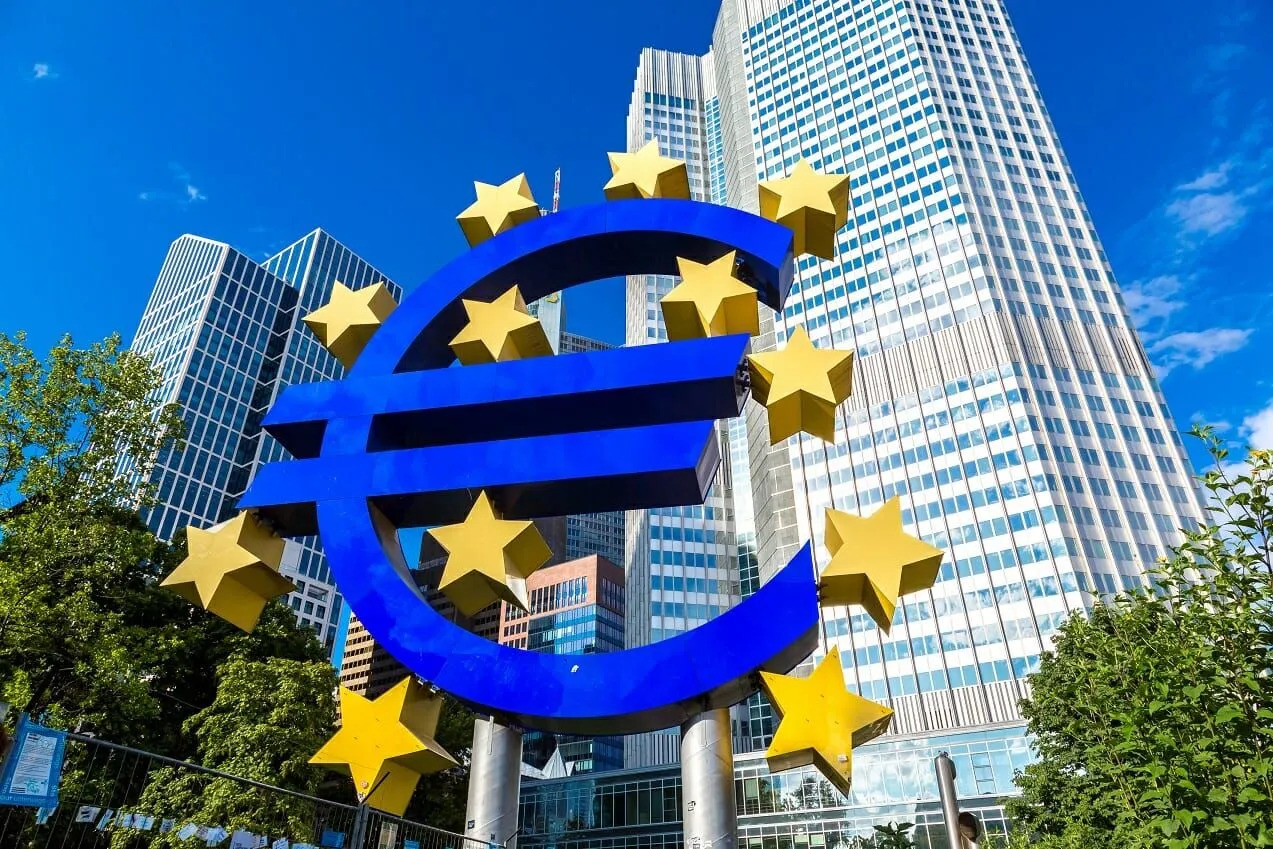
Just when Europe appeared to be emerging from years of economic turbulence, a fresh geopolitical crisis is forcing policymakers back into inflation-fighting mode.
The European Central Bank (ECB) has raised interest rates for the first time since 2023, increasing its key deposit rate by 0.25 percentage points to 2.25%. The decision comes amid mounting concerns that the ongoing conflict involving Iran is driving up global energy prices and threatening to push inflation further above the ECB’s 2% target.
The move marks a significant turning point for the eurozone economy. Over the past two years, policymakers had been focused on supporting growth after successfully bringing down inflation from the record highs experienced during the energy crisis that followed Russia’s invasion of Ukraine. Eurozone inflation had peaked at 10.6% in October 2022, prompting one of the most aggressive interest-rate hiking cycles in the ECB’s history, with rates eventually reaching 4% in 2023.
By early 2026, there were signs that the situation was stabilising. Inflation had fallen close to the ECB’s target, and officials were increasingly optimistic that the worst of the cost-of-living crisis was behind them. However, renewed instability in the Middle East has complicated that outlook. The conflict has disrupted global energy markets, pushing oil prices above $90 per barrel and increasing the cost of fuel imports for European countries that remain heavily dependent on external energy supplies.
Recent data illustrates the challenge facing policymakers. Inflation across the euro area climbed to 3.2% in May, up from 3% in April, with energy prices once again emerging as one of the biggest drivers of rising costs. Earlier figures from Eurostat showed energy inflation accelerating sharply, highlighting how quickly geopolitical tensions can feed through into household bills, transportation costs, and business expenses.
ECB President Christine Lagarde and other policymakers have repeatedly warned that the war in the Middle East poses both upside risks to inflation and downside risks to economic growth. In March, the ECB noted that higher energy prices could spread beyond fuel costs and trigger broader price increases across the economy, creating the kind of inflationary cycle central banks work hard to prevent.
The challenge is particularly delicate because Europe’s economy remains fragile. While inflation is rising again, growth has not fully recovered. The ECB has lowered its economic growth forecasts, while the International Monetary Fund (IMF) recently projected eurozone growth of just 1.1% in 2026, warning that the Middle East conflict is weakening investment, reducing consumer confidence, and increasing uncertainty across the region.
For households, the latest rate hike could mean more expensive mortgages, loans, and borrowing costs. Businesses may also face higher financing expenses at a time when many are already struggling with elevated energy and operating costs. While higher interest rates are designed to slow inflation by reducing demand, they can also weigh on economic activity if maintained for too long.
Financial markets are now watching closely for signs of what comes next. Investors increasingly expect the ECB could implement additional rate hikes if energy prices remain elevated and inflation continues to move away from target. Policymakers have stressed that future decisions will depend on incoming economic data, but they have also made clear that they are determined to avoid a repeat of the inflation surge that followed the Ukraine war.