
Listeners:
Top listeners:
 play_arrow
 Cosoro Afrobeats UK's #1 Afrobeats Radio Station
 play_arrow
 Cosoro Pidgin Na we bi di #1 UK Pidgin Radio
 play_arrow
 Cosoro Evergreen UK's #1 Radio for Timeless African Sounds


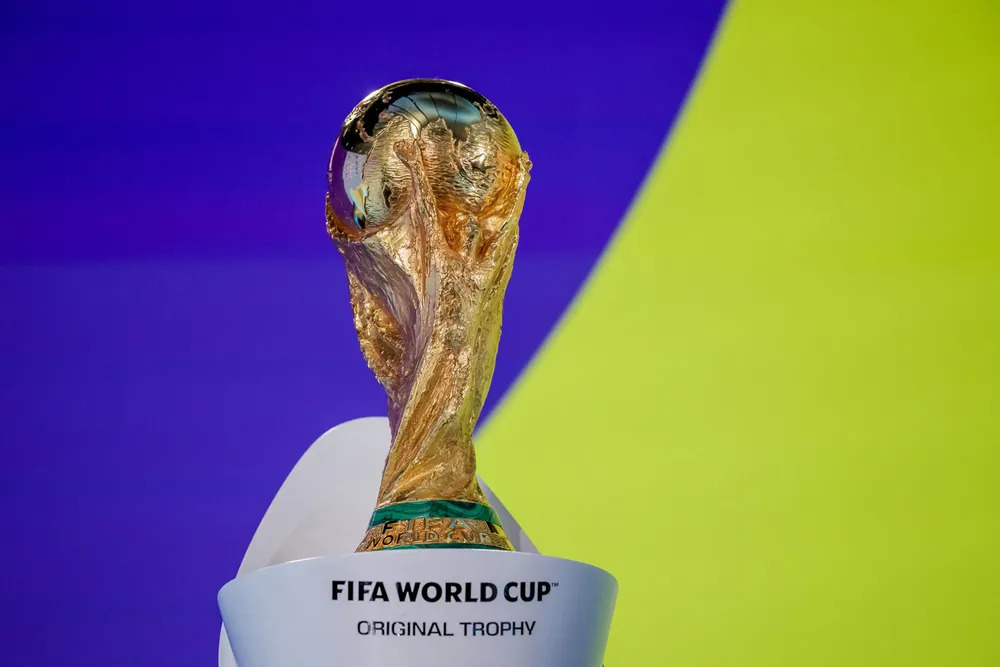
The FIFA World Cup is widely regarded as the pinnacle of international football. Since the first tournament was held in 1930, it has grown into the most-watched sporting event in the world, bringing together the best teams from across the globe. Beyond the prestige of lifting the trophy, qualification alone can transform a nation’s football fortunes by attracting investment, inspiring young players, and boosting the sport’s profile.
Yet while countries like Brazil, Germany, Argentina, and more recently Morocco have become World Cup success stories, many nations are still waiting for their first appearance on football’s biggest stage.
One of the most notable examples is Pakistan. Despite having a population of more than 240 million people, the country has struggled with administrative disputes, federation suspensions, and underinvestment in football development. Many observers believe Pakistan has untapped potential, but governance issues have consistently held the sport back.
In Africa, countries such as Somalia, Chad, Djibouti, and Niger have never qualified for the World Cup. Political instability, limited infrastructure, financial challenges, and fierce competition for qualification spots have all played a role in keeping these nations away from the tournament.
Eritrea presents a unique case. The country has withdrawn from several World Cup qualifying campaigns over the years, largely due to concerns that players could seek asylum while travelling abroad for matches. As a result, Eritrea has rarely had the opportunity to compete consistently on the international stage.
Meanwhile, South Sudan, which only gained independence in 2011 and joined FIFA in 2012, is still in the early stages of building its football structures. Although qualification remains a distant goal, the country’s young football system continues to develop.
Smaller nations also face significant challenges. Countries such as Bhutan, Guam, and American Samoa must contend with limited player pools, restricted resources, and geographical isolation, making qualification an uphill battle.
Perhaps one of the most surprising stories belongs to Liberia. Despite producing George Weah, the only African player to win the Ballon d’Or, the country has never qualified for a World Cup. His success highlighted the gap that can exist between individual brilliance and national team achievement.
There is, however, renewed hope. The expansion of the World Cup to 48 teams beginning in 2026 has increased qualification slots across Africa, Asia, Oceania, and other regions. Countries that once faced almost impossible odds now have a more realistic path to football’s biggest event.
While many nations are still waiting for their first World Cup appearance, history has shown that breakthroughs can happen. For these countries, the dream remains alive; and with the tournament continuing to expand, their long wait may not last forever.