
Listeners:
Top listeners:
 play_arrow
 Cosoro Afrobeats UK's No.1 Afrobeats Radio Station
 play_arrow
 Cosoro Pidgin Na we bi di No.1 UK Pidgin Radio
 play_arrow
 Cosoro Evergreen UK's No.1 Radio for Timeless African Sounds


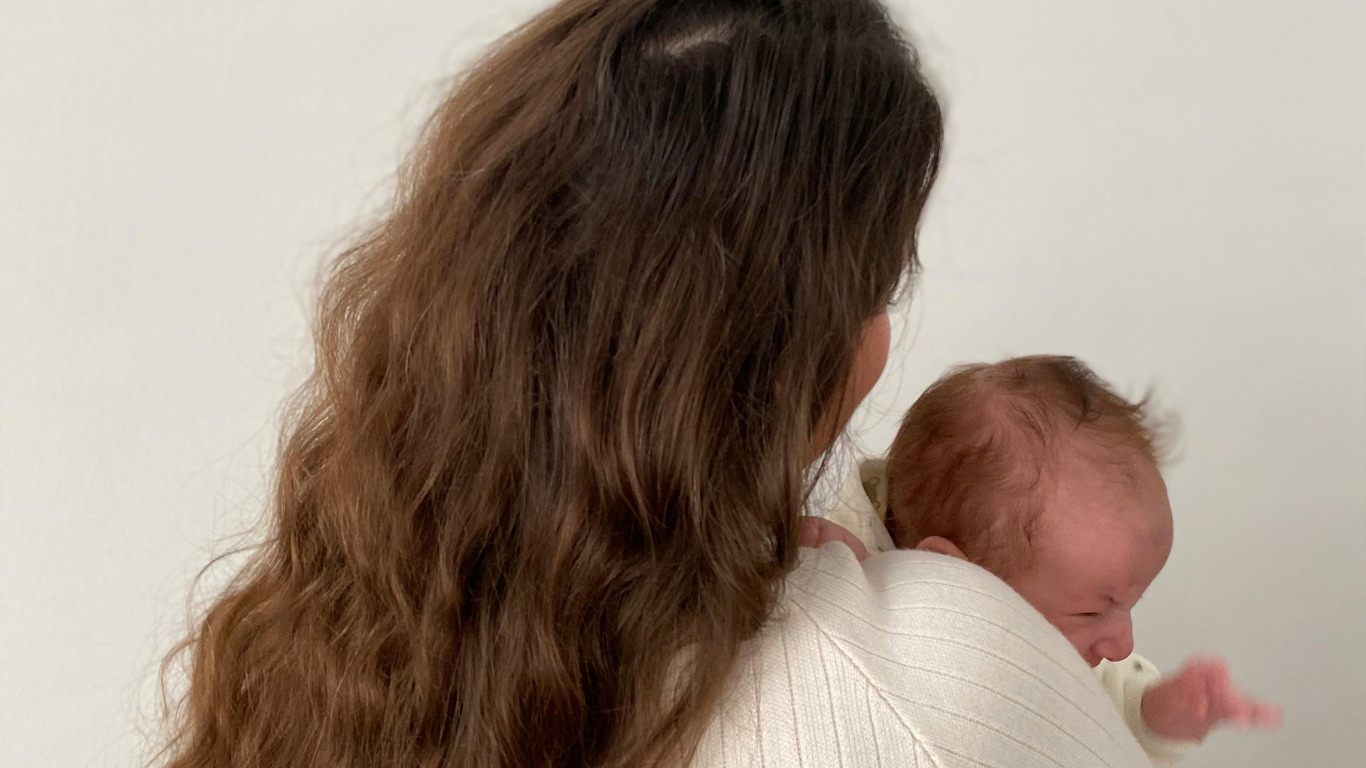
The Church of England is preparing to issue a formal apology for its role in historical forced adoptions, according to a report by the BBC.
The practice, which took place in the decades following World War II, saw tens of thousands of babies taken from unmarried mothers at a time when social stigma around pregnancy outside marriage was widespread. Many women were separated from their children shortly after birth.
The Church of England operated around 100 mother and baby homes across England during this time. These institutions were used to house unmarried pregnant women, often away from public view, where many were pressured into giving up their babies for adoption.
A draft version of the Church’s apology, seen by the BBC, acknowledges the harm caused. It states that the Church recognises the “lifelong impact” of forced adoption and its role in a system shaped by attitudes now considered harmful. The draft includes the words “we are deeply sorry” for the pain and trauma experienced by affected women and children.
An investigation by Parliament’s Joint Committee on Human Rights, launched after earlier BBC reporting in 2021, found that approximately 185,000 babies were involved in forced adoptions between 1949 and 1976.
Not all cases were linked to the Church of England, as other religious organisations and welfare groups also operated similar homes during that period.
The planned apology follows similar acknowledgements by other institutions. In 2016, Vincent Nichols apologised on behalf of the Catholic Church for the role of its adoption agencies. In 2023, both the Scottish and Welsh governments issued formal apologies.
The Church of England’s expected apology may increase pressure on the UK government, which has yet to formally apologise for its role. Campaigners, including birth mothers and adoptees, have argued that the state should take responsibility, noting that many of the homes were publicly funded.
The apology is expected to form part of ongoing efforts to address the legacy of forced adoptions and their lasting impact on families across the UK.