
Listeners:
Top listeners:
 play_arrow
 Cosoro Afrobeats UK's No.1 Afrobeats Radio Station
 play_arrow
 Cosoro Pidgin Na we bi di No.1 UK Pidgin Radio
 play_arrow
 Cosoro Evergreen UK's No.1 Radio for Timeless African Sounds


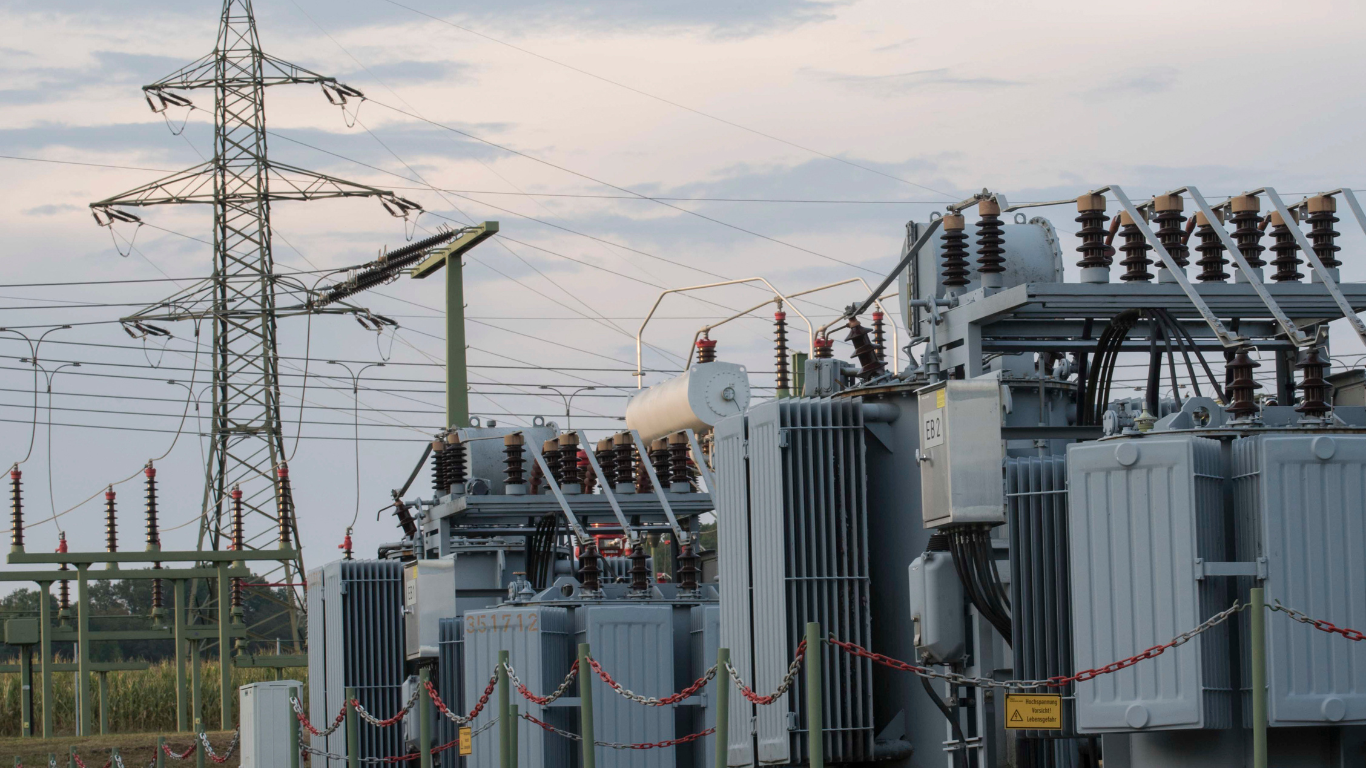
Cameroon has approved the renationalisation of its main electricity provider in a sweeping policy shift aimed at addressing persistent power shortages and stabilising the country’s struggling energy sector.
The move follows a presidential decree signed by Paul Biya, granting the state full control over the country’s primary electricity company, formerly known as Energy of Cameroon (ENEO). The decision marks a major reversal of the privatisation policy introduced in 2001, when the utility was transferred to private investors.
The government had already begun reclaiming control earlier in 2026 by acquiring a 51 percent stake from British investment firm Actis for approximately $139 million. This increased the state’s ownership to about 95 percent, effectively restoring public dominance over the sector.
Following the takeover, the company has been rebranded as the Cameroon Electricity Company (SOCADEL), signalling a new phase in the country’s energy management strategy. Authorities have since moved quickly to restructure leadership, with key appointments made during the first board meeting of the newly formed entity.
The renationalisation comes at a time when Cameroon’s electricity system is under significant strain. Frequent power outages, ageing infrastructure, and insufficient generation capacity have long hampered economic activity and frustrated consumers. Despite years of private management, critics argue that the system failed to keep pace with growing demand.
ENEO, which held a monopoly over electricity distribution and operated numerous power plants, has faced repeated criticism over unreliable service and billing issues. The government now hopes that bringing the utility back under state control will allow for better coordination, investment, and long-term planning.
However, the challenges ahead remain substantial. The newly nationalised entity inherits significant financial burdens, including debts estimated at around $1.4 billion as of late 2024. Addressing these liabilities while improving infrastructure and expanding capacity will be central to the success of the reform.
The decision reflects a broader trend across parts of Africa, where governments are reasserting control over strategic sectors in response to underperformance by private operators. In Cameroon’s case, electricity is seen as critical to industrial growth, investment, and overall economic development.
As SOCADEL begins operations, attention will turn to whether state control can deliver the reliability and efficiency that have long eluded the sector. For millions of Cameroonians affected by regular blackouts, the stakes are high, and expectations for meaningful improvement are even higher.