
Listeners:
Top listeners:
 play_arrow
 Cosoro Afrobeats UK's No.1 Afrobeats Radio Station
 play_arrow
 Cosoro Pidgin Na we bi di No.1 UK Pidgin Radio
 play_arrow
 Cosoro Evergreen UK's No.1 Radio for Timeless African Sounds


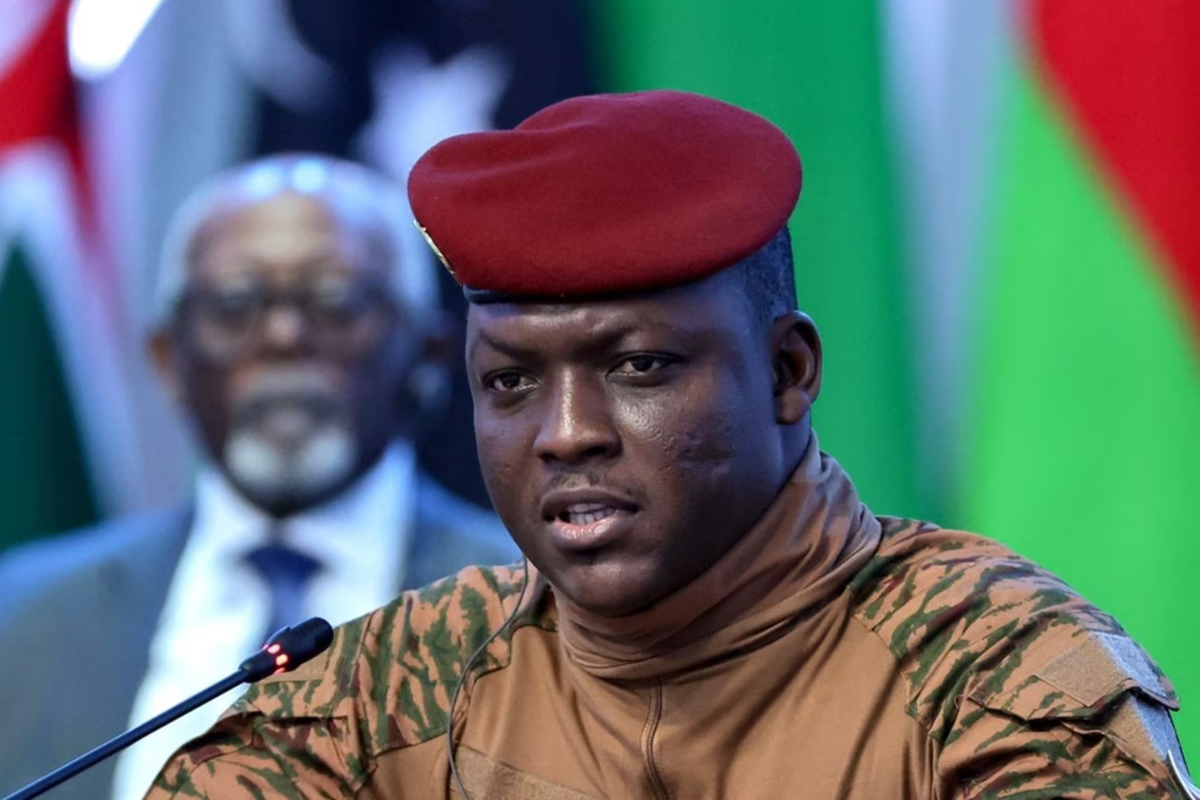
Burkina Faso’s military government has strongly denied allegations that more than 1,800 civilians have been killed since it seized power, dismissing a recent report by human rights groups as inaccurate and unfounded.
The report, largely attributed to findings by Human Rights Watch, claims that widespread violence involving government forces, allied militias, and extremist groups has resulted in significant civilian deaths since 2023. According to the findings, the majority of those killings were allegedly carried out by state forces and their partners in the fight against Islamist insurgents.
However, the Burkinabè authorities have rejected these accusations, insisting that the figures are exaggerated and do not reflect the reality on the ground. Officials described the report as misleading, arguing that it undermines ongoing military efforts to combat armed groups operating across the country.
The dispute comes against the backdrop of a worsening security crisis in the Sahel nation, where violence linked to extremist groups affiliated with al-Qaeda and the Islamic State has intensified over the past decade. Since the military takeover in 2022, the junta has prioritized security operations, stating that restoring stability remains its primary objective.
Independent analyses and rights groups, however, paint a more troubling picture. Data cited in recent investigations suggests that both jihadist groups and government forces have been responsible for civilian casualties, with some reports indicating that state-linked forces may account for a significant share of the deaths.
One of the deadliest incidents described in the report dates back to December 2023, when the military and allied militias are said to have killed more than 400 civilians in the town of Djibo.
The controversy has further deepened concerns about accountability and transparency in Burkina Faso, where the military government has faced criticism for restricting political activity and limiting access for independent media and international organizations. Reports of abuses, including mass killings and forced displacement, have been repeatedly denied by the authorities.
Burkina Faso remains at the center of a broader regional crisis affecting the Sahel, where insurgent violence has displaced millions and strained already fragile governments. Analysts warn that disputes over casualty figures and responsibility risk complicating efforts to address the conflict, as mistrust grows between authorities, international observers, and affected communities.