
Listeners:
Top listeners:
 play_arrow
Cosoro Afrobeats UK's #1 Afrobeats Radio Station
 play_arrow
Cosoro Pidgin Na we bi di #1 UK Pidgin Radio
 play_arrow
Cosoro Evergreen UK's #1 Radio for Timeless African Sounds


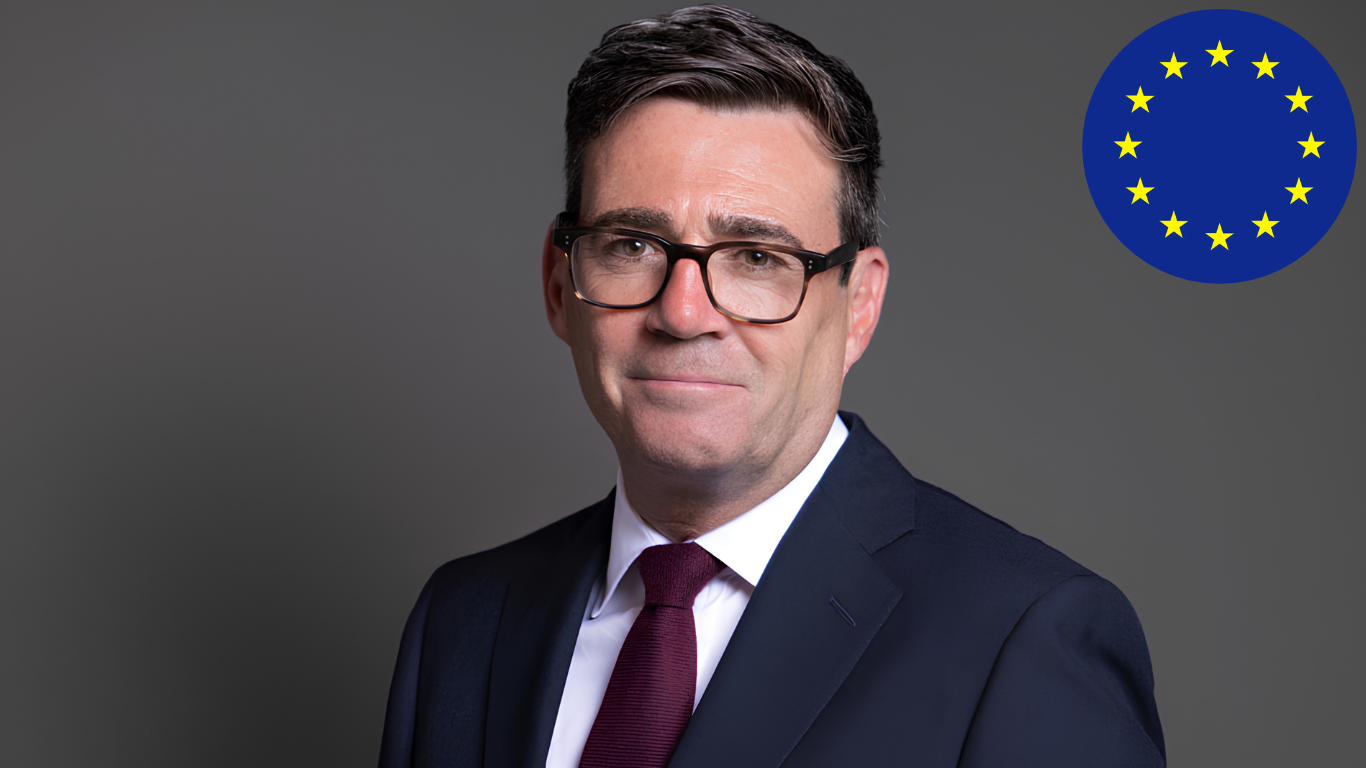
The United Kingdom and the European Union are close to agreeing a new youth mobility scheme that could allow up to 100,000 young people from each side to live, work and study across the Channel every year.
The proposed agreement is expected to be discussed at the UK-EU summit in Brussels on Friday, November 20, 2026, where Prime Minister Andy Burnham is due to meet European leaders as part of efforts to strengthen relations following Brexit.
Under the provisional arrangement, the UK is prepared to allow up to 100,000 young EU citizens to enter Britain annually through the scheme, an increase from the previous limit of between 50,000 and 80,000 being considered by British negotiators. The age limit is also expected to rise from 30 to 31, while the number of young British citizens allowed to travel to EU countries would be matched, with some countries potentially accepting more.
The scheme would give eligible young people an opportunity to spend a limited period in another country for employment, education or travel. It is expected to operate for up to three years and would be subject to agreed conditions and restrictions.
However, the proposal is not a return to the freedom of movement that existed when Britain was a member of the European Union. The UK government has insisted that participation would be capped and time limited, with restrictions on access to public benefits and the ability to bring dependants.
Negotiations have faced several challenges, particularly over the number of participants and university tuition fees. The EU has been pushing for young European students studying in Britain under the arrangement to receive domestic tuition rates rather than the higher international fees currently charged to them.
The issue remains a major point of disagreement, with British universities concerned about losing income if fees are reduced. Reports indicate that both sides are still working towards a compromise, with further discussions expected over the coming months.
The youth mobility proposal forms part of a wider effort to reset relations between Britain and the EU. Other agreements expected to feature at the summit include a food and drink trade deal aimed at reducing border checks and paperwork, as well as an arrangement linking the two sides’ emissions trading systems.
The British government estimates that the proposed food and drink agreement could add up to £5.1 billion annually to the UK economy by making trade easier for businesses. Linking emissions trading systems could also help protect industries from certain carbon-related charges.
Burnham has argued that closer cooperation with Europe could benefit British businesses and households without reversing Brexit. His government has maintained that it will not seek to rejoin the EU, the single market or the customs union, and will not restore unrestricted freedom of movement.
The summit is therefore being closely watched as a significant moment in Britain’s post Brexit relationship with Europe. While the proposed youth scheme could create new opportunities for younger generations on both sides, the final outcome will depend on whether negotiators can resolve the remaining disagreements.