

Listeners:
Top listeners:
 play_arrow
Cosoro Afrobeats UK's #1 Afrobeats Radio Station
 play_arrow
Cosoro Pidgin Na we bi di #1 UK Pidgin Radio
 play_arrow
Cosoro Evergreen UK's #1 Radio for Timeless African Sounds


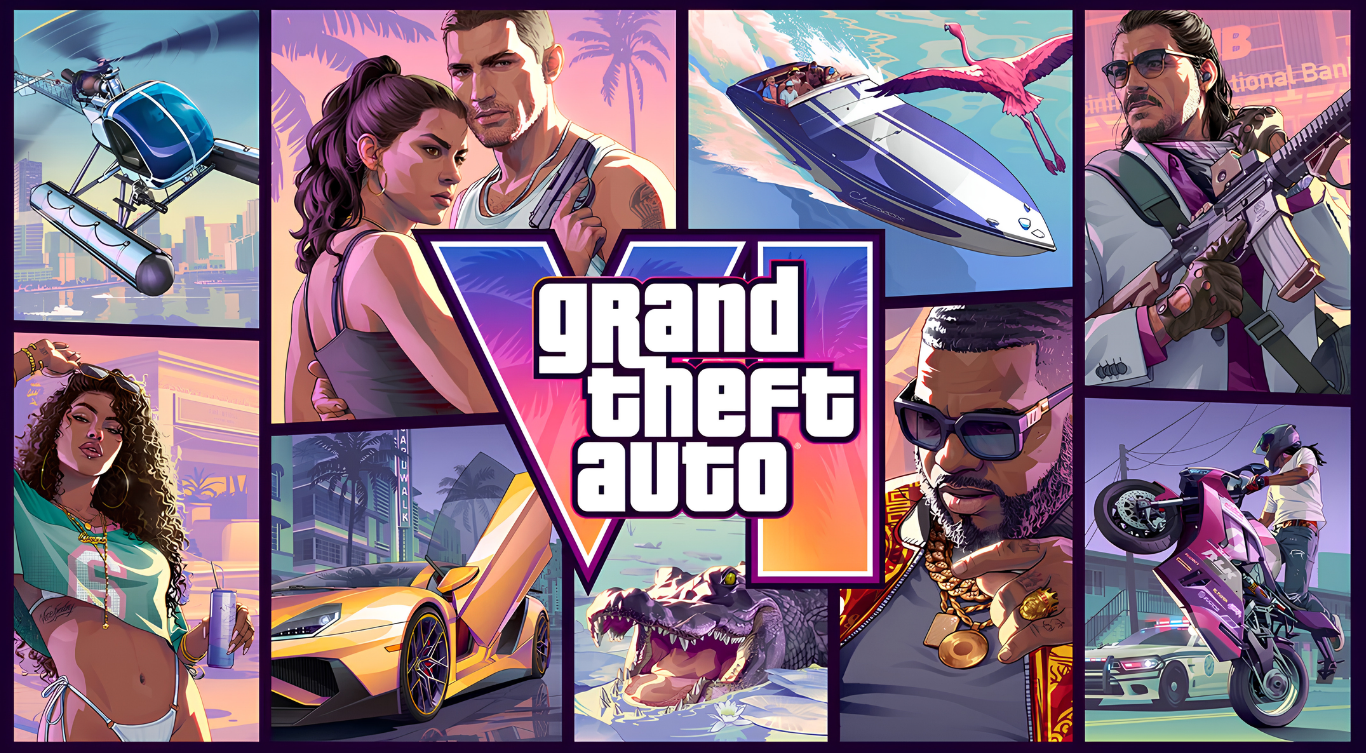
Image Credit: Play Station
African music is taking another prominent step into global pop culture as Nigerian stars Burna Boy, Asake and Seyi Vibez are linked to the music lineup of Grand Theft Auto VI (GTA 6), alongside established Ghanaian and South African artistes.
The highly anticipated game, released on November 19, 2026, features AfroBank FM, an in-game radio station dedicated to African music. Grammy-winning singer Burna Boy serves as one of its co-hosts alongside British DJ and producer Palms Trax, who is known in the game as Palmsy.
Asake’s 2022 hit, “Joha”, is among the tracks confirmed in the station’s official preview. Ghanaian highlife legends Pat Thomas and Ebo Taylor are also represented through their song “Gye Wani”, while South Africa’s DJ Lag, Robot Boii and Kamo Mphela feature with “Shay’sana”.
Burna Boy and Seyi Vibez’s collaboration, “Giza”, has also appeared in footage circulating online, although its inclusion has not been independently confirmed by all reports. Beyond his hosting role, Burna Boy contributes an original song, “Bigger”, to the game’s official 34-track companion album, Grand Theft Auto VI: The Album.
The wider soundtrack brings together international stars including Travis Scott, Cardi B, Dua Lipa, Lana Del Rey, Gunna, Young Thug, Kodak Black, Don Toliver, Zara Larsson, Rauw Alejandro and Jennie.
Rockstar Games announced AfroBank FM on October 8, describing its musical direction as a blend of African classics, amapiano, 3-step and contemporary sounds. The station is part of a wider selection of in-game radio channels covering different genres and musical cultures.
The inclusion of artistes from Nigeria, Ghana and South Africa highlights the diversity of African music and its growing presence in international entertainment. With GTA among the world’s most recognisable gaming franchises, the platform offers these sounds an opportunity to reach millions of players beyond traditional music audiences.