
Listeners:
Top listeners:
 play_arrow
 Cosoro Afrobeats UK's No.1 Afrobeats Radio Station
 play_arrow
 Cosoro Pidgin Na we bi di No.1 UK Pidgin Radio
 play_arrow
 Cosoro Evergreen UK's No.1 Radio for Timeless African Sounds


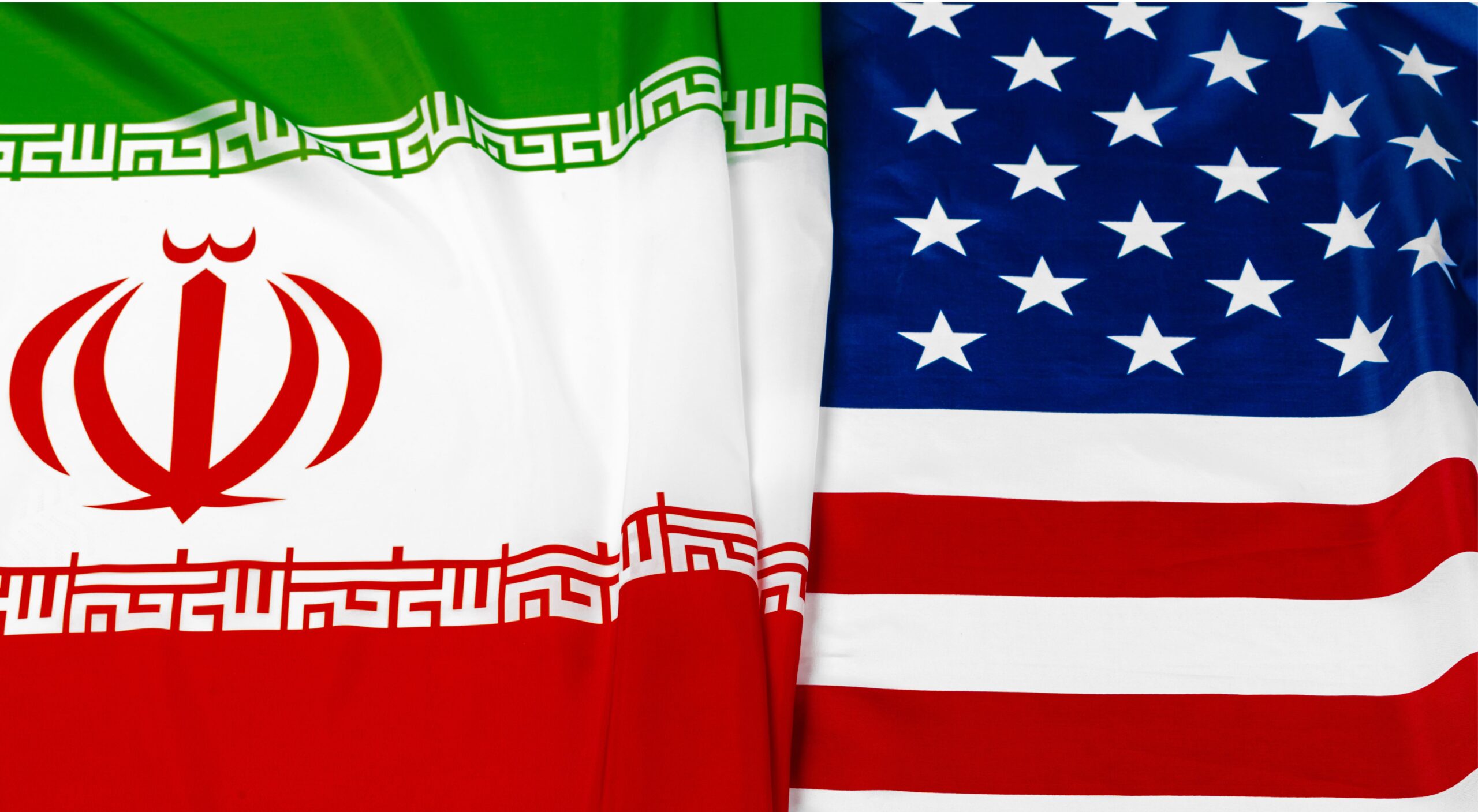
Iran has rejected US threats and pressure while insisting that it remains open to diplomacy, creating a mixed message as efforts to end the months-long war enter a new and uncertain phase.
Iranian President Masoud Pezeshkian delivered a defiant address at the United Nations, saying Tehran would not surrender to pressure but remained prepared for dialogue and negotiations. His comments came shortly after US President Donald Trump issued threats against Iran while addressing the same UN gathering.
Despite the increasingly hostile rhetoric, US and Iranian officials have resumed diplomatic contacts. The two sides held their first mediated discussions in months on the sidelines of the UN General Assembly, with Qatar and other regional actors helping facilitate communication. However, officials from both sides remain far apart over the conditions for ending the conflict.
Tehran has linked any progress to several demands, including an end to the US naval blockade, the release of frozen Iranian assets and an arrangement allowing shipping to resume normally through the Strait of Hormuz. Iranian officials have also indicated that reopening the strategically important waterway is connected to reducing the military and economic pressure being placed on the country.
The Strait of Hormuz has become one of the central issues in the dispute because it is a crucial route for global energy supplies. Iran has previously threatened restrictions on shipping through the waterway, while disruptions have already contributed to concerns about international oil markets and supply chains. Gulf states have urged Tehran to ensure freedom of navigation through the Strait and other important regional shipping routes.
The diplomatic efforts are taking place against the backdrop of a conflict that began after US and Israeli strikes against Iran in late February. The fighting has continued for months, with military escalation repeatedly undermining previous attempts at negotiations. Both sides have accused the other of blocking a diplomatic settlement, while Washington continues to maintain economic pressure and Tehran insists that threats will not force it to accept an agreement.
Iranian officials have nevertheless continued using diplomacy as a possible route out of the conflict. Tehran has communicated its conditions through regional mediators, including Qatar and Pakistan, while Washington has indicated that reaching an agreement would require extended negotiations. The latest discussions have therefore reopened a diplomatic channel without producing a breakthrough.
The situation is also affecting the wider Middle East. Gulf countries are pushing for a diplomatic solution as tensions around Iran, Yemen and key shipping routes threaten regional security and international trade. Iran-backed Houthi forces remain involved in fighting in Yemen, adding another layer to the broader regional conflict.