
Listeners:
Top listeners:
 play_arrow
 Cosoro Afrobeats UK's No.1 Afrobeats Radio Station
 play_arrow
 Cosoro Pidgin Na we bi di No.1 UK Pidgin Radio
 play_arrow
 Cosoro Evergreen UK's No.1 Radio for Timeless African Sounds


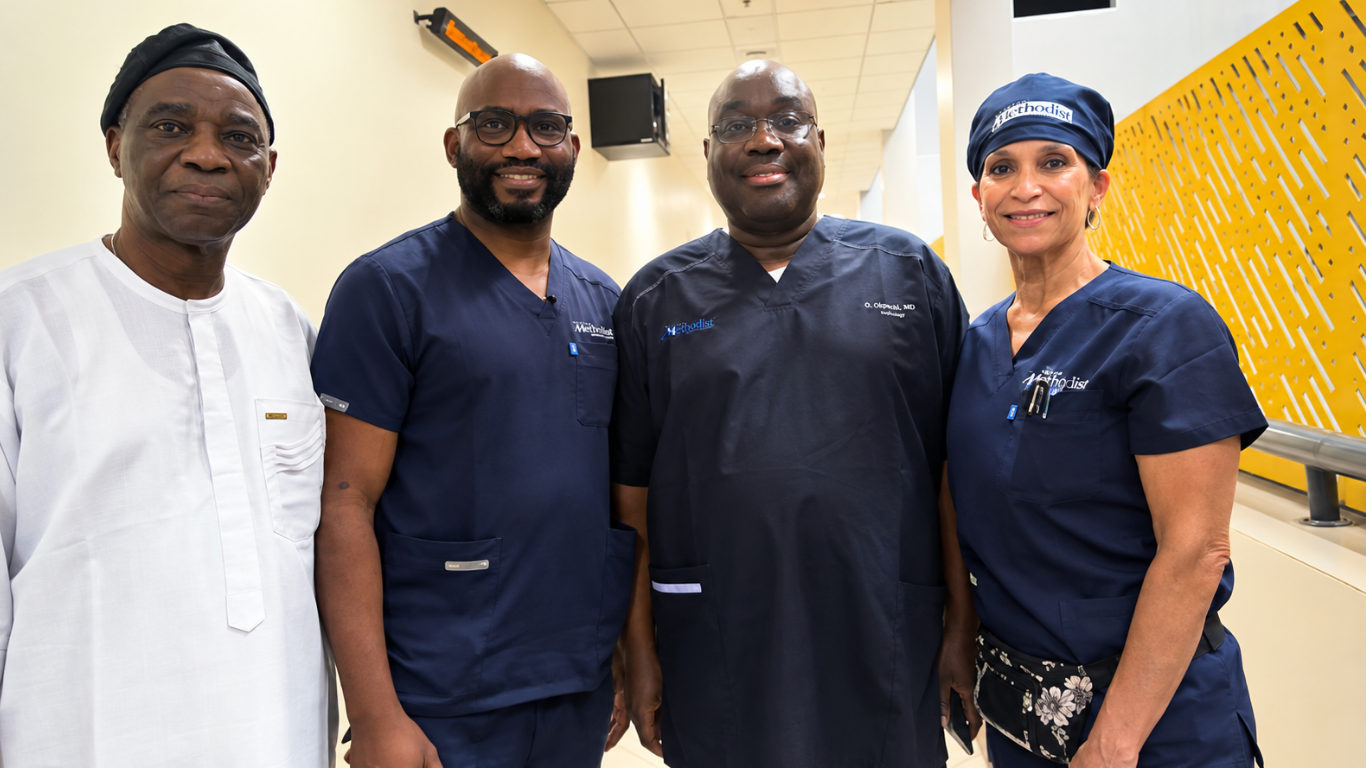
Nigeria has recorded its first tele-robotic surgery after a surgeon in Ogun State remotely operated on a patient in Abuja, marking a major development in the country’s adoption of advanced surgical technology.
The procedure was performed on Saturday, September 19, through a collaboration between Redeemer’s Health Village (RHV) in Ogun State, RoboMed Global and Nisa Premier Hospital in Abuja. Professor Obi Ekwenna-Davis, a urologist and robotic surgeon, controlled a Toumai robotic surgical system from RHV while the patient remained at the Abuja hospital.
The operation was a robot-assisted right radical nephrectomy, involving the removal of a kidney affected by a cancerous tumour. Unlike conventional robotic surgery, where the surgeon is in the same hospital as the patient, tele-robotic surgery allows the surgeon’s movements to be transmitted in real time to a robotic system located elsewhere. The operation lasted about three hours, with brief pauses to ensure the communication and equipment remained stable.
Reliable connectivity was critical to the procedure. Reports said the operation used Starlink, with MTN providing backup connectivity, allowing the surgeon’s commands to travel between Ogun and Abuja. The teams have acknowledged that maintaining dependable communications will be one of the important challenges if remote surgery is expanded to other parts of Nigeria.
The achievement comes as Nigeria’s robotic-surgery programme is expanding. Nisa Premier Hospital had previously introduced the country’s first Toumai robotic surgery platform, while RHV recently performed its first robotic-assisted prostate cancer operation. Robotic surgery can provide surgeons with magnified views and more precise movements while allowing operations to be performed through smaller incisions, potentially reducing pain, blood loss and recovery time.
The significance of the latest procedure extends beyond the individual operation. Healthcare specialists involved in the programme say telesurgery could eventually allow patients in locations without certain specialists to receive advanced surgical care without travelling long distances. It could also create opportunities for Nigerian specialists abroad to contribute remotely to procedures in the country.
The initiative is also being linked to efforts to reduce Nigeria’s dependence on overseas medical treatment. RoboMed Global and its Nigerian partners have said their programme is intended not only to perform robotic procedures but also to develop local expertise. A robotic academy is being developed to train surgeons, nurses and biomedical engineers, with the team aiming to train at least 150 surgeons over the next two years.
Importantly, the procedure does not mean a robot independently performed the operation. The robotic system remained under the direct control of the surgeon, with medical teams present alongside the patient in Abuja. The technology effectively extends the surgeon’s physical reach while local clinical teams remain essential to patient care and safety.
The successful operation places Nigeria among countries exploring telesurgery as a way of overcoming geographical barriers to specialised healthcare. For the country, the next challenge will be turning the landmark demonstration into a reliable and accessible system supported by strong connectivity, trained personnel, appropriate regulation and sustained investment.