
Listeners:
Top listeners:
 play_arrow
 Cosoro Afrobeats UK's No.1 Afrobeats Radio Station
 play_arrow
 Cosoro Pidgin Na we bi di No.1 UK Pidgin Radio
 play_arrow
 Cosoro Evergreen UK's No.1 Radio for Timeless African Sounds


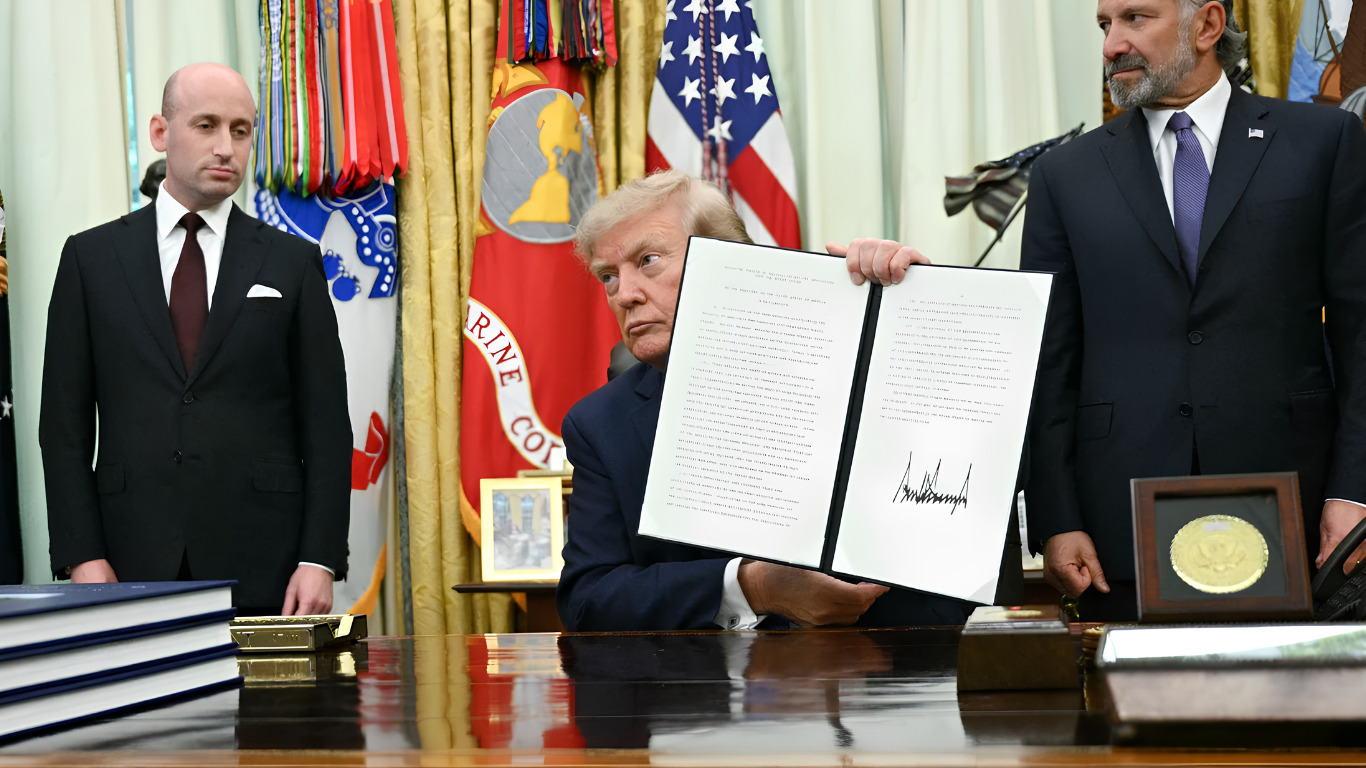
The United States has extended visa restrictions on Palestinian Authority officials and members of the Palestine Liberation Organization, preventing Palestinian President Mahmoud Abbas from attending the United Nations General Assembly in New York in person for a second consecutive year.
The US State Department said the Palestinian leadership had again failed to meet commitments required under American law. Washington cited Palestinian efforts to pursue the Israeli-Palestinian conflict through international institutions, including the International Criminal Court and International Court of Justice, as well as attempts to secure recognition of a Palestinian state outside direct negotiations.
The administration also accused the Palestinian Authority of continuing payments to people convicted of attacks on Israelis and of glorifying terrorism. Palestinian officials reject Washington’s characterisation of their policies and have criticised the visa restrictions as harmful to diplomatic efforts and the prospect of a two-state solution.
The decision comes just days before the 81st UN General Assembly opens its high-level session in New York. Abbas was also denied a US visa ahead of last year’s gathering and was subsequently allowed to address the assembly by video after UN members overwhelmingly approved special arrangements for Palestinian participation.
The restrictions do not prevent the Palestinian Mission to the UN from continuing its work in New York. The State Department said it would maintain a waiver for personnel formally assigned to the PLO Observer Mission, allowing regular diplomatic staff to operate at UN headquarters.
The latest move comes as international pressure over the Israeli-Palestinian conflict continues to grow. Several Western countries, including Britain, France and Canada, have moved toward recognising a Palestinian state, while the Palestinian leadership has continued to push for greater international recognition and action through global institutions.
The dispute also highlights a long-running tension surrounding the UN headquarters in New York. The United States, as host country, has obligations under the UN Headquarters Agreement concerning access for representatives of member and observer states. After last year’s visa restrictions, the General Assembly argued that Palestinian representatives should be allowed to participate, while Washington maintained that its immigration laws permitted the restrictions.
For Abbas, the decision again means that his participation in the annual gathering will depend on a remote arrangement rather than an appearance in the UN chamber. The General Assembly is expected to consider whether he can deliver a video address, as it permitted last year.