

Listeners:
Top listeners:
 play_arrow
 Cosoro Afrobeats UK's #1 Afrobeats Radio Station
 play_arrow
 Cosoro Pidgin Na we bi di #1 UK Pidgin Radio
 play_arrow
 Cosoro Evergreen UK's #1 Radio for Timeless African Sounds


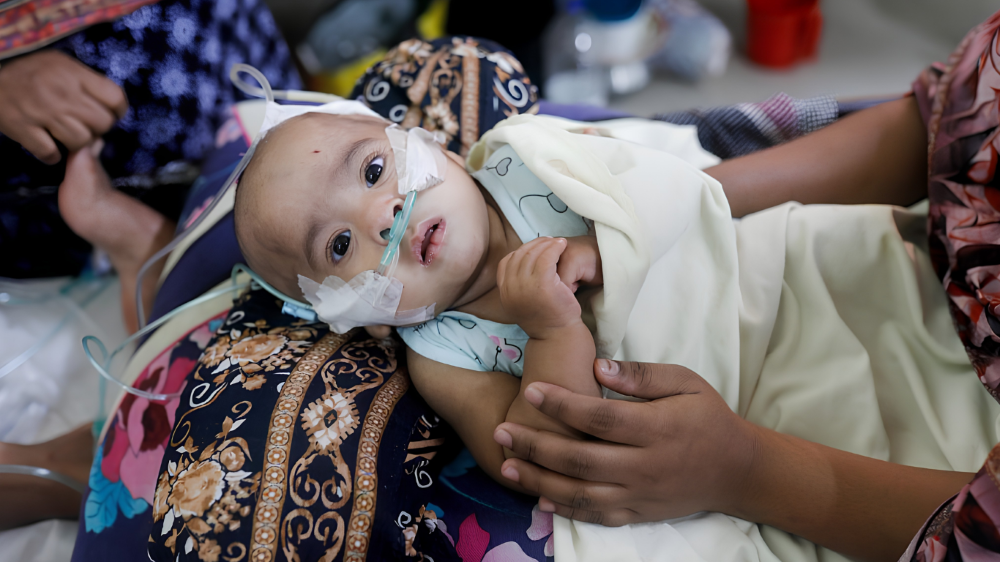
Image Credit: Getty Images
Bangladesh is battling what is now being described as the world’s worst measles outbreak, with nearly 1,000 suspected and confirmed measles-related deaths and more than 166,000 suspected cases recorded since March 2026.
The outbreak has hit children particularly hard, with those under five making up the majority of cases. Infants and children who missed routine vaccinations are among the most vulnerable as the highly contagious virus continues to spread across the country.
The crisis has been linked to significant gaps in childhood immunisation during 2024 and 2025. The World Health Organization says Bangladesh experienced nationwide shortages of measles-rubella vaccines during that period, while routine immunisation was disrupted. The country had also not carried out regular nationwide supplementary measles-rubella vaccination campaigns since 2020, allowing the number of susceptible children to grow.
The scale of the outbreak became clear earlier this year. By mid-April, WHO had recorded more than 19,000 suspected cases and 166 suspected deaths, with transmission reported across 58 of Bangladesh’s 64 districts. Around 79% of cases were among children under five, while many of the deaths involved unvaccinated children under two.
Bangladesh responded by launching an emergency measles-rubella vaccination campaign in April. The programme initially focused on high-risk areas before expanding nationwide, targeting millions of children between six months and five years old, including those who had missed routine vaccinations. WHO, UNICEF and Gavi have supported the government’s response.
But vaccination efforts have been taking place alongside an increasingly strained healthcare system. More than 146,000 suspected measles patients have been hospitalised, according to the latest figures, putting additional pressure on hospitals that are also dealing with a serious dengue outbreak. Some facilities are struggling with shortages of beds, paediatric care supplies and other essential resources.
The outbreak is particularly concerning because measles is highly contagious but preventable through vaccination. WHO recommends two doses of measles-containing vaccine through routine immunisation, while emergency campaigns can quickly increase protection among children who were missed by regular programmes.
Bangladesh had previously made substantial progress against measles. Vaccine coverage improved significantly over the past two decades and measles incidence fell sharply. The current outbreak therefore highlights how quickly progress against a vaccine-preventable disease can be reversed when routine immunisation systems face prolonged disruption.
Health authorities are now working to close those immunity gaps while treating the large number of children already affected. WHO has stressed that restoring reliable routine vaccination, strengthening disease surveillance and maintaining public confidence in immunisation will be critical to preventing another wave once the current outbreak subsides.