

Listeners:
Top listeners:
 play_arrow
 Cosoro Afrobeats UK's #1 Afrobeats Radio Station
 play_arrow
 Cosoro Pidgin Na we bi di #1 UK Pidgin Radio
 play_arrow
 Cosoro Evergreen UK's #1 Radio for Timeless African Sounds


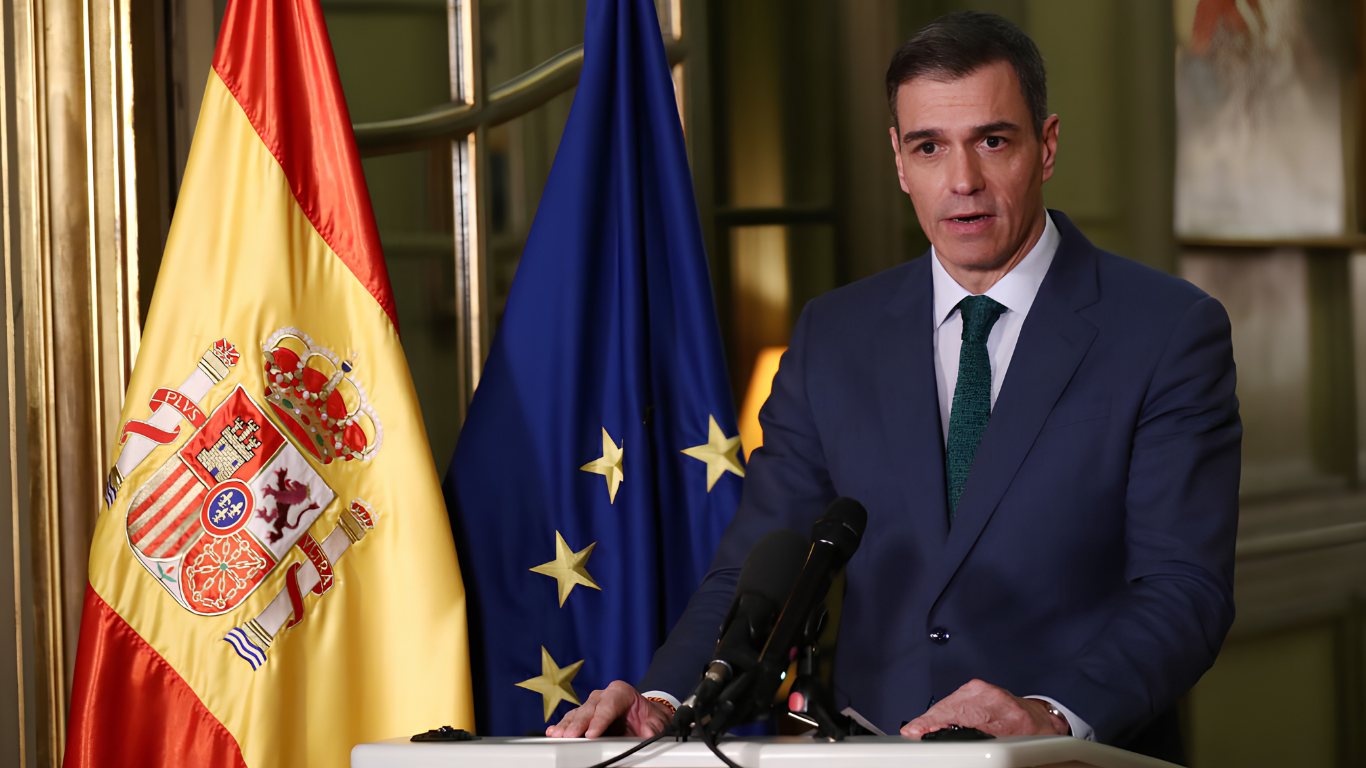
Spanish Prime Minister Pedro Sánchez is facing mounting political pressure over the unprecedented migrant crisis in Ceuta after an estimated 72,000 people crossed from Morocco into the Spanish enclave in late July.
Speaking to parliament on Thursday, Sánchez rejected accusations that his government had been warned about the scale of the influx and failed to act. He said there was no evidence that Morocco had deliberately organised the mass crossing and insisted that cooperation between Madrid and Rabat had remained close throughout the crisis.
The crisis began on July 30 and 31, when tens of thousands of people entered Ceuta by land and sea. Earlier estimates put the number considerably lower, but Spain’s Interior Ministry later settled on around 72,000. Most subsequently returned to Morocco, while thousands remain in Ceuta, including a large number of unaccompanied minors.
The Spanish government’s position on Morocco has become one of the most contentious issues surrounding the crisis. A police report described what it called a highly permissive response by Moroccan security forces during the crossing, including inadequate deployment and incidents involving uniformed officers. However, the report did not establish who ordered the actions or provide conclusive evidence that the Moroccan government planned the influx. Morocco has denied facilitating the crossings.
Sánchez has also faced criticism over whether Spanish authorities were sufficiently prepared. A recent Spanish Supreme Court ruling concerning the immediate return of migrants arriving by sea had created additional legal and operational difficulties for border authorities. The unprecedented scale of the arrivals placed enormous pressure on Ceuta’s police, accommodation facilities and public services.
The situation has also become a wider European issue. Spain has sought additional assistance from the EU border agency Frontex to help process migrants, while Italy has extended temporary border controls with Spain amid concerns that migrants could move onward from Ceuta. The measures have created fresh tensions within Europe’s passport-free Schengen area.
Inside Spain, opposition parties have accused Sánchez’s government of mishandling the crisis, while protests have taken place across the country. Sánchez, however, has defended the government’s response, highlighting cooperation with Morocco that helped facilitate the return of the vast majority of those who crossed and insisting that there is no evidence of a Moroccan plan behind the influx.