
Listeners:
Top listeners:
 play_arrow
 Cosoro Afrobeats UK's #1 Afrobeats Radio Station
 play_arrow
 Cosoro Pidgin Na we bi di #1 UK Pidgin Radio
 play_arrow
 Cosoro Evergreen UK's #1 Radio for Timeless African Sounds


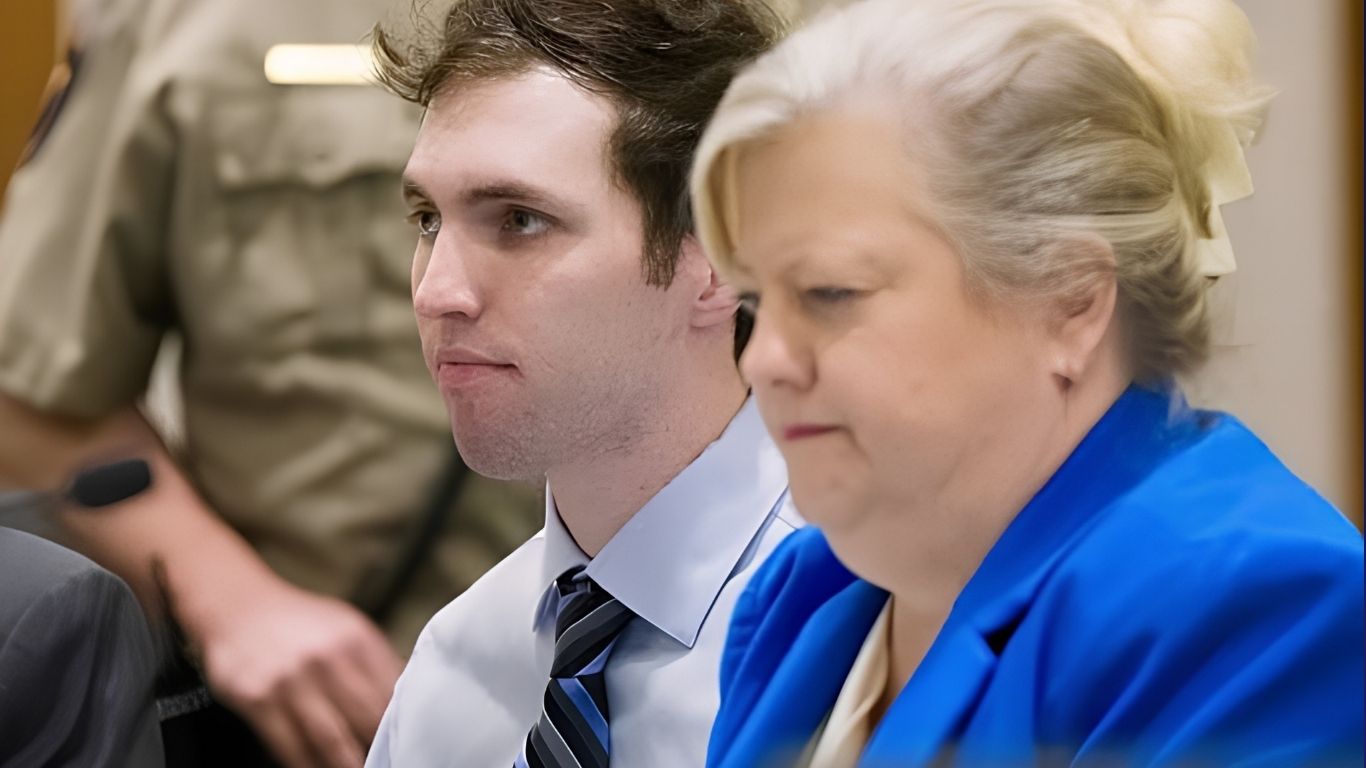
A Utah judge has ruled that Tyler Robinson, the man accused of killing conservative activist Charlie Kirk, must stand trial for aggravated murder, opening the way for prosecutors to seek the death penalty if he is convicted. Robinson pleaded not guilty to aggravated murder and six other charges after Judge Tony Graf ruled on Tuesday that prosecutors had presented sufficient evidence for the case to proceed. A hearing to determine the trial schedule is expected on October 23, although no trial date has yet been fixed. Kirk was fatally shot on September 10, 2025, while speaking to thousands of people at an event organised by Turning Point USA at Utah Valley University in Orem, Utah. Prosecutors allege that Robinson fired a single shot from a rooftop more than 400 feet (122 metres) away striking Kirk in the neck.
The aggravated murder charge is central to the death penalty case. Under Utah law, aggravated murder can carry a capital sentence, while ordinary murder carries a minimum sentence of 15 years and a maximum of life imprisonment. Prosecutors argue that Robinson knowingly created a substantial risk to other people by firing into an area occupied by more than 3,000 people. Judge Graf agreed that the circumstances supported a reasonable inference that Robinson knew other people were positioned near Kirk when he fired. That finding allows the prosecution to continue pursuing the most serious charge.
Prosecutors have presented several pieces of evidence, including surveillance footage, DNA evidence and a handwritten note that they say connect Robinson to the shooting. They have also alleged that the killing was politically motivated, claiming Robinson opposed Kirk’s views on issues including gay marriage and transgender rights. The defence has challenged that interpretation. Robinson’s lawyers argue that the evidence does not establish the required intent for aggravated murder and maintain that the shooting was directed at Kirk alone. They have pointed to the fact that only one shot was fired and argue that Robinson did not intend to endanger anyone else. The defence has also questioned aspects of the DNA evidence and disputed the prosecution’s claims about his political motive.
The ruling marks a significant step in one of the most closely watched political violence cases in the United States. Kirk, co founder of Turning Point USA, became a prominent conservative voice and a major figure in efforts to mobilise young voters for Donald Trump and the Republican Party. Kirk’s widow, Erika Kirk, attended the proceedings. Following her husband’s death, she took over as chief executive and board chair of Turning Point USA. At a memorial service, she said she forgave the alleged shooter, but she has not publicly commented on the possibility of a death sentence.
The case will now move into the trial phase, where prosecutors will have to prove beyond a reasonable doubt that Robinson committed aggravated murder and that the circumstances justify the capital charge. For the defence, the immediate objective will be to challenge the prosecution’s evidence and prevent the case from resulting in the ultimate punishment. With Robinson maintaining his not-guilty plea, the death penalty remains a possibility but only if prosecutors ultimately secure an aggravated murder conviction and satisfy the additional requirements for capital punishment.