

Listeners:
Top listeners:
 play_arrow
 Cosoro Afrobeats UK's #1 Afrobeats Radio Station
 play_arrow
 Cosoro Pidgin Na we bi di #1 UK Pidgin Radio
 play_arrow
 Cosoro Evergreen UK's #1 Radio for Timeless African Sounds


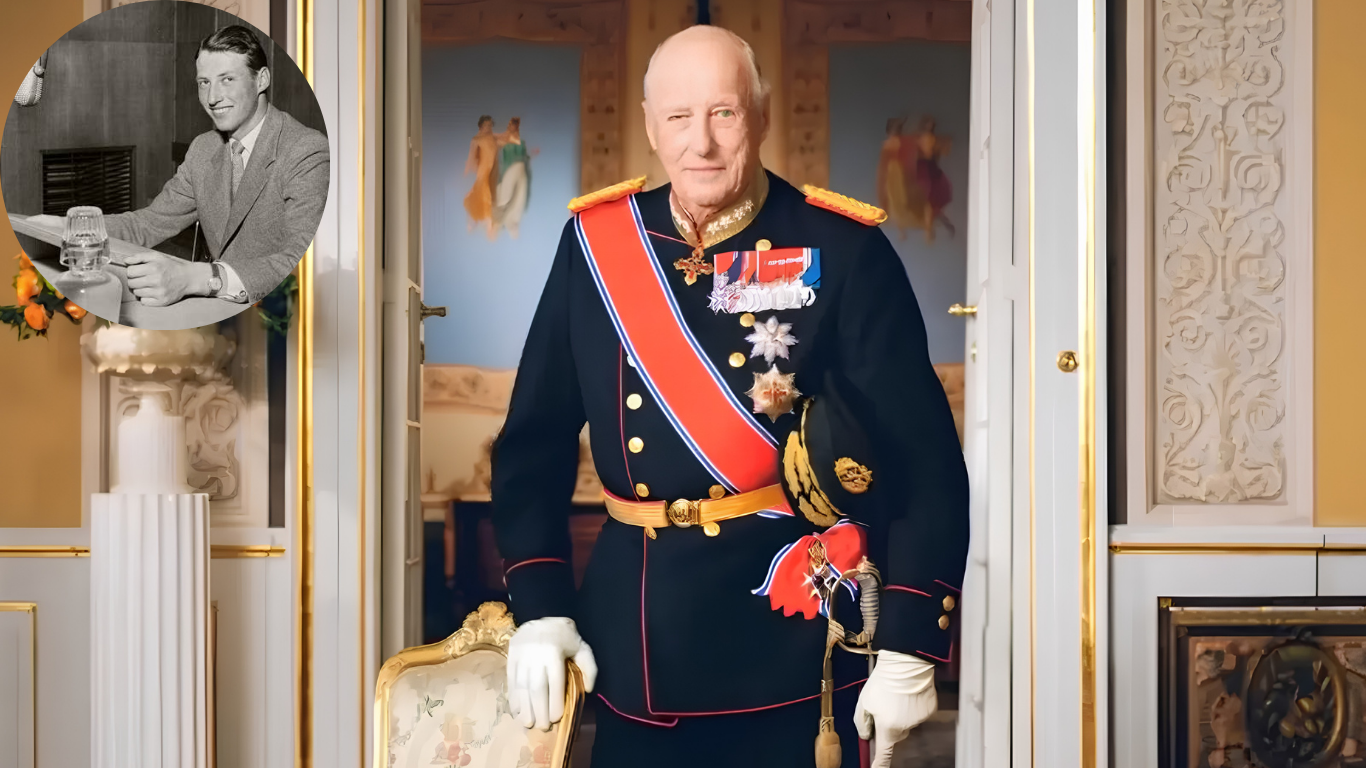
Norway is mourning the death of King Harald V, who has died at the age of 89 after more than 35 years as the country’s monarch. The Royal Palace said he died peacefully at Oslo University Hospital at 6:35am local time on Friday, 28 August, after recently being hospitalised with a bacterial infection in his bloodstream.
Harald became king in January 1991 following the death of his father, King Olav V. Over the following decades, he became one of Norway’s most recognisable and popular national figures, with a reputation for presenting the monarchy as modern, approachable and closely connected to ordinary people. Reuters described him as a reform-minded monarch who helped shape the Norwegian royal family’s public image during his long reign.
Born in 1937, Harald was the first Norwegian-born prince in almost 600 years. His childhood was marked by the Second World War, when Norway was invaded by Nazi Germany and the royal family went into exile. Harald and his mother and sisters spent part of the war in the United States, while his father and grandfather remained in Britain as the Norwegian government operated in exile.
Before becoming king, Harald was also an accomplished sailor and represented Norway at three Olympic Games. His sporting background remained an important part of his public identity, and sailing was a lifelong passion.
His personal life also helped distinguish him from traditional royal expectations. In 1968, Harald married Sonja Haraldsen, a commoner and his longtime sweetheart, after a relationship that initially faced opposition because of her non-royal background. Their marriage became an important symbol of a changing Norwegian monarchy, and they went on to have two children, Crown Prince Haakon and Princess Märtha Louise.
Harald’s reign also included some of Norway’s most difficult moments in recent history. He became particularly admired for his response to the 2011 terrorist attacks, when he offered messages of unity and compassion. His public support for inclusion and tolerance helped strengthen his reputation as a monarch who sought to represent the whole country rather than a particular section of society.
The king had experienced a number of health problems in recent years, including infections and heart-related treatment. He underwent heart-valve surgery in 2020 and had periodically stepped back from official duties because of illness. His son, Crown Prince Haakon, frequently served as regent during those periods.
Following Harald’s death, Crown Prince Haakon automatically becomes Norway’s new king. At 53, he now takes over the throne as the country’s fourth monarch since Norway became fully independent in 1905.
The transition comes at a complicated moment for Norway’s royal family, which has faced several controversies and intense public scrutiny in recent years. Despite those challenges, Harald himself remained highly popular, with recent polling giving him a favourability rating of 9.2 out of 10.
Norway has now entered a period of national mourning as the country prepares to say goodbye to a king who spent more than three decades representing it at home and abroad. His death marks the end of a long chapter in Norwegian history and the beginning of a new era under King Haakon VIII.