

Listeners:
Top listeners:
 play_arrow
 Cosoro Afrobeats UK's #1 Afrobeats Radio Station
 play_arrow
 Cosoro Pidgin Na we bi di #1 UK Pidgin Radio
 play_arrow
 Cosoro Evergreen UK's #1 Radio for Timeless African Sounds


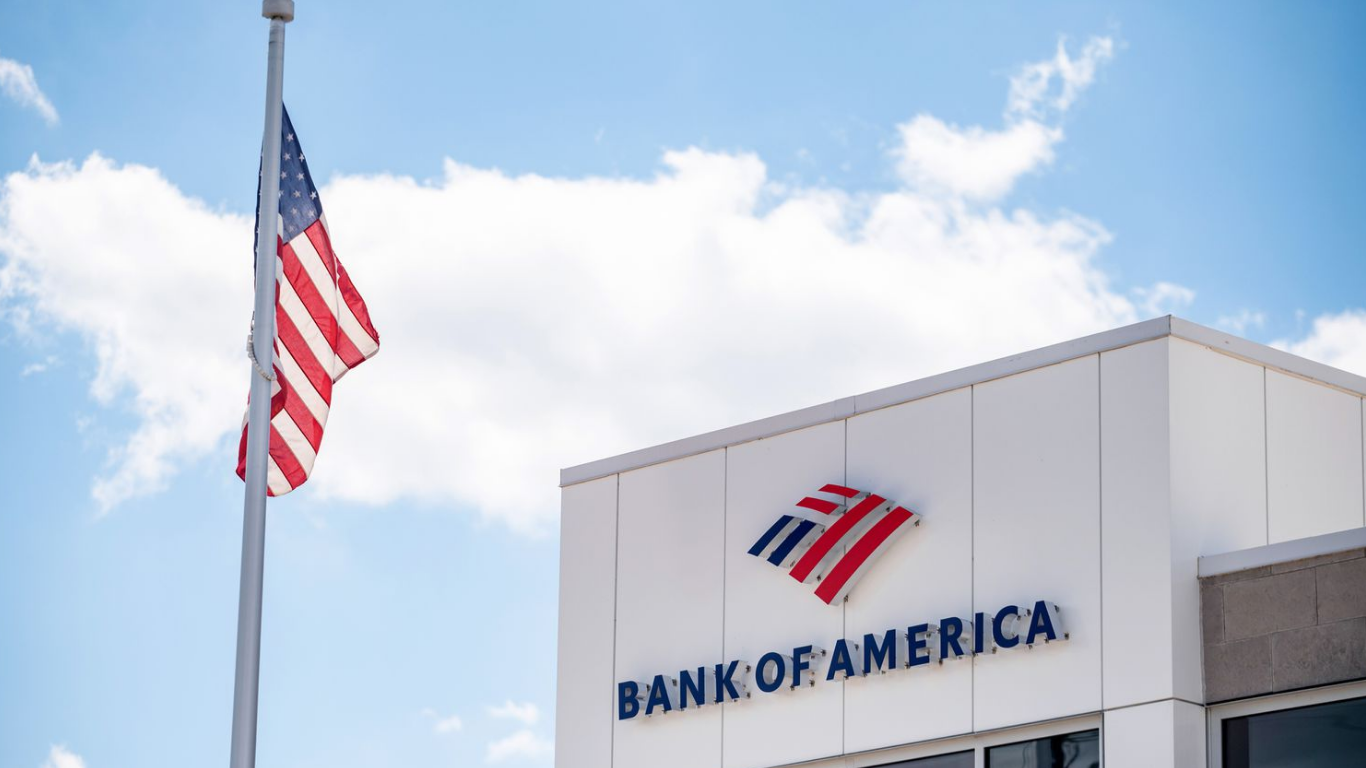
Bank of America, the second-largest bank in the United States, has been hit with more than US$1.2 billion in penalties after US regulators found serious failures in its anti-money-laundering controls and reporting of suspicious financial transactions. The action, announced by the US Treasury Department on October 13, 2026, ranks among the largest financial enforcement penalties in the department’s history and raises fresh questions about how major banks monitor illicit money flows.
The Treasury’s Financial Crimes Enforcement Network (FinCEN) imposed a US$1.2 billion penalty after finding that the bank had failed to identify and report more than US$5 billion in suspicious transactions in a timely manner. More than US$1 billion of the activity involved priority national security and illicit-finance risks, including transactions linked to suspected Chinese money-laundering networks, fraud and potential trade-based money laundering connected to the US southwest border. Regulators said the bank’s monitoring systems relied too heavily on outside inquiries rather than proactively identifying suspicious activity.
The Office of the Comptroller of the Currency (OCC) separately assessed a US$750 million civil penalty, the largest in the regulator’s history. The action was coordinated with FinCEN, which said the amount would be credited against the larger penalty rather than added on top of it. The bank also agreed to an US$11.6 million settlement with the Treasury’s Office of Foreign Assets Control over apparent sanctions violations involving programmes related to Iran, Russia, narcotics and global terrorism. Together, the measures exceed US$1.21 billion.
The regulators’ findings are particularly significant because Bank of America had already agreed to address deficiencies under a 2024 enforcement order. According to the OCC, the bank failed to complete key improvements, while weaknesses in staff training, internal audits and transaction-monitoring systems continued. The latest resolution requires the bank to work with an independent third party to review past transactions, identify suspicious activity that may have been missed and assess the effectiveness of its compliance programmes.
Bank of America acknowledged the penalty resolutions and said the issues stemmed from violations identified in the earlier regulatory order and subsequent investigation. The bank said it had invested billions of dollars in technology and employed thousands of people to combat financial crime, adding that it was committed to completing the corrective work required by regulators. The penalties are expected to affect its financial results, with Reuters reporting that the charge could reduce third-quarter earnings by approximately 17 cents per share.
The case comes amid heightened US scrutiny of financial institutions’ obligations to detect money laundering and enforce international sanctions. In 2023, cryptocurrency exchange Binance agreed to pay approximately US$4 billion to resolve US investigations, while Canada’s TD Bank reached a roughly US$3 billion settlement in 2024 over anti-money-laundering failures. Those cases involved different institutions and circumstances, but they illustrate the growing financial and legal consequences of weak compliance systems. Bank of America’s latest penalty underscores that regulators expect banks to detect suspicious transactions themselves, rather than depend on law-enforcement alerts to uncover potential risks.
Beyond the financial cost, the enforcement action could have lasting implications for the bank’s oversight, reputation and ability to demonstrate that its internal controls are effective. The required independent review and renewed scrutiny will test whether the bank can close longstanding gaps in its monitoring systems. For US regulators, the message is clear: financial institutions must play an active role in identifying suspicious money flows, protecting the financial system and complying with anti-money-laundering and sanctions laws.