
Listeners:
Top listeners:
 play_arrow
 Cosoro Afrobeats UK's No.1 Afrobeats Radio Station
 play_arrow
 Cosoro Pidgin Na we bi di No.1 UK Pidgin Radio
 play_arrow
 Cosoro Evergreen UK's No.1 Radio for Timeless African Sounds


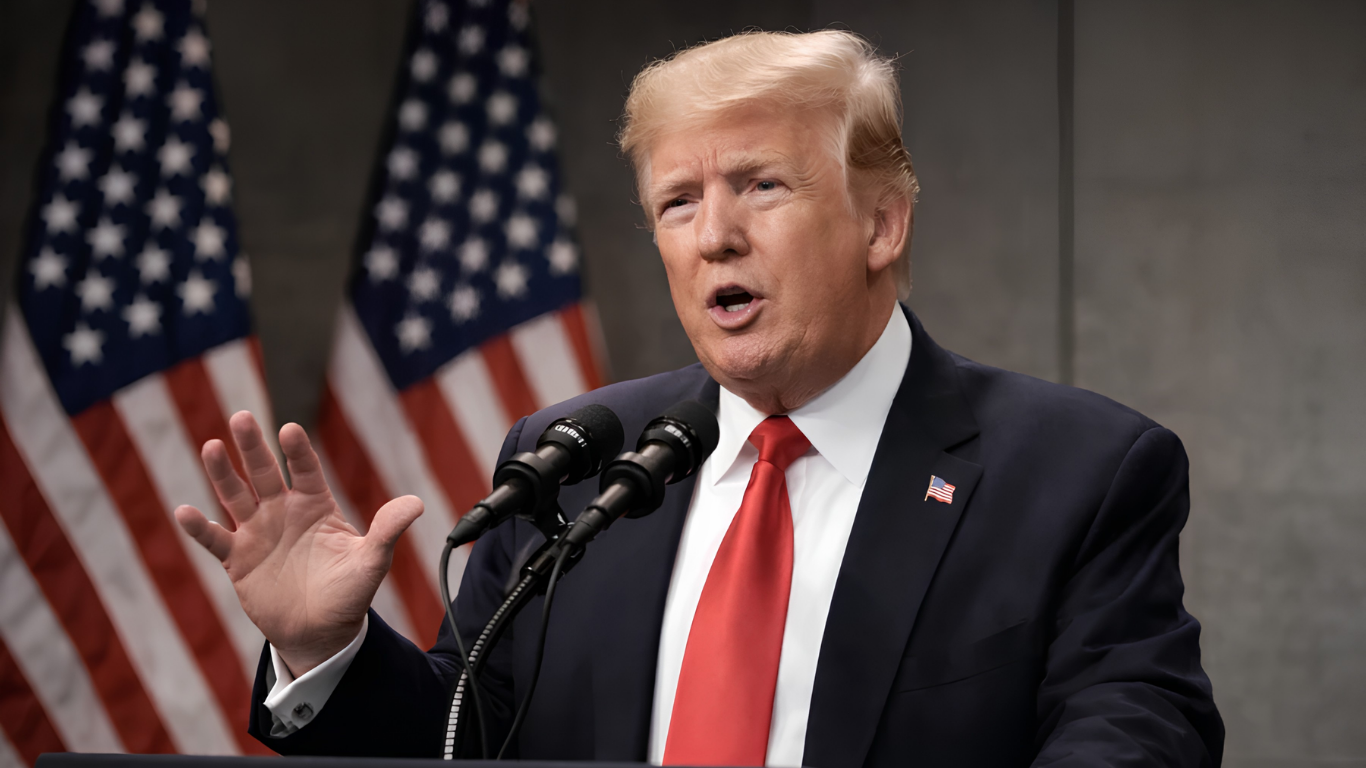
Tensions between the United States and Iran remain high despite renewed diplomatic efforts to reopen the Strait of Hormuz, with President Donald Trump warning that Tehran would face severe military consequences if it continued to obstruct one of the world’s most important oil shipping routes. His remarks came as negotiators sought to prevent the months long conflict from escalating further.
Trump said Iran would be “hit very hard” if it failed to cooperate in efforts to restore freedom of navigation through the strategic waterway. His comments followed reports that Iranian and Omani officials had agreed on the coordinates of a proposed shipping corridor, although key disagreements with Washington remain unresolved. Among the sticking points are inspection procedures for vessels and proposed transit fees, issues that negotiators have yet to settle.
Iran has insisted that any lasting agreement must include an end to the U.S. naval blockade of its ports and has warned Gulf states that any new American military strike on its territory would trigger retaliation against critical energy infrastructure across the region. Tehran has also intensified diplomatic outreach to countries including Saudi Arabia, Qatar, Turkey and Pakistan, urging them to support a negotiated settlement rather than further military action.
Despite the harsh rhetoric, diplomats say discussions have made modest progress. U.S. Secretary of State Marco Rubio confirmed that talks are moving forward but cautioned that no final agreement has been reached. Officials continue to describe the negotiations as delicate, with both sides attempting to avoid another collapse after previous ceasefire efforts quickly unravelled.
The Strait of Hormuz carries roughly a fifth of the world’s traded oil, making its reopening a priority for global energy markets. Shipping through the waterway has remained heavily disrupted since the conflict began, contributing to higher insurance costs, volatile oil prices and concerns over global energy security. Analysts say a comprehensive agreement could help stabilise markets, while any renewed fighting would risk further disruption to international trade.
Although both Washington and Tehran continue to exchange threats, diplomatic channels remain open. International observers say the coming days will be critical in determining whether negotiations can produce a durable agreement or whether the region will slide back toward military confrontation, with potentially significant consequences for global security and the world economy.