
Listeners:
Top listeners:
 play_arrow
 Cosoro Afrobeats UK's #1 Afrobeats Radio Station
 play_arrow
 Cosoro Pidgin Na we bi di #1 UK Pidgin Radio
 play_arrow
 Cosoro Evergreen UK's #1 Radio for Timeless African Sounds


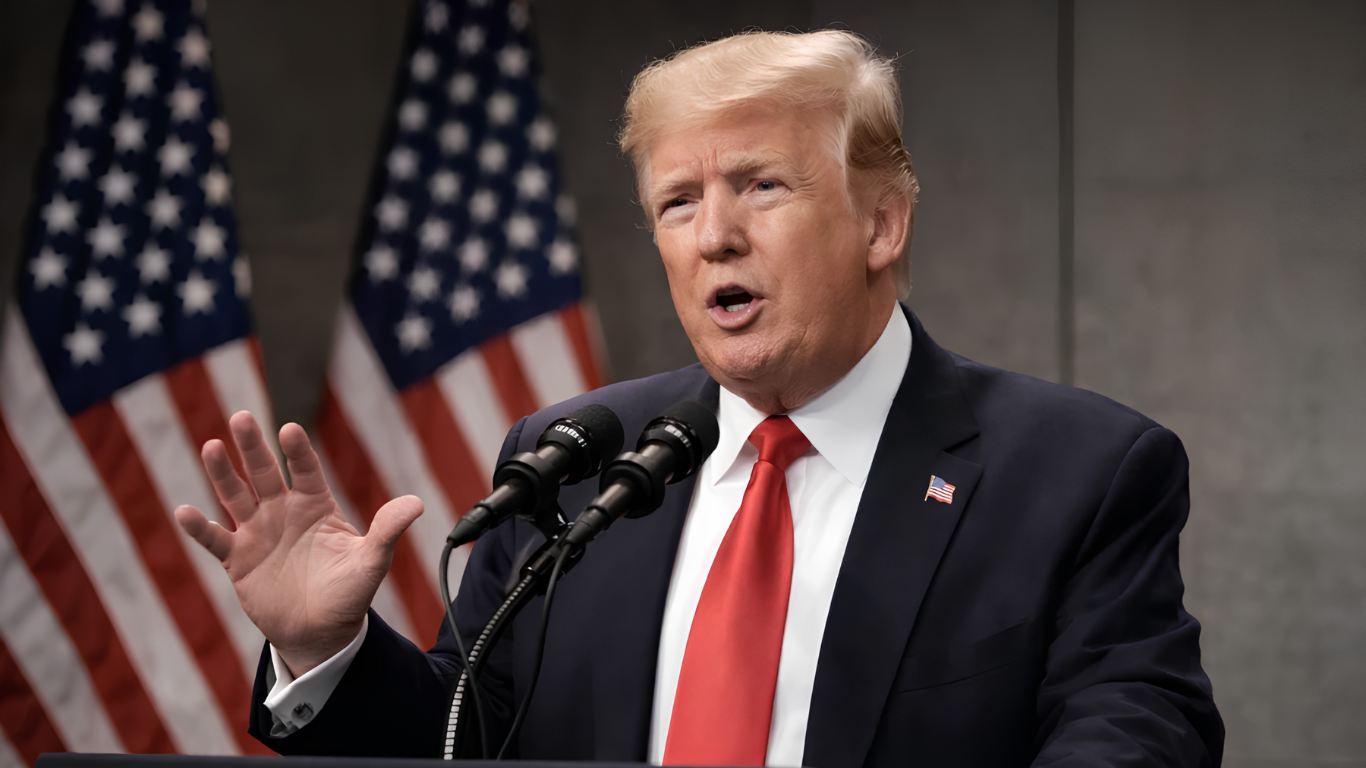
The United States has announced a new round of tariffs on imports from 60 of its biggest trading partners, including China, the United Kingdom, the European Union, Japan and Australia. The new import taxes, ranging from 10% to 12.5%, replace a temporary tariff that expired this week and affect almost all goods entering the US from those countries.
The Trump administration says the new tariffs are aimed at tackling forced labour in global supply chains. US Trade Representative Jamieson Greer said the measures are intended to protect workers and discourage products linked to forced labour from entering the American market.
However, many trade experts believe the tariffs are also part of President Donald Trump’s broader economic strategy. Trump has long argued that higher import taxes encourage companies to manufacture goods in the United States instead of overseas, helping create American jobs and reduce the country’s trade deficit.
The new policy follows a legal setback earlier this year. In February, the US Supreme Court ruled that many of Trump’s previous global tariffs had been imposed unlawfully because they relied on emergency presidential powers. The administration has now introduced the latest tariffs under a different legal framework centred on labour standards.
Several economists say the forced labour explanation may simply provide a legal basis for continuing Trump’s trade policies.
The tariffs have already drawn criticism from many of America’s trading partners.
The United Kingdom said British businesses would see no immediate change in the tariff rates they currently face, although business groups warned UK exporters could now be at a disadvantage compared with some European competitors. British whisky will remain exempt under an earlier trade agreement.
Brazil described the new tariffs as “unjustified,” while Japan said it regretted the decision. Australia’s trade minister also criticised the move, saying there was no reason for the additional duties.
China rejected the US accusations that forced labour exists within its supply chains, insisting the claims are politically motivated. However, several international human rights organisations have previously reported evidence of forced labour involving Uyghur and other Muslim minorities in China’s Xinjiang region.
Trade experts warn the new tariffs could increase costs for businesses importing goods into the United States. Some of those higher costs could eventually be passed on to consumers through higher prices.
The latest announcement also raises concerns that global trade tensions could increase once again. Since returning to office, Trump has made tariffs a central part of his economic agenda, using them to protect US industries and pressure trading partners on a range of issues beyond trade.